
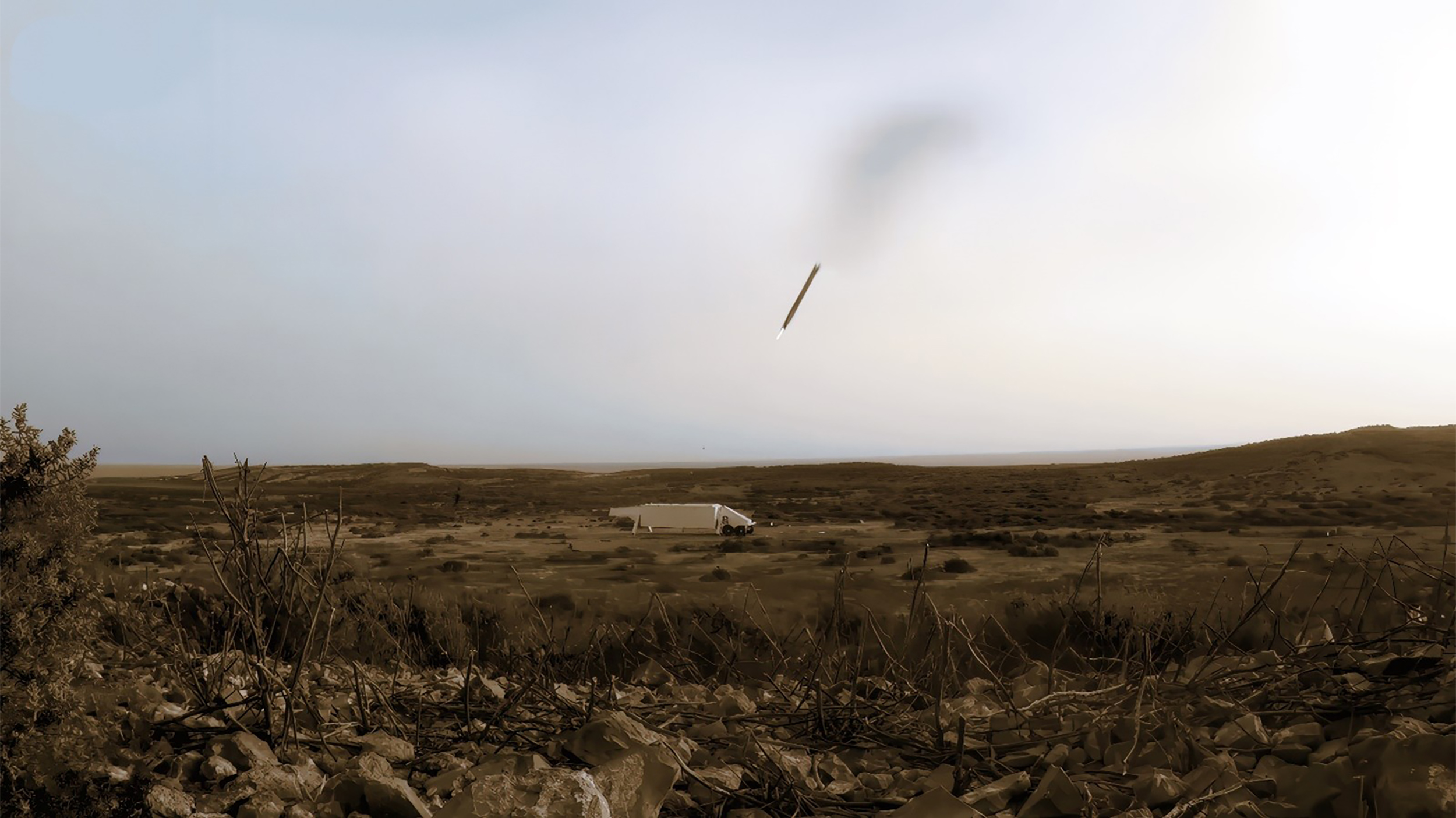
The United States has long assessed Iran’s missile arsenal as the central pillar of Tehran’s military deterrence and offensive strike capability. Accordingly, Washington has pursued a range of measures to mitigate this threat. These efforts have included the transfer of specialised anti-ballistic missile defence systems to Arab partners and the development of an integrated regional air and missile defence architecture under the authority of United States Central Command. One component of this initiative involved plans to establish a joint command and control framework capable of integrating Israeli radar capabilities with the radar networks of several Arab states.
Following Iran’s employment of missile forces during Operation True Promise-1, Iranian planners appear to have recalibrated their operational approach in Operation True Promise-2. Rather than conducting a combined strike package involving suicide drones, cruise missiles and ballistic missiles, Iran reportedly emphasised a heavier reliance on ballistic missile strikes. This shift resulted in a substantially higher number of ballistic missile launches compared with the earlier operation. The change in operational emphasis was illustrated by the targeting of two major Israeli air bases, Nevatim Airbase and Tel Nof Airbase.
In the aftermath of Operation True Promise-2, the United States sought to reinforce regional missile defence coverage. This reportedly included the attempted deployment of at least one Terminal High Altitude Area Defense (THAAD) battery to Israel. In parallel, US naval assets equipped with the Aegis Combat System—including destroyers of the Arleigh Burke class—were positioned along the eastern Mediterranean coast. These vessels possess the capability to intercept ballistic missiles using the Standard Missile series of interceptors.
As regional tensions escalated further, Washington moved to expand its air and missile defence presence across the Middle East. In addition to the systems already deployed in several Arab states, these efforts reportedly included the stationing of a new THAAD battery in Jordan, alongside the deployment of an additional MIM-104 Patriot battery at Ovda Airbase in southern Israel.
Prior to the initiation of US and Israeli military operations against Iran, Washington reportedly conducted extensive logistical and operational preparations. These activities included the large-scale redeployment of fighter squadrons and aerial refuelling tankers, as well as a significant increase in strategic airlift operations involving aircraft such as the Boeing C-17 Globemaster III and the Lockheed C-5 Galaxy. According to available information in the days leading up to the conflict, the US Air Force conducted more than 310 transport sorties from bases within the United States to European staging locations, including Ramstein Air Base and RAF Mildenhall. From these hubs, aircraft subsequently continued onward to operational bases across the Middle East, delivering personnel, equipment and logistical supplies.
Particularly noteworthy are the origin bases of many of these flights, which reportedly included Fort Hood and Fort Bliss. Fort Hood hosts the 69th Air Defense Artillery Brigade, which operates Patriot air defence batteries. Meanwhile, Fort Bliss serves as the headquarters of the 32nd Army Air and Missile Defense Command, which oversees multiple Patriot batteries as well as several THAAD anti-ballistic missile batteries. The involvement of these installations suggests that the United States was transferring elements of its Patriot and THAAD missile defence architecture to the Middle East for forward deployment.
Among the regional destinations for these transport flights, Jordan—alongside states such as Saudi Arabia, Qatar and United Arab Emirates—appears to have served as a major logistical hub. In particular, Muwaffaq Salti Air Base reportedly received the highest volume of US transport traffic, with approximately 150 to 170 sorties conducted to the facility in the period immediately preceding the conflict.
Although the scale of these transport operations and their points of origin had already suggested a broader effort to reinforce regional missile defences, satellite imagery released on 20 February provided more concrete evidence. The imagery, captured over the southern sector of Muwaffaq Salti Air Base, indicated that the United States had deployed a complete THAAD battery to Jordan. The deployment reportedly included six launch units, each equipped with eight interceptor launch tubes, an AN/TPY-2 detection and tracking radar, power-generation equipment required to operate the radar system, and a range of additional vehicles and support elements associated with the THAAD battery.
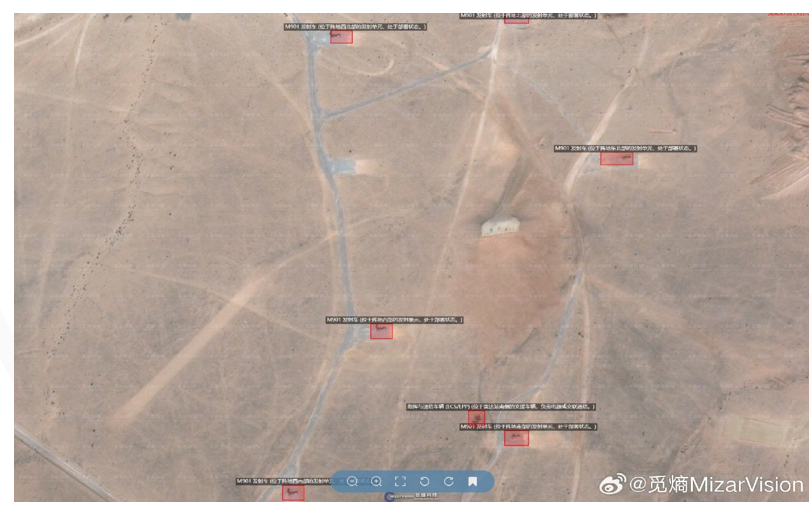
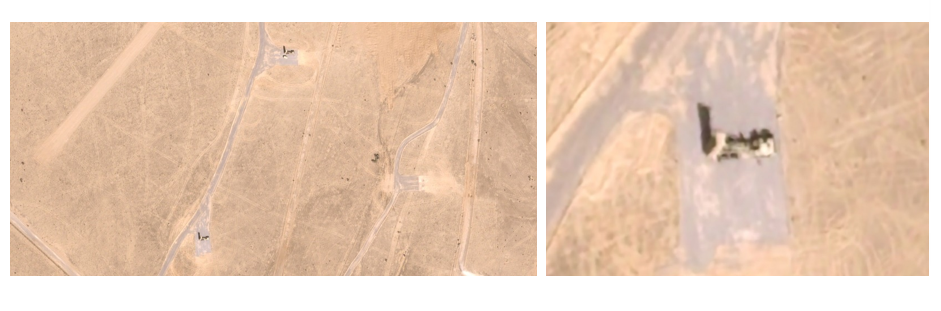
The THAAD battery is designed to counter ballistic missile threats by intercepting incoming targets during the terminal phase of their trajectory. The system is capable of detecting and engaging ballistic missiles at ranges of up to approximately 200 kilometres, with interception occurring at altitudes between roughly 100 and 150 kilometres, typically outside the Earth’s atmosphere. Engagement is carried out through the launch of Talon interceptor missiles, which employ hit-to-kill kinetic interception to neutralise the target.
The United States remains the primary operator of the THAAD system and currently maintains an inventory of seven operational batteries. Beyond the United States, the United Arab Emirates became the first international customer of the system, procuring two THAAD batteries in 2008. Subsequently, Saudi Arabia emerged as the second foreign purchaser, signing an agreement in 2017 for the acquisition of seven THAAD batteries.
In the UAE, the system has reached full operational status and is deployed at two primary locations: northern Abu Dhabi and the strategic coastal area of Al Ruwais. In Saudi Arabia, two out of the seven procured batteries have so far been delivered and deployed in operational configuration. These systems are reportedly positioned in two locations: one southeast of Riyadh and another south of Jeddah, forming part of the kingdom’s expanding ballistic missile defence architecture.
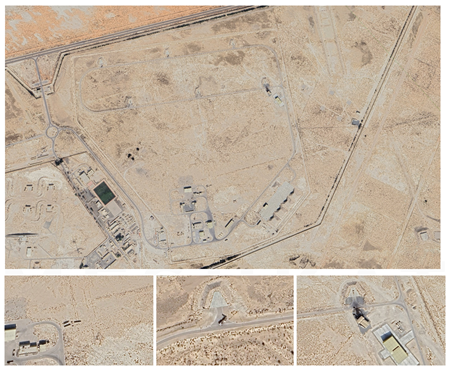
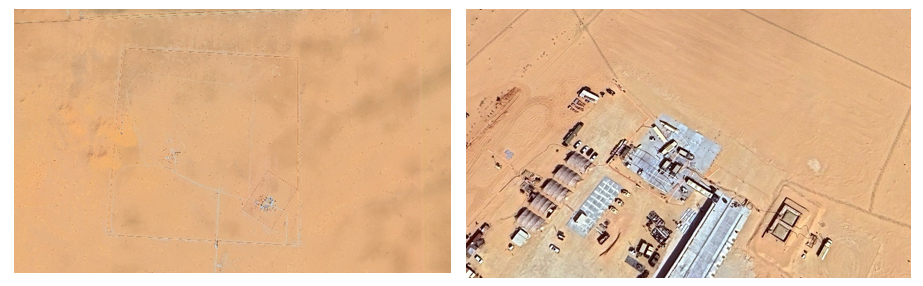
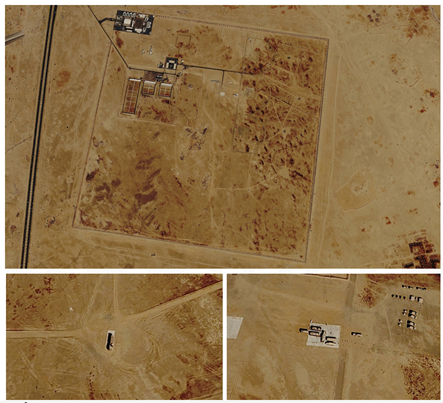
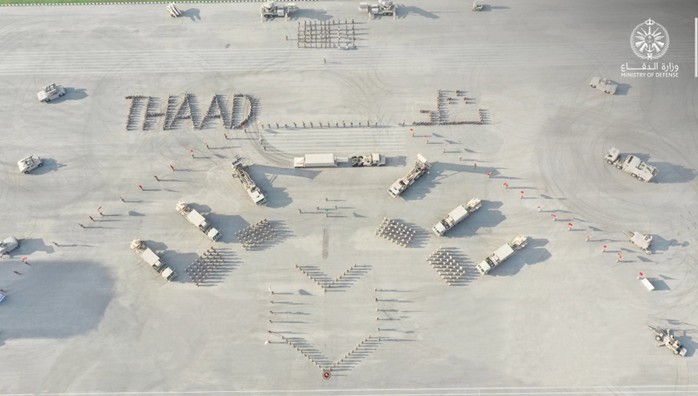
In addition to the deployment of layered air and missile defence systems across regional partner states, the United States also relies extensively on early-warning radar infrastructure to detect incoming missile threats and provide timely alerts to forward-deployed forces. These radar systems play a critical role in the missile defence architecture by enabling the early detection of launches, issuing warning notifications to bases and potential target areas, facilitating the rapid evacuation of personnel and sensitive equipment, and activating anti-ballistic missile defence systems. Such early-warning capability ensures that interceptor systems can engage incoming ballistic threats within the limited “golden window” of interception during the terminal phase of flight.
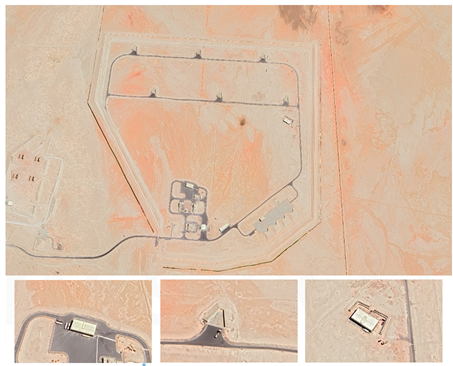
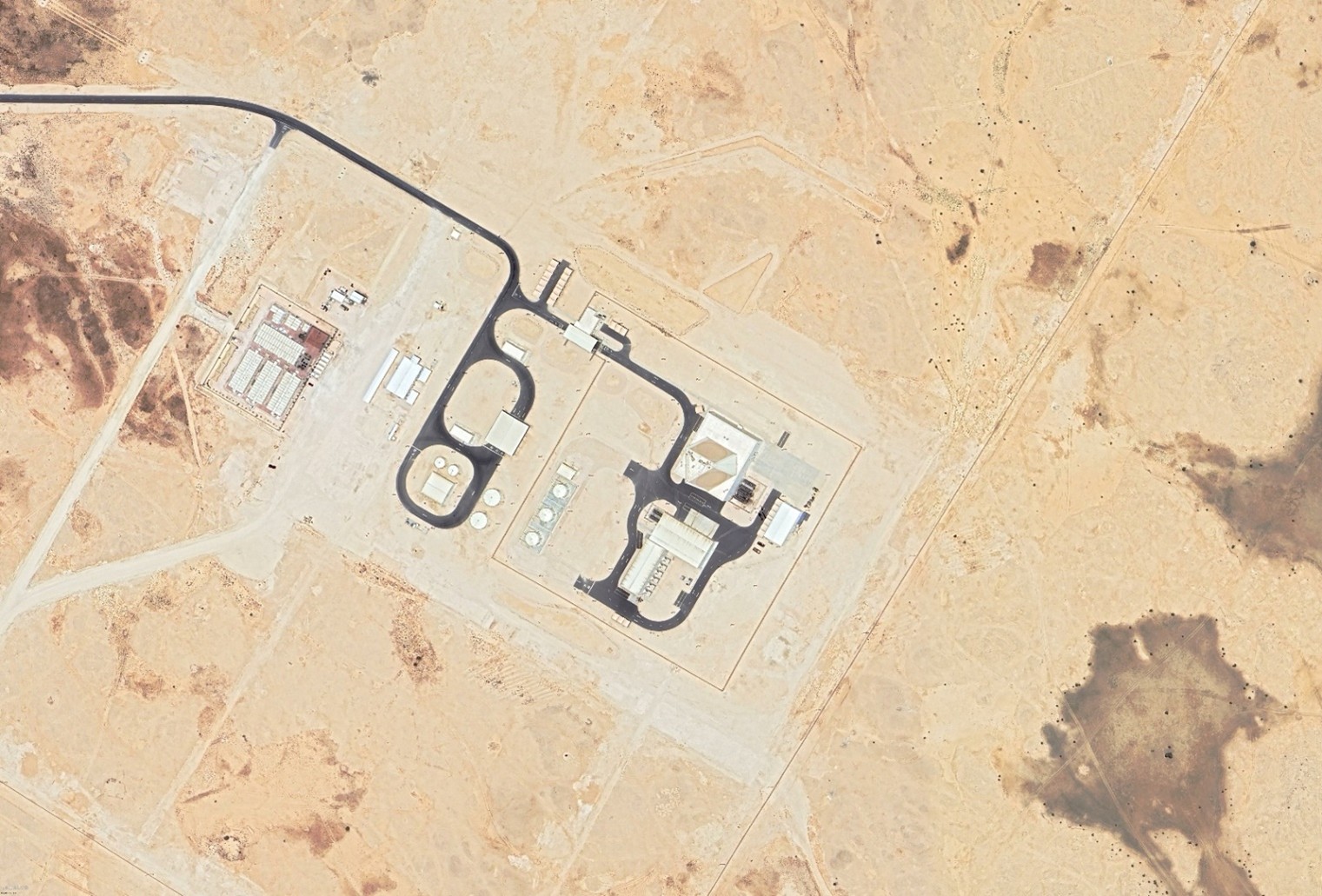
Among the most advanced assets within this early-warning architecture is the AN/FPS-132 early-warning radar. In 2013, Qatar purchased this system from the United States in a deal valued at approximately $1.1 billion, which also included associated communications equipment, encryption systems and additional support infrastructure. Construction and installation of the radar site were ultimately completed in 2019, when the facility became fully operational in the Wadi al-Dehool region of Qatar. The AN/FPS-132 radar installation consists of three fixed radar arrays, each providing 120-degree coverage, collectively enabling a 360-degree surveillance envelope around the site. Operating in the UHF frequency band, the system is designed for long-range strategic surveillance, allowing it to detect and track a wide range of objects. These include ballistic missiles, intercontinental ballistic missiles (ICBMs), space launch vehicles, satellites and other space objects at distances reaching approximately 5,000 kilometres.
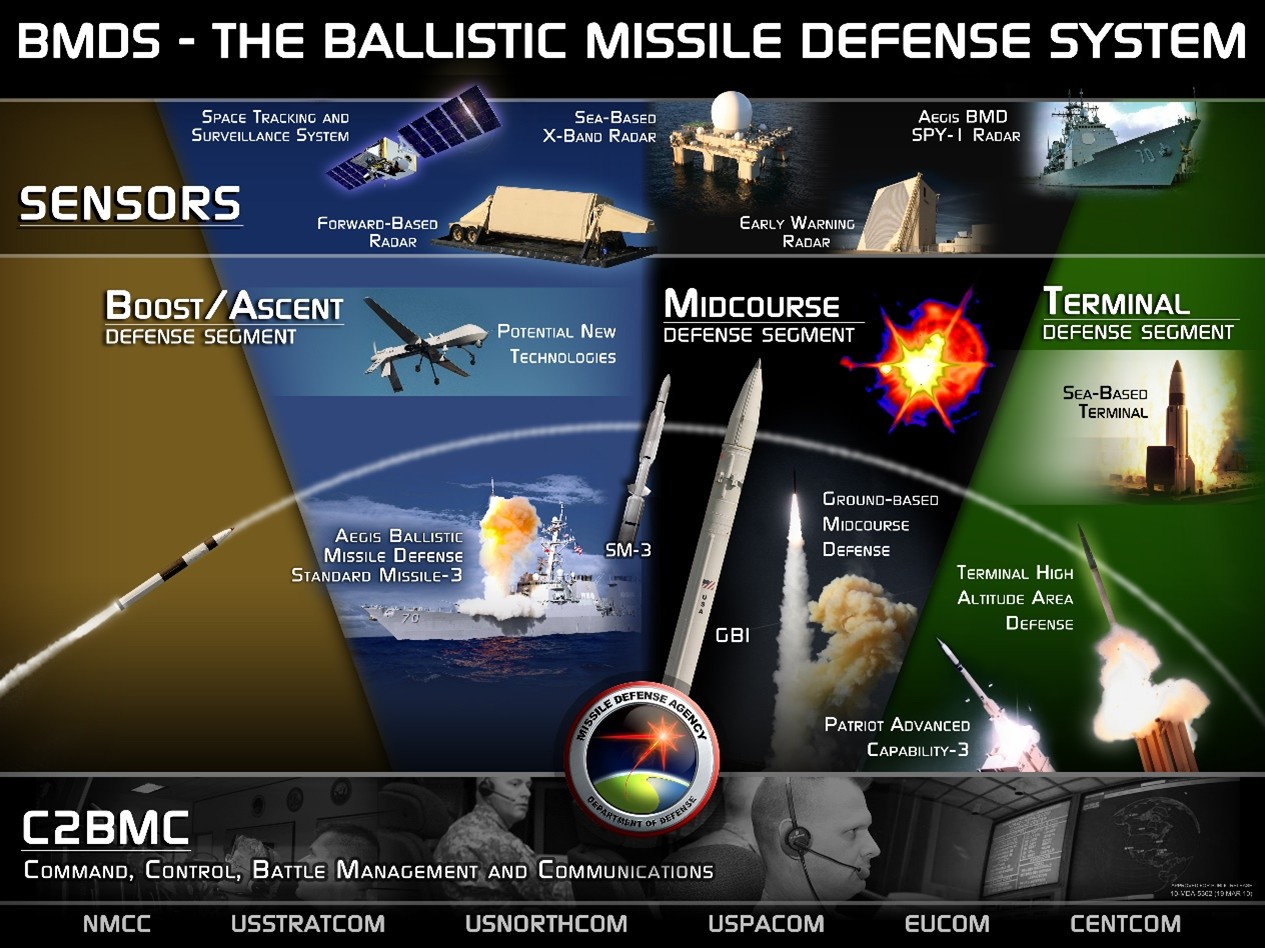
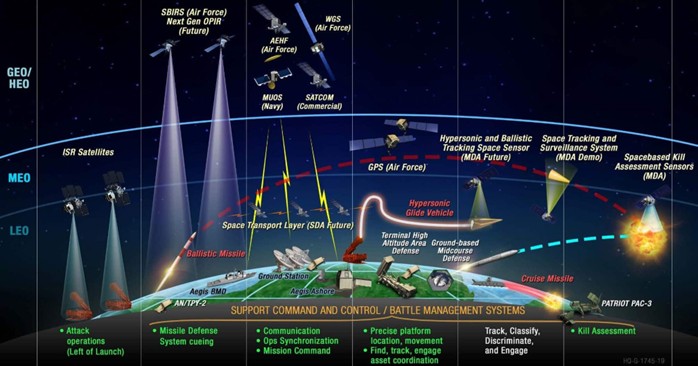
The United States Missile Early-warning Network constitutes a multi-layered and integrated architecture that combines several complementary detection and tracking systems. This framework incorporates infrared reconnaissance satellites, long-range ground-based early-warning radars, land- and sea-based radar and missile defence systems, as well as dedicated command and control centres. The primary objective of this network is the rapid detection and assessment of ballistic missile launches directed toward the United States. Once a launch is detected, the system is designed to track the missile, determine its trajectory and flight profile, estimate the potential impact point, and promptly notify military command authorities so that appropriate defensive measures or retaliatory responses can be initiated.
Operational oversight of this early-warning architecture is primarily conducted by several key US military organisations, including the United States Space Force, United States Strategic Command, North American Aerospace Defense Command and the Missile Defense Agency. Within this command structure, the system can also provide early-warning information to allied or partner states. Under certain operational circumstances, such capabilities may also be used to issue alerts to Israel regarding potential missile threats originating from Iran, enabling Israeli defence systems to prepare for possible ballistic missile attacks.
Therefore, targeting and disabling key nodes within this architecture could significantly degrade the effectiveness of the broader missile early-warning network and reduce the reaction time available to allied defence systems. In fact, strikes against forward-deployed ground-based radar installations located in close proximity to Iran could disrupt the early detection chain that provides warning data to regional partners, including Israel.
Among the most important components of this forward sensor layer are long-range ground-based early-warning radars positioned in countries surrounding Iran. These include systems such as the AN/FPS-132 early-warning radar deployed in Qatar, as well as the AN/TPY-2 radar associated with the THAAD deployed in several neighbouring states.
Once launch detection is achieved and the collected data is verified, the system proceeds to determine the approximate flight trajectory and estimate the likely impact area of the incoming ballistic missile. The processed tracking data is then transmitted to various anti-ballistic missile defence systems positioned along the missile’s projected flight path. This dissemination of information enables those systems to prepare and, if feasible, initiate interception procedures during either the midcourse phase or the terminal phase of the missile’s trajectory.
A number of missile defence systems can operate within the broader framework of the United States early-warning network, relying on the sensor and tracking data provided by this architecture to intercept incoming ballistic threats. Among these systems is the MIM-104 Patriot, which is capable of engaging ballistic targets during the terminal phase of flight within the atmosphere using the PAC-3 interceptor missiles. Another key component is the THAAD, designed to intercept ballistic missiles in the terminal phase outside the atmosphere through the use of Talon interceptor missiles.
Naval-based interception capabilities are provided by the Aegis Combat System. This system can engage incoming threats during the terminal phase within the atmosphere using Standard Missile 2 and Standard Missile 3 defensive missiles, while the SM-3 interceptor can also be employed during the midcourse phase outside the atmosphere. In addition, the Ground‑Based Midcourse Defense system was specifically developed to intercept long-range ballistic missile attacks directed toward the United States. Collectively, these systems can function as layered defensive elements under the umbrella of the US missile early-warning and tracking network.
Because the information generated by this early-warning architecture can also be shared with allied defence systems, several Israeli missile defence platforms may similarly operate within its broader detection and tracking framework. These include the Arrow 2 interceptor, designed to engage ballistic targets within the atmosphere; the Arrow 3 system, optimised for exo-atmospheric interception; and the newer Arrow 4, intended to engage ballistic targets both inside and outside the atmosphere. In addition, the David's Sling air defence system can also form part of the operational defensive architecture that benefits from early-warning data generated by this network.
Within the US missile early-warning architecture, the initial detection of ballistic missile launches is primarily conducted through a network of infrared reconnaissance satellites. This space-based system—known as the Space-Based Infrared System—operates in both geosynchronous (GEO) and highly elliptical (HEO) orbits. The satellites are equipped with infrared (IR) sensors designed to detect the intense thermal signature produced by ballistic missile propulsion immediately after launch.
At this stage, once a ballistic missile launch occurs, these reconnaissance satellites generate the first alert within the US early-warning network. The initial data transmitted typically includes information such as the approximate launch location, launch time, and a preliminary assessment of the missile category—for example, whether the launch involves a short-range, intermediate-range or intercontinental ballistic missile. Following this initial detection, the data provided by the satellite network is further analysed and correlated with observations from ground-based and sea-based early-warning sensors.
It is at this stage that the importance of long-range early-warning radars becomes particularly evident. This radar network—comprising systems such as the AN/FPS-132 early-warning radar, the AN/FPS-123 radar, and the AN/TPY-2 radar associated with the THAAD—is responsible for calculating a more precise flight trajectory once the satellite-derived data has been verified. Using radar tracking data, these systems determine a refined flight profile for the launched missile and estimate its probable impact area. This information is subsequently transmitted back to the broader early-warning network for operational assessment.
Based on these calculations, authorities can decide whether to initiate evacuation procedures in the predicted impact area. The response may vary depending on whether the projected target location lies within a civilian population centre or a military installation, but in either case, the goal is to relocate personnel and sensitive equipment as rapidly as possible before impact.
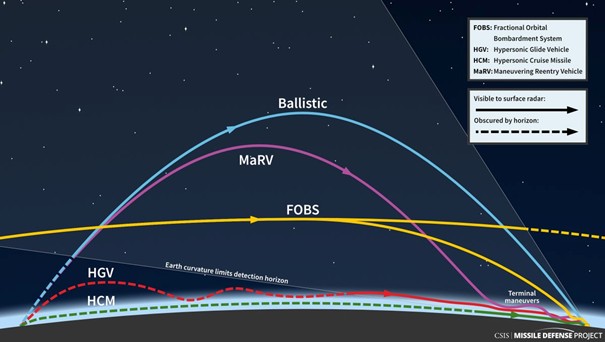
However, this process becomes significantly more complex when dealing with hypersonic glide vehicles (HGVs). Unlike traditional ballistic warheads, HGVs are capable of manoeuvring at relatively low altitudes during the midcourse and terminal phases of flight. Such manoeuvrability complicates the task of estimating the missile’s trajectory and determining its final impact point, potentially degrading the accuracy of predictive models and, in worst-case scenarios, disrupting the early-warning and interception process altogether.
At present, the core network of US early-warning radars is distributed across multiple strategic locations worldwide. These include installations in Alaska, Greenland, the United Kingdom, California, Japan, South Korea and Qatar. In addition to these fixed installations, the network also incorporates sea-based radar platforms, including floating X-band radar systems positioned primarily in the Atlantic Ocean to expand long-range detection coverage.
Once the detection, verification and trajectory estimation stages are completed, the processed data is transmitted to key command and operational centres, including the Missile Defense Agency, United States Strategic Command, and the North American Aerospace Defense Command.
Following the outbreak of the US–Israeli conflict with Iran, anti-ballistic missile defence systems and early-warning radar installations emerged as critical strategic targets from Iran’s perspective. Disrupting or disabling these assets—particularly those deployed across the Middle East—could significantly reduce the regional early-warning capability of the United States, shorten the reaction time available to missile defence systems, and thereby increase the probability that ballistic missiles could penetrate defensive layers and reach their intended targets.
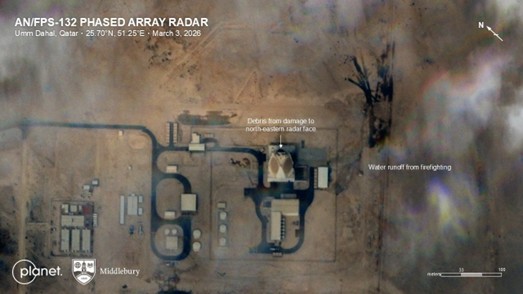
IRGC’s first step: Attacking an AN/FPS-132 early-warning radar in Qatar
Iran’s first reported action against US radar and missile defence infrastructure in the region occurred on the opening day of the conflict. On the afternoon of Saturday, 28 February 2026, the public relations office of the Islamic Revolutionary Guard Corps announced that Iranian forces had conducted a missile strike targeting the AN/FPS-132 early-warning radar installation located in Qatar.
According to satellite imagery released on 3 March, the strike reportedly focused on the northern sector of the radar installation. This section of the facility is associated with the radar array responsible for monitoring the northern coverage sector, including airspace in the direction of Iran.
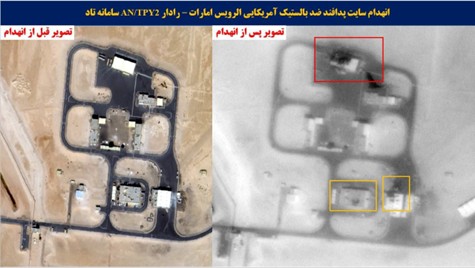
IRGC’s second step: Attacking an AN/TPY-2 radar at the THAAD defence site in Al Ruwais and Abu Dhabi, UAE
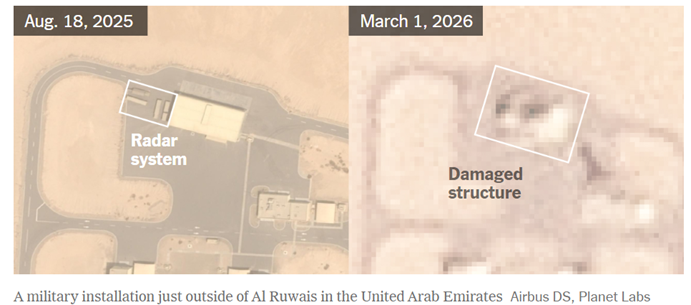
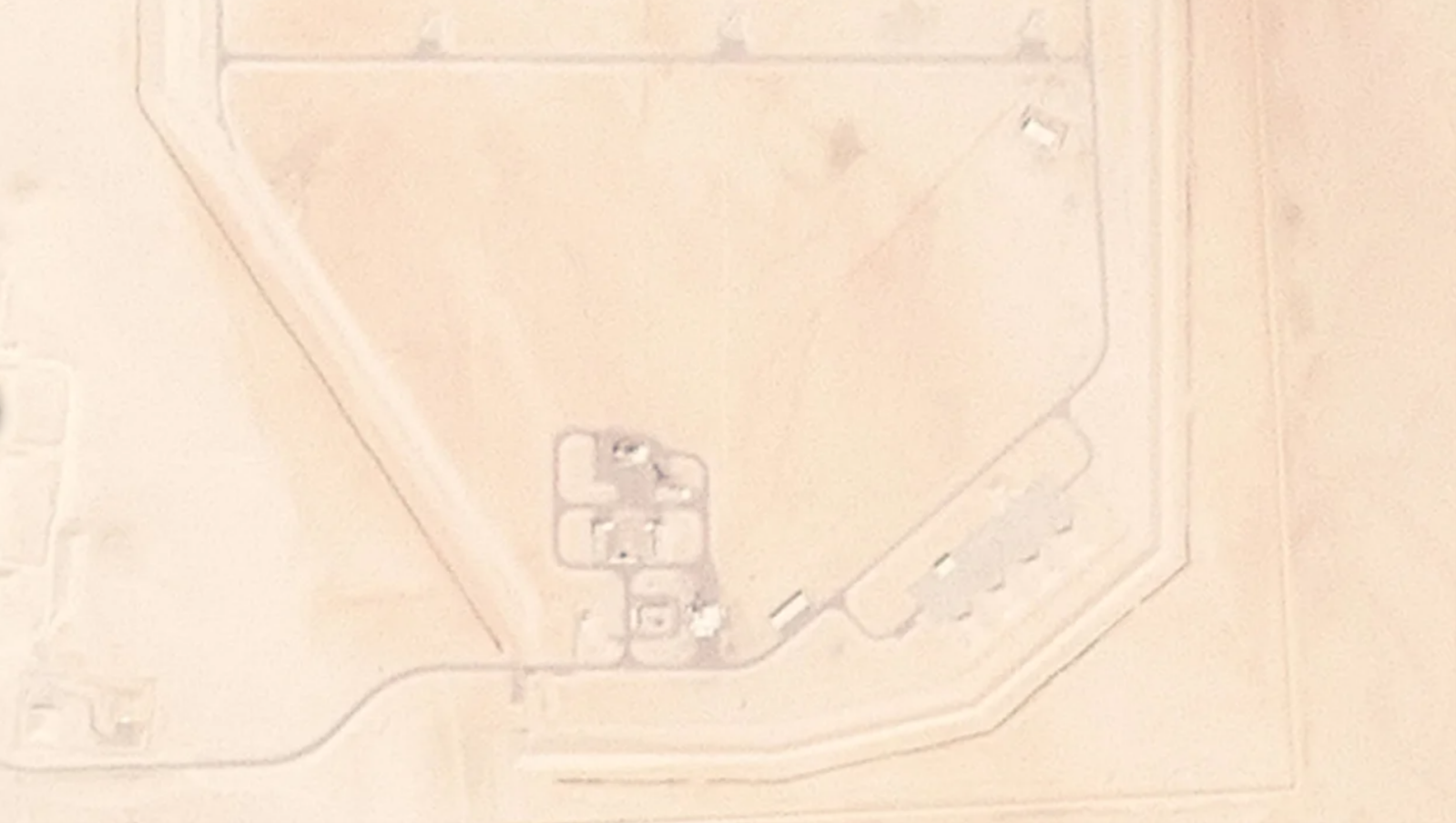
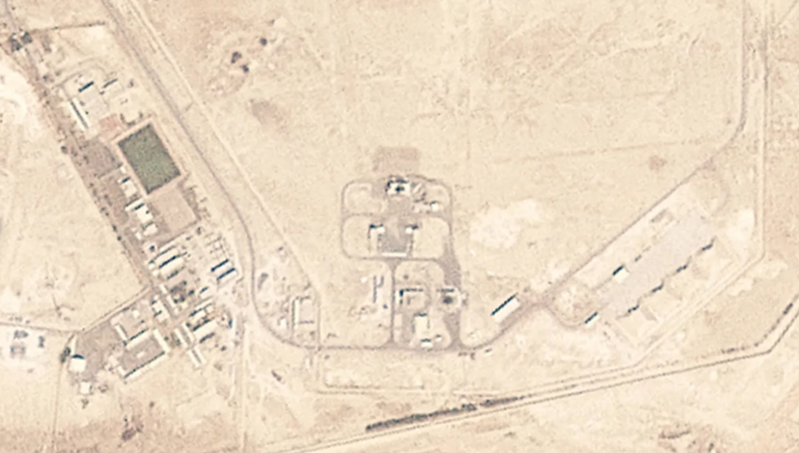
Iran’s second operational step within this strategy involved targeting US-aligned anti-ballistic missile defence infrastructure across the region. In the initial phase of these strikes, Iranian forces reportedly targeted the launch facilities associated with the THAAD battery deployed in the UAE, specifically at defence sites located in Al Ruwais and Abu Dhabi.
According to satellite imagery released by the Islamic Revolutionary Guard Corps (IRGC), the strikes focused on the AN/TPY-2 detection and tracking radar associated with the THAAD system at both locations, as well as related support infrastructure at those sites. The AN/TPY-2 radar serves as the primary sensor responsible for detecting and tracking ballistic targets and guiding interceptor engagements within the THAAD architecture.
In addition, The New York Times reported on 3 March, in an article titled “Iran Strikes U.S. Military Communication Infrastructure in Mideast,” that the AN/TPY-2 radar at one of these defence installations had been destroyed, citing satellite imagery of the site as supporting evidence. (1)
IRGC's third step: Attacking the AN/TPY-2 radar at the THAAD defence site in Riyadh, Saudi Arabia
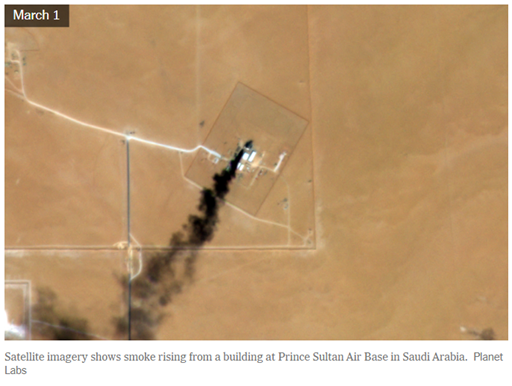
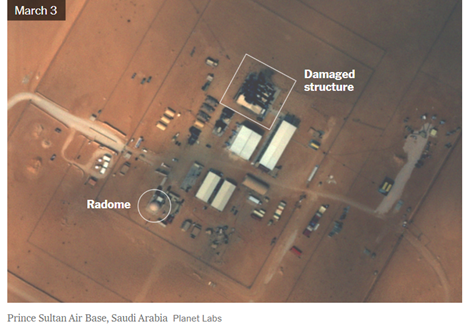
The next step in the IRGC’s strategy aimed at degrading US-aligned radar and anti-ballistic missile defence infrastructure in the region involved an attack on a THAAD site located southeast of Riyadh, near Prince Sultan Air Base in Saudi Arabia.
According to a statement issued by the IRGC’s public relations office on Tuesday, 3 March, Iranian forces conducted what was described as a second operation targeting THAAD systems in West Asia, focusing on a THAAD battery deployed in the Riyadh area.
Subsequent satellite imagery of the defence installation indicated that the strike followed a pattern similar to the earlier attack attributed to Iran against the THAAD site at Al Ruwais in the UAE. The imagery suggested that the attack concentrated on the location of the AN/TPY-2 radar—the primary detection and tracking radar of the THAAD system—as well as associated support and operational infrastructure at the site.
IRGC's fourth step: Attacking the AN/TPY-2 radar of the THAAD defence site located at the Muwaffaq Salti Air Base in Jordan
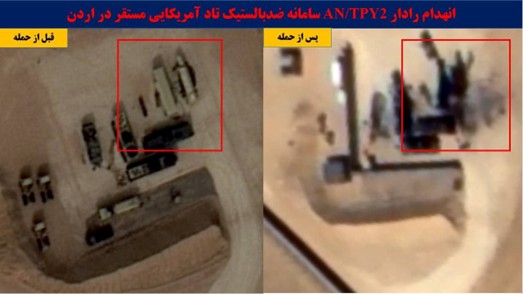
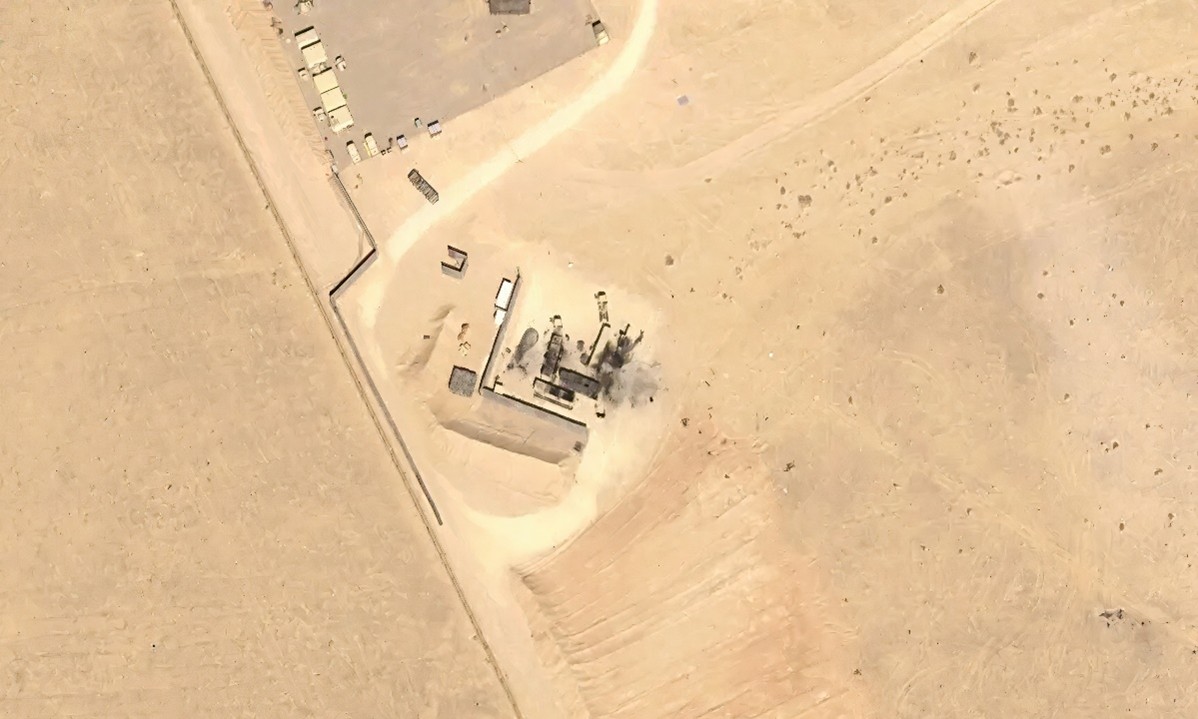
On Wednesday, 4 March, newly released satellite imagery of the recently deployed THAAD site in the southern sector of Muwaffaq Salti Air Base in Jordan suggested that the IRGC had likely targeted the AN/TPY-2 radar associated with the installation. This action appears to represent the next step in Iran’s broader effort to degrade or blind US anti-ballistic missile radar coverage across the West Asia region.
|
|
The imagery indicates that Iranian forces were able to identify the location of the defence site shortly after its deployment in Jordan, enabling them to conduct a strike aimed at the probable radar position within the THAAD battery during the early stages of the conflict. This suggests a capability to rapidly detect newly deployed missile defence infrastructure and prioritise it as a high-value target within the regional missile defence architecture.
|
|
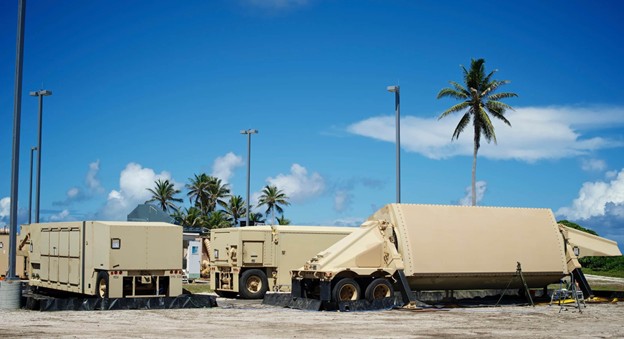
A key issue in assessing the targeting of THAAD-associated radars concerns the relatively limited number of AN/TPY-2 radar units produced to date. Based on available information, at least 16 AN/TPY-2 detection and tracking radars have reportedly been manufactured for operational deployment within the THAAD architecture. Of these, 13 units are allocated to the US Army for use in its missile defence forces, supporting 7 to 8 operational THAAD batteries along with a number of reserve radar systems. In addition, two radars were produced for the two THAAD batteries acquired by the UAE, while seven radars were intended for the seven THAAD batteries purchased by Saudi Arabia. Satellite imagery indicates that two of the seven radars acquired by Saudi Arabia have so far been delivered and deployed within the country.
Technically, the AN/TPY-2 radar is a highly sophisticated active phased-array radar comprising approximately 25,344 individual transmit/receive elements and operating in the X-band frequency range. This radar is designed to detect, track and discriminate ballistic missile threats at distances and altitudes ranging roughly from 1,000 to 3,000 kilometres, providing the sensor backbone required for THAAD interception operations.
According to 2025 budget documentation released by the Missile Defense Agency, the estimated cost of producing a single AN/TPY-2 radar for the THAAD system can reach up to $500 million. This figure reflects both the technological sophistication of the radar and the complexity involved in its manufacturing process. Consequently, the destruction or disabling of such systems during a conflict could impose significant operational and financial costs, potentially degrading the effectiveness of THAAD deployments within the broader US missile defence architecture.
An important point to consider is that, although the radar and missile defence systems in question were formally purchased by Arab states from the United States and deployed within their territories, the strategic purpose of these systems extends beyond the immediate security requirements of the host countries. In practice, these assets appear to have been positioned primarily to support the broader security architecture of the United States, while also contributing to the defence posture of Israel within the region.
Despite the substantial financial resources expended by several Gulf states on the acquisition and operation of these radar and missile defence systems, their deployment also supports broader US strategic objectives in the region. These include protecting US forces and military installations, safeguarding major oil and energy transportation routes, and strengthening the regional missile defence architecture.
From this perspective, the geographic placement of these systems reflects a strategic calculus in which Gulf states play an important role within a broader US-led missile defence network. In the event of a regional conflict—such as the confrontation described here—this positioning could increase the risk that their territory and critical infrastructure may be exposed to retaliatory strikes due to their integration within the wider defence architecture.”
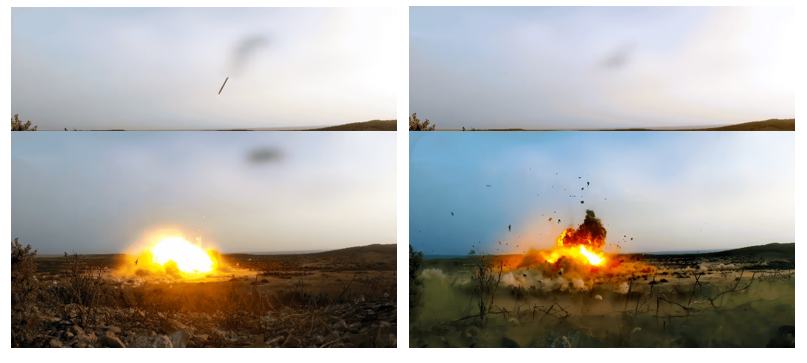
Indeed, based on the imagery and information that have emerged during the conflict, several of these radar and missile defence installations appear to have been directly targeted during coordinated Iranian strikes, reportedly involving a combination of ballistic missiles and loitering munitions. The attacks suggest that these sites—despite their advanced defensive capabilities—became high-priority targets within Iran’s broader operational strategy aimed at degrading the regional missile defence network.
Devon Lum, Haley Willis and Riley Mellen, “Iran Strikes U.S. Military Communication Infrastructure in Mideast”, The New York Times, 3 March 2026, https://tinyurl.com/mv396unx (accessed 9 March 2026).