
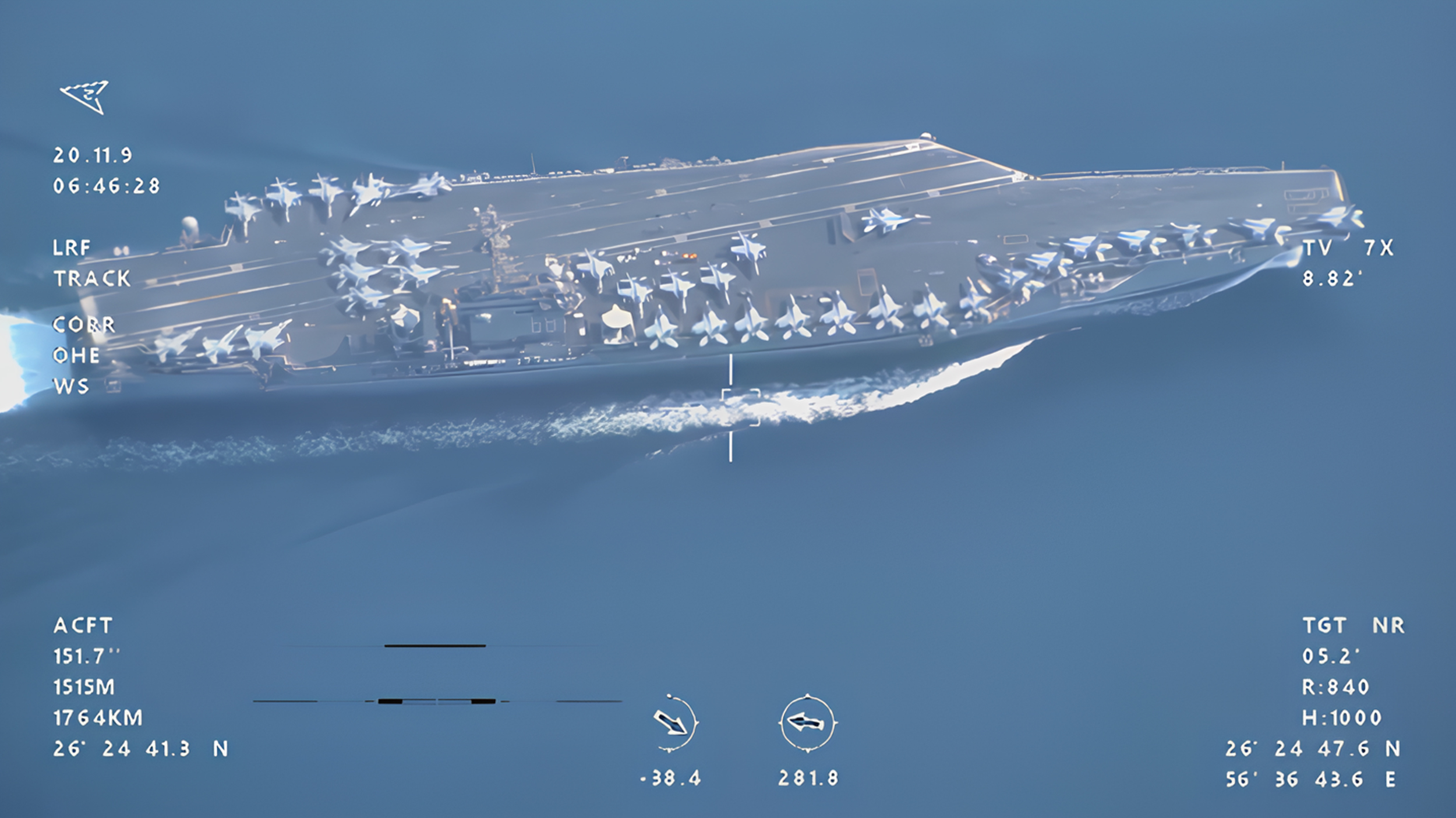
On 28 February 2026, following a large-scale assault by the United States and Israel, the Iranian Armed Forces issued radio warnings prohibiting all navigation through the Strait of Hormuz. This restriction remains in effect, particularly targeting non-Iranian tankers. While the strategic significance of the Strait of Hormuz as a critical global energy transit chokepoint is well-known, this single waterway has the potential to impact the global economy far more profoundly than expected. And that is a lever of influence Tehran fully understands—the Strait is the butterfly capable of sparking a tornado as far away as Texas. This paper aims to briefly examine the global importance of the Strait of Hormuz, assess potential US measures, and evaluate Iran’s likely responses.
A Quick Overview: The Strait of Hormuz’s Role in the Global Energy Market and Macro Economy:
Since before the conflict began, Tehran has warned that any military adventurism in the region could have irreversible consequences for the global economy, placing direct responsibility on the United States. To understand this fully, it is essential to grasp the exact role this waterway plays in the global economic cycle.
The economic importance of the Strait of Hormuz stems from its role as the primary—and in many cases the sole—export route for the world’s largest oil and gas fields. Countries such as Iraq, Kuwait and Qatar depend on this strait to deliver hydrocarbons to international markets, as does a substantial portion of oil exports from Saudi Arabia and the United Arab Emirates. In 2025, roughly 15 million barrels per day of crude oil and 5 million barrels per day of refined petroleum products were exported through this route.
Estimates indicate that around 80 to 89 percent of the crude oil and condensates transiting the Strait of Hormuz are shipped to Asian refineries. China and India alone receive more than 40 percent of this volume. Countries such as Japan and South Korea also show high dependence on Gulf energy, sourcing approximately 95 and 75 percent of their crude oil needs from the region respectively. Even the United States, despite significant increases in domestic production over recent years, continues to rely on the Strait for about 7 percent of its oil consumption.
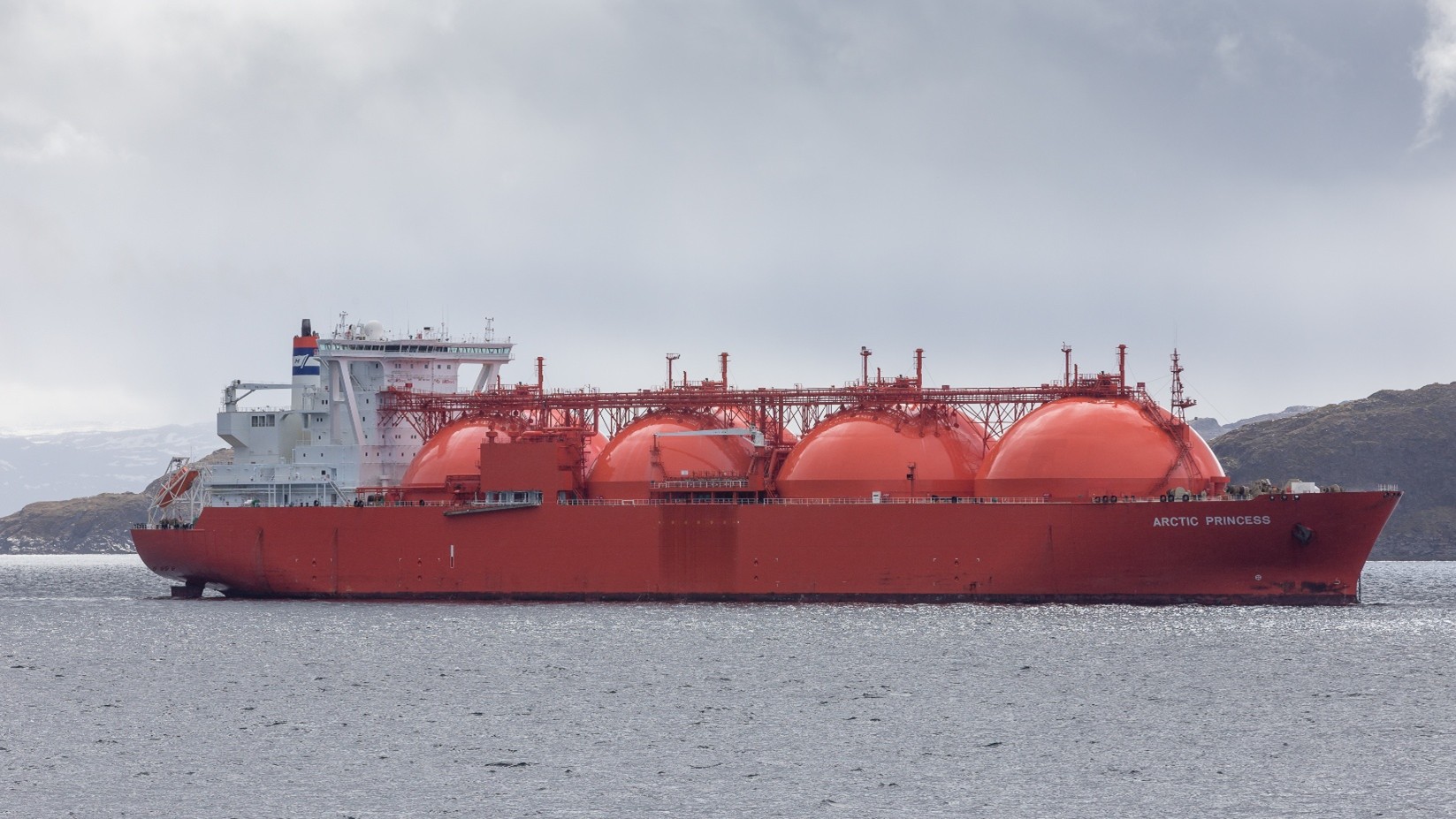
However, the strait’s strategic importance is not limited to oil. It is also one of the most critical arteries for liquified natural gas (LNG) trade. In 2025, over 112 billion cubic metres of LNG—equivalent to roughly 20 percent of global LNG trade—were transported via this passage. Qatar, the world’s second-largest LNG exporter, depends entirely on this route for all its maritime shipments. Therefore, any disruption in LNG flows could have consequences even more severe than those affecting oil, as large-scale alternative infrastructure for natural gas transport is far more limited.
Beyond energy markets, and the indirect impact of rising fuel prices on goods and services—especially in Western Europe and North America—the Strait of Hormuz plays a decisive role in the global macroeconomic cycle. Certain industrial metal markets are directly or indirectly affected. For example, aluminium production in Gulf countries reached around 6.3 million tons in 2024, accounting for 8 to 9 percent of global output and nearly 23 percent of global supply outside China. With the aluminium market facing a structural deficit of approximately 600,000 tons, any disruption could trigger sharp price spikes. On the London Metal Exchange (LME), aluminium prices have quickly exceeded $3,400 per ton, with potential surges to $3,600–4,000.
Sulphur—sometimes called the “invisible commodity of the global economy”—provides another example of strategic dependency. Due to extensive natural gas sweetening and sour crude refining operations, the Gulf region produces roughly 44 percent of global sulphur. Any disruption could push Middle Eastern Free on Board (FOB) prices above $600 per ton, rapidly impacting the sulphuric acid market.
The largest consumer of sulphur worldwide is the chemical fertiliser industry, accounting for 60–70 percent of global demand. If supply disruptions continue for more than two months, production of strategic crops such as corn, soybeans and wheat would be directly affected.
At a deeper level, the link between Middle Eastern sulphur and critical metal production is particularly significant, as modern extraction processes for metals such as nickel, cobalt and copper rely heavily on sulfuric acid. Nickel production in Indonesia and copper in Central Africa, for instance, are dependent on this material.
The ripple effects extend even to high-tech industries. The global semiconductor and electronics sectors require substantial quantities of high-purity sulphuric acid for microchip production and silicon wafer processing. Any shortage would increase manufacturing costs in major East Asian tech hubs—including Taiwan, South Korea and China. Furthermore, many semiconductor manufacturers rely on Qatari LNG for stable electricity supply. Taiwan, for example, sources roughly 30 percent of its LNG through the Strait of Hormuz. In such a scenario, even a limited disruption could affect companies like TSMC, which produces nearly 90 percent of the world’s most advanced chips and consumes approximately 9 percent of Taiwan’s electricity.
It is now evident that a disruption in the Strait of Hormuz represents a practical illustration of chaos theory—and chaos cannot be countered with chaos. As Gandhi famously said, “An eye for an eye makes the whole world blind.”
Energy Market Response
Immediately following Iran’s declaration of a wartime status and the imposition of navigation restrictions, energy markets reacted swiftly. Brent crude prices surged significantly, briefly approaching $100 per barrel. While prices continue to fluctuate, estimates indicate that without a medium-term crisis management solution, prices could reach $120 per barrel, and in the long term, potentially approach $200.
Simultaneously, with tanker traffic through the strait down by 90 percent during the first week of March 2026, the International Energy Agency (IEA) launched the largest emergency reserve release in its history. On 11 March, all 32 member countries unanimously agreed to release 400 million barrels of oil into the global market—more than twice the previous record set in 2022 following Russia’s invasion of Ukraine. This volume, equivalent to roughly 26 days of normal oil flows through the Strait of Hormuz, was intended as a “time bridge” to prevent a complete collapse of the global energy supply chain.
In parallel, the US Department of Energy announced that President Donald Trump had authorised the release of 172 million barrels of oil from the US Strategic Petroleum Reserve as part of a multilateral effort to stabilise the global energy market. According to the statement, the distribution of this oil would begin the following week, with full market integration expected to take approximately 120 days. Additionally, the US Department of the Treasury issued a 30-day license allowing countries to purchase Russian oil and petroleum products currently at sea, aiming to stabilise global energy markets.
Despite these developments in oil markets, the primary shock occurred in natural gas. The suspension of shipping through the Strait of Hormuz, combined with damage to QatarEnergy facilities that halted production, caused Europe’s Title Transfer Facility (TTF) gas index to rise by more than 60 percent in just 10 days. In late February, TTF prices ranged between €30 and €32 per megawatt-hour, but as the conflict escalated and the risk of supply disruption increased, prices climbed to over €50–55 in early March.
Low storage levels in Europe, coupled with efforts by Asian countries—particularly China, Japan, South Korea and India—to secure alternative shipments from Atlantic sources, added further pressure on markets, placing European nations in a precarious position. Rising energy costs, especially for natural gas, carry wide-ranging economic implications for Europe and the United States. In countries with high dependency, such as Italy, the United Kingdom and Germany, electricity prices have already increased by more than 13 percent.
Under these conditions, energy-intensive industries—including chemicals, steel, cement, fertiliser and glass—are compelled to absorb higher production costs, which subsequently drives up the prices of finished goods along the supply chain. Beyond these sectors, the service industry—including transportation, logistics and retail—is also affected by rising fuel and electricity costs, contributing to broader inflationary pressures on advanced industrial economies.
The US Military and Reopening the Strait of Hormuz
These developments have placed the United States in a precarious position. On one hand, Washington must assert relative control over the strait to portray itself as victorious in the conflict; on the other hand, any reckless military action could merely escalate tensions or produce irreversible consequences.
It is important to note that the Strait of Hormuz has not been fully closed. The term “closure” is currently used metaphorically. At present, various vessels are prohibited from transiting due to warnings issued by Iran, and maritime traffic is directly monitored by the Iranian Armed Forces. Ships without direct links to the United States or Israel are only targeted if they attempt to transit the strait. Meanwhile, some reports indicate that vessels bound for China have successfully passed through.
![F/A-18 fighter jet on the deck of a US Navy aircraft carrier [U.S. Central Command]](/sites/default/files/inline-images/Picture2222222.jpg)
In situations of armed conflict at sea, the law of naval warfare permits a belligerent State to take action against enemy vessels and certain categories of merchant shipping that effectively support the enemy’s military operations. Under Rules 38–46 and Rule 60 of the San Remo Manual on International Law Applicable to Armed Conflicts at Sea, merchant vessels that transport fuel or other supplies contributing to the enemy’s war effort may lose their civilian protection and become lawful military objectives, provided that any action taken complies with the principles of military necessity, distinction and proportionality. In circumstances where the United States and Israel have initiated unlawful uses of force against Iran and have conducted military operations from naval and regional bases in and around the Gulf, they cannot reasonably expect to continue enjoying the full protections and advantages of peacetime maritime legal regimes while simultaneously engaging in hostilities governed by the law of armed conflict. Rather, the legal framework applicable to their conduct and to any responsive measures is that of the law of armed conflict at sea.
This represents a form of “smart control” over the strait, minimising collateral damage. However, Iran retains the capability to make transit completely impossible for any vessel. In such a scenario, not only would navigation be blocked entirely, but the compensation for damaged or sunken vessels would impose significant time and financial costs on stakeholders.
Other vulnerable targets include power plants, desalination facilities, district cooling systems and similar infrastructure that sustains life in the artificial environments of desert cities. Yet Iran has refrained from striking these. This restraint is deliberate: attacking such targets would invite reciprocal strikes against its own critical infrastructure and could irreparably damage relations with Arab states.
Instead, Iran has closed the Strait of Hormuz to most commercial shipping. This has precipitated a severe global energy crisis, but it remains far preferable to mutual destruction of essential infrastructure. An element of strategic wisdom and calculated restraint is clearly at work here. For their part, Arab states have largely chosen—wisely—to remain outside the conflict.
How the United States intends to navigate this delicate balance remains unclear, but the Strait of Hormuz is undoubtedly one of the most discussed topics at United States Central Command (CENTCOM) headquarters. The main question is whether, given the resources and capabilities at CENTCOM’s disposal, conducting a military operation to reopen the strait would be strategically and economically viable.
The answer is that such an operation would follow a general framework: intensive and targeted bombardment of coastal areas, maximised suppression of mobile missile launchers using existing capabilities, and, ultimately, naval escort of vessels toward a secure corridor.
According to the latest update released by CENTCOM on Operation “Epic Fury”, approximately 6,000 targets across Iran have been struck since the operation commenced on 28 February 2026, and such attacks are likely to continue. Nevertheless, as observed in recent days, Iran continues to launch ballistic and cruise missiles. Additionally, suicide drones remain a significant challenge.
Therefore, it can be concluded that the United States’s priority would be the complete neutralisation of Iran’s ballistic missiles, anti-ship cruise missiles and suicide drone capabilities. Suppressing the launch and use of suicide drones is expected to be even more difficult than countering cruise and ballistic missiles. In general, identifying mobile launchers is one of the most challenging intelligence tasks on the battlefield.
To locate such targets, the United States employs an extensive network of intelligence and reconnaissance assets. At the core of this network are US Space Force reconnaissance satellites, including radar, optical and infrared platforms. Complementing these are electronic and signals intelligence (ELINT/SIGINT) satellites and aircraft, as well as reconnaissance drones operated by the US Air Force and Navy, all of which play a critical role in target identification.
In addition to space-based systems, ground-based electronic intelligence (ELINT) assets also play a significant role. During the Cold War, the Soviet Union was deeply concerned about the National Security Agency’s ability to track and identify its missile launchers. The agency could intercept electronic signals emitted by Soviet launchers, providing valuable intelligence in the process.
The first step in any operation would involve targeted strikes against known coastal installations. One of the key assets available to CENTCOM is the US Air Force’s bomber fleet. Currently, several B-52H and B-1B strategic bombers are deployed in Europe and actively participating in strikes against Iran. There is also reason to believe that a number of B-2A stealth strategic bombers have been involved, operating from US territory or from Diego Garcia in the Indian Ocean. However, these bombers cannot identify targets on their own; continuous intelligence support is essential. Moreover, given the operational turnaround time between sorties, complementary measures are required to maintain sustained pressure.
In such a scenario, should the United States decide to reopen the Strait of Hormuz, we would likely see the deployment of US Army multiple launch rocket systems (MLRS) to fire short-range ballistic missiles from bases in Bahrain and possibly the United Arab Emirates against coastal targets in Iran. These targets could also include positions on Iranian islands in the Gulf.
Alongside the use of precision-guided missiles, increased armed drone activity along the coast is expected. US tactical aviation will also play a crucial role. To maximise operational endurance, US fighter aircraft may need to relocate from more distant bases in countries such as Jordan and Israel to closer staging points, for example in the UAE. This repositioning, however, would expose them to Iranian short-range missile systems. Therefore, significant reinforcement of missile defence systems in the UAE would likely precede any serious effort to restore navigation through the strait, particularly since four Terminal High Altitude Area Defense (THAAD) batteries in Saudi Arabia, the UAE and Jordan have already been targeted by precise Iranian strikes.
In this scenario, US fighter aircraft would have two primary roles: offensive and defensive. In the offensive role, F-15s, F-16s and F-35s would operate within their designated areas to disrupt cruise and ballistic missile launches, anti-ship strikes and suicide drone attacks. They could also conduct operations against Iranian vessels to prevent mining or attacks on commercial shipping. In the defensive role, these fighters would act as an aerial shield against suicide drones, thereby alleviating pressure on the US Navy’s ship-based air defence systems.
![Activity of B-52 and B-1 bombers alongside Carrier Strike Group 78 and HIMARS multiple rocket launch systems within the area of responsibility of U.S. Central Command [U.S. Central Command]](/sites/default/files/inline-images/Picture33333333.png)
The Navy would assume the most critical role in such an operation. Any effort to reopen the Strait of Hormuz would likely require the presence of at least two, if not three, carrier strike groups to escort commercial vessels and tankers safely through the waterway. Such an operation would undoubtedly be highly complex. Each carrier strike group typically comprises a nuclear-powered aircraft carrier, several guided-missile destroyers, and a complete air wing.
The backbone of air defence for each carrier strike group during commercial vessel escort operations in the strait would be the Arleigh Burke-class guided-missile destroyers. These ships generally possess between 90 and 96 missile launch cells, with roughly two-thirds of these munitions assumed to be dedicated to air defence. These would be actively used to protect escorted vessels from residual threats during the operation.
Geography vs. Military Power
![IRGC Navy Commander Rear Admiral Ali Reza Tangsiri briefing the most important Iranian-controlled islands in the Persian Gulf. [Tasnim News Agency]](/sites/default/files/inline-images/Picture4444444444.jpg)
At its narrowest point, the Strait of Hormuz is approximately 39 kilometres wide, yet the navigable channel for ultra-large crude carriers (VLCCs) is far narrower. The strait consists of two 3.7-kilometer lanes for inbound and outbound traffic, separated by a buffer zone. Together, this 11-kilometer corridor underpins the global energy economy and lies close to Iran’s coastline, enabling the Iranian military to monitor all vessel movements with precision.
Iran’s control over the strait is not merely a function of military hardware; geographic advantage plays a decisive role. With the longest coastline along the northern side of the strait and strategic control over islands including Greater Tunb, Lesser Tunb, Abu Musa, Lark, Qeshm and Hormuz, Iran can assert both power and oversight over maritime traffic. This geographic advantage, combined with an asymmetric military doctrine, provides Tehran with a potent strategic tool. These islands host both defensive and offensive systems, including anti-ship cruise missile launchers and suicide drones.
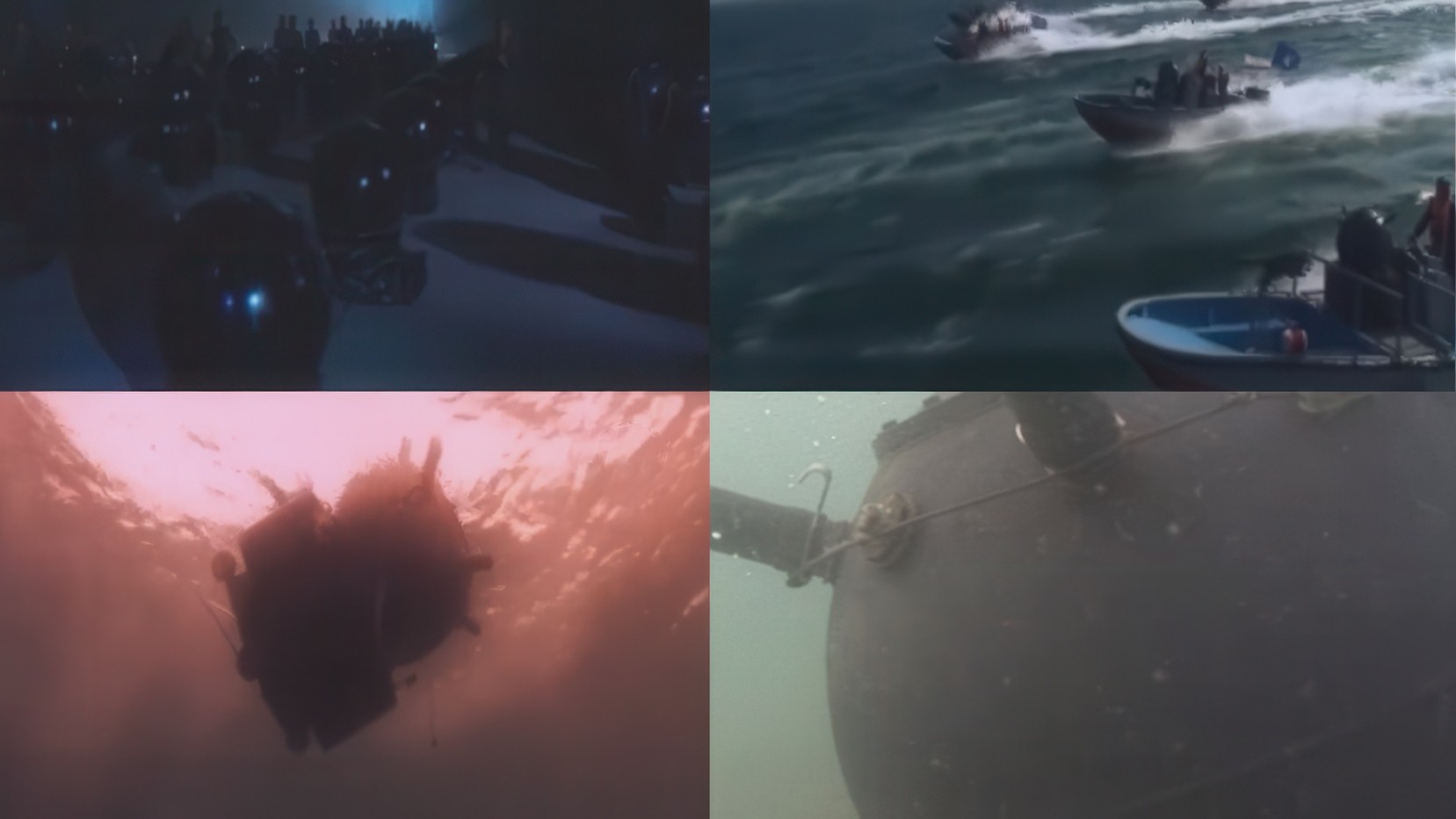
Iran’s primary requirement is to deter vessels from transiting, as nearly any explosive projectile can destroy oil tankers or LNG carriers. In contrast, the United States would need to conduct extensive operations to suppress Iran’s coastal military assets before guaranteeing permanent safe passage for vessels.
Iranian naval forces similarly focus on asymmetric warfare, employing sea mines, anti-ship missiles, fast attack craft (speedboats) and small submarines. It should be noted that, prior to the outbreak of hostilities, Iran explicitly warned relevant parties that any attack would trigger both vertical and horizontal escalation. One example was the letter from Iran's Permanent Mission to the United Nations dated 19 February 2026. This dynamic was also analyzed in an earlier analysis published by Al Jazeera Centre for Studies, titled “Why Trump Hesitates to Go to War with Iran”.
![The diverse range of anti-ship cruise missiles in service with the Iranian armed forces. From back to front: Nasr, Nasir, Qadir and Abu Mahdi. [Mizan News Agency]](/sites/default/files/inline-images/Picture66666666666.jpg)
Iran’s cruise missile arsenal includes short-range systems such as the Nasr with a 35-kilometre range and the Nasir with a 90-kilometre range. Next are the Noor-class missiles, based on the Chinese C-802, with ranges of 120, 200 and 300 kilometres. Finally, the Soumar and Paveh cruise missiles can strike targets up to 1,000 kilometres away. Notably, these anti-ship cruise and ballistic missiles can be fired from deep inland, over 1,000 kilometres from the strait, significantly enhancing the survivability of the launchers. Suicide drones operate similarly.
One-way attack drones, which have proven highly effective in this conflict, further compound the threat. The Islamic Revolutionary Guard Corps Navy (IRGCN) and the Islamic Republic of Iran Navy (IRIN) also deploy fast attack craft armed with anti-ship cruise missiles, rocket launchers and even anti-tank guided missiles. These can be launched in large numbers to saturate and overwhelm convoy defences. Many such vessels are based in underground coastal facilities. To counter aerial threats, some are equipped with surface-to-air missiles, while crews carry man-portable air-defence systems.
Coastal submarines represent another significant danger. The acoustic properties of the Gulf make it particularly suitable for their operation, posing a threat to both commercial shipping and any escorting naval forces.
![Valfajr 2 and Yasin torpedoes in service with the Iranian Armed Forces [Fars News Agency]](/sites/default/files/inline-images/Picture7777777777777777.jpg)
Overall, the region is a truly target-rich environment. Defending every possible energy related infrastructure is simply impossible, and even a small number of “leakers”—missiles or one-way attack drones that penetrate defences—can inflict catastrophic damage.
If the United States enters the Strait of Hormuz, its military power would directly confront Iran’s geographic advantage. Even an extensive air campaign along the coastline would not prevent cruise missile and suicide drone launches from deep inland.
These factors may push the United States toward high-risk decisions. Amphibious operations along the coast and the seizure of certain Iranian islands fall within this calculus. As reported, with the approval of the Pentagon, an order has been issued to deploy 2,500 U.S. Marines to the Middle East along with the amphibious ready group Tripoli. This naval group consists of the USS Tripoli, USS San Diego and USS New Orleans. The group also includes 20 F-35B fighter jets. The naval group is currently located in the eastern Pacific Ocean and will arrive in approximately two weeks.
The critical question remains: how much do the lives of US service members matter to commanders? Even if small islands are successfully occupied, US forces stationed there would remain exposed to continuous Iranian fire, with minimal cover. To mitigate such risks, the United States would have to cover an enormous operational area.
The concept of naval convoys also carries significant risk. The navigable portion of the Strait of Hormuz is extremely narrow, with shallow surrounding waters. This means that if any vessel—especially a lead ship—were seriously damaged or sunk, it could render the rest of the convoy effectively defenceless. Escort speed is another challenge: a commercial vessel typically moves at 18 knots (33 km/h), whereas an Arleigh Burke-class destroyer can travel at 30 knots (50 km/h). Lower speeds constrain manoeuvrability, increasing vulnerability. Another critical consideration is how many escort operations would be required to move approximately 200 non-sanctioned tankers currently in the area, and whether returning to pre-crisis shipping rates and sustained exports would even be feasible. These are questions the United States has yet to resolve.
Iran’s undersea capabilities present an additional challenge. Even with some Iranian submarines destroyed in the early days of the conflict, naval mines, torpedoes and unmanned underwater vehicles can easily target ships. In a high-pressure campaign, Iran could deploy mines throughout the strait.
The United States’s possible countermeasure could involve a form of conditional naval blockade, similar to operations conducted in Venezuela. In practice, this would entail intercepting Iranian vessels—tankers or cargo ships—once they enter the Arabian Sea, and only releasing them if maritime traffic in the Strait of Hormuz is maintained.
While such a scenario is not implausible, it could trigger a severe Iranian response against US-allied Arab states. Countries like Kuwait, Bahrain, Qatar and the UAE rely heavily on maritime imports for daily necessities, rather than overland supply routes through Saudi Arabia.
In summary, reopening the Strait of Hormuz may be militarily possible, but the primary challenge for the United States is that such an operation would likely incur extremely high costs and require a prolonged timeframe. Furthermore, even initiating such a conflict could trigger a global economic crisis. The combined set of threats to vessels attempting to transit the strait represents a credible and persistent danger. Neutralising this threat could take weeks or even months, and maintaining permanent control over the long term is impractical.
Consequently, if the United States seriously pursues military action, a likely approach would involve a combination of the previously discussed scenarios: increased strikes along the coast, controlled amphibious operations, and the interception of Iranian vessels to exert short-term pressure on Tehran. At the same time, time is not on Washington’s side; while the United States relies on classic operational scenarios, Tehran retains the initiative.