
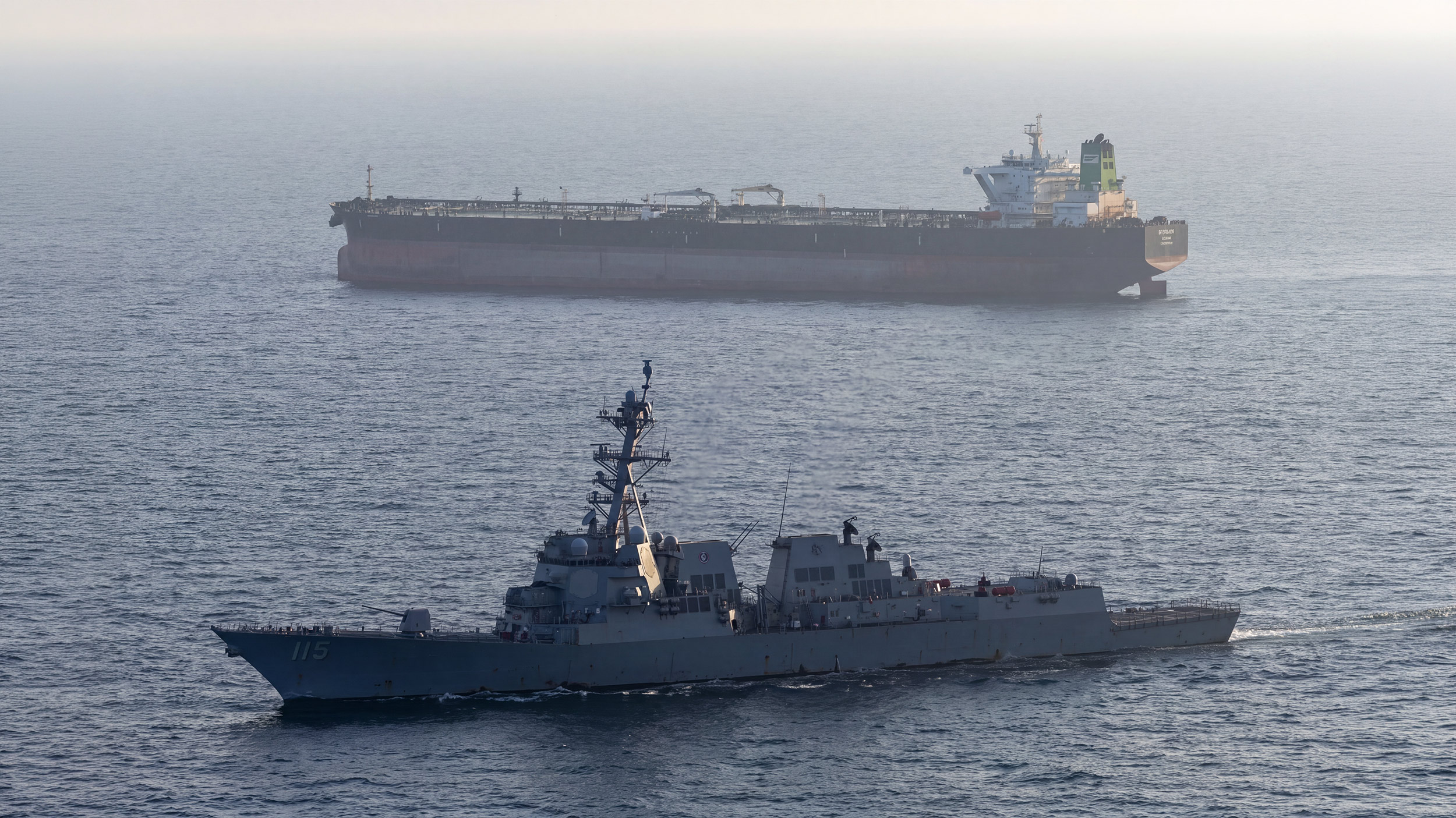
Origins of the naval blockade
On 8 April 2026, following the declaration of a ceasefire by Pakistani Prime Minister Shahbaz Sharif, who was acting as a mediator in both the ceasefire negotiations and the US-Iran talks, (1) Israeli attacks on Lebanon continued. Although a cessation of hostilities on all fronts—particularly in Lebanon—was part of the ceasefire agreement, it was completely rejected by the US and Israeli presidents. (2) (3)
In response, Iran announced that it would keep the Strait of Hormuz closed to commercial vessels due to the violation of the ceasefire. The closure remained in effect until Iranian Foreign Minister announced the reopening of the Strait on 17 April. (4) However, the reopening was short-lived. According to an announcement by Iran's Supreme National Security Council on 18 April, (5) the Strait of Hormuz would return to its previous status under the control of the Iranian armed forces because of the continuation of the US naval blockade against Iran.
Following the failure of the Iran-US talks held in Islamabad on 11 and 12 April, Trump announced on Truth Social on the morning of 13 April that a naval blockade of Iran would take effect that same day. The stated objective was to prevent the passage of commercial vessels linked to Iran, as well as vessels departing from or bound for Iranian ports. (6) According to US Central Command, from the beginning of the blockade through 4 June, the US Navy compelled 127 commercial vessels to alter their routes, targeted six Iranian-linked commercial vessels, and seized at least four Iranian vessels. (7)
According to US Central Command, the first Iranian-linked commercial vessel seized during the blockade was the container ship TOUSKA, which was stopped by gunfire from the destroyer Esperance (DDG-111) on 20 April. (8) On 21 and 23 April, the second and third Iranian-linked vessels, TIFANI and MAJESTIC X, were seized by the US Navy off the southeastern coast of Sri Lanka.
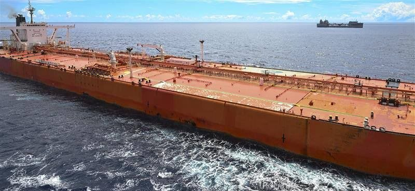
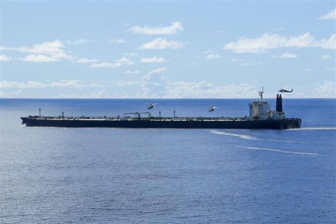
The seizure of these two vessels occurred despite recorded draught data indicating that both tankers were carrying cargo and were intercepted midway through their voyages. This marked the first US action against commercial vessels in the eastern Indian Ocean, (9) indicating Washington's intention to extend the blockade beyond the officially declared blockade zone around the mouth of the Gulf of Oman in order to prevent the passage of Iranian commercial shipping. (10)
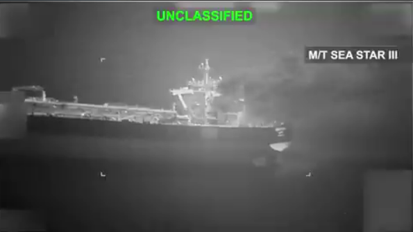
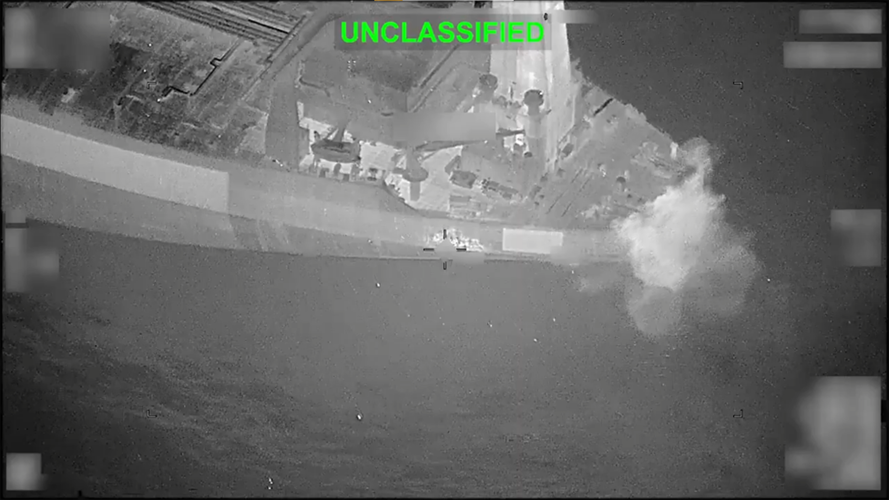
US actions against Iranian commercial vessels continued thereafter. On 6 May, the empty tanker HASNA was targeted in the Gulf of Oman. Two days later, on 8 May, the Iranian tankers SEA STAR III and SEVDA were targeted near Konarak Port by fire from US Navy F/A-18E/F Super Hornet fighters operating as part of the Abraham Lincoln (CSG-3) and George Bush (CSG-10) carrier strike groups deployed in the northern Indian Ocean and Gulf of Oman. (11) (12)
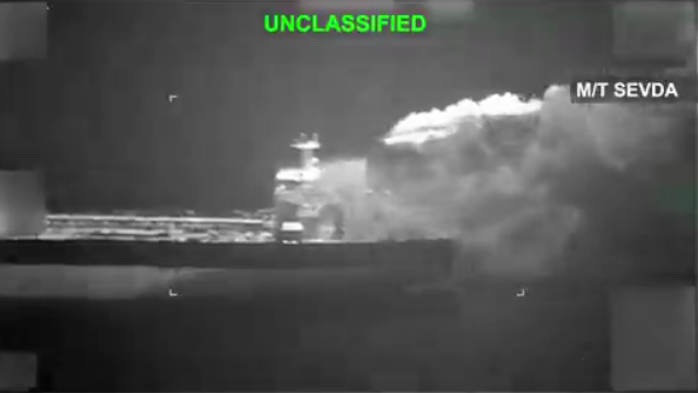
The seizure of Iranian commercial vessels also continued. On 20 May, it was announced that the US Navy had seized the tanker SKYWAVE in the Indian Ocean, a sanctioned tanker known to be linked to Iran. (13)
The naval blockade imposed by the United States is not the first such blockade in history and, given the current international environment and rising tensions between the United States and Cuba, it is unlikely to be the last. However, to understand how and why the blockade against Iran was implemented, it is necessary to examine the historical development of naval blockades and the objectives that motivated the United States to employ this strategy against Iran.
Naval Blockades Throughout History
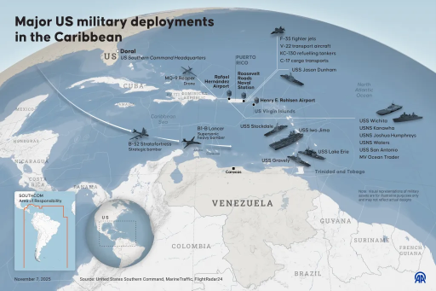
A naval blockade is a military operation conducted primarily to disrupt a target country's commercial shipping, military shipping, or both. Although this type of military action was largely absent following the First and Second Gulf Wars, it has attracted renewed attention in recent years due to the Venezuelan crisis that began in the Caribbean in September 2025 and led to the kidnapping of Venezuelan President Nicolás Maduro—a crisis that remains ongoing. However, a review of the history of warfare shows that this form of maritime military operation has been employed for several centuries.
Naval blockade operations throughout history can generally be divided into three periods: the classical period (from antiquity to 1914, including examples such as the Peloponnesian War, the Napoleonic Wars and the American Civil War); the industrial period (1914–1945, including the German naval blockade during the First World War and the British naval blockade during the Second World War); and the contemporary period (including the naval blockade of Cuba during the Cuban Missile Crisis, the naval blockade of Iraq during the Gulf War, and the naval blockade of Venezuela). Although these blockades differed in their specific objectives, they shared—and continue to share—the same fundamental operational logic and conceptual framework.
Operations conducted during the contemporary period are particularly suitable for examination because of their historical proximity and more readily observable outcomes:
- Cuba
The Cuban Missile Crisis is generally regarded as the first modern naval blockade. To avoid the legal and political implications associated with a declaration of war, the United States referred to its blockade of Cuba as a “naval quarantine”, even though a naval blockade is considered a military action. During the 13-day crisis, the United States employed surface combatants, submarines and military aircraft in an effort to prevent Soviet vessels from reaching Cuba. Although tensions between the Soviet Union and the United States escalated significantly, the crisis ultimately ended through a bilateral agreement that resulted in the removal of Soviet offensive weapons from Cuba and the withdrawal of American missile bases from Turkey and Italy.
- Iraq
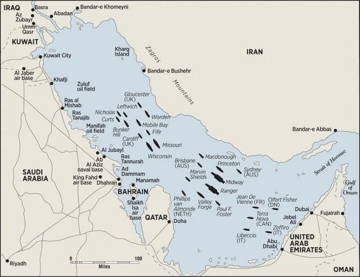
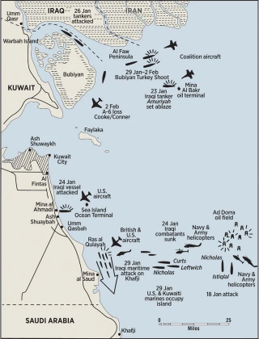
During the First Gulf War, following Iraq's invasion of Kuwait in 1990 and the implementation of United Nations Security Council sanctions, the United States and coalition partners conducted Maritime Interception Operations in the northern Indian Ocean, the Gulf, and Iraqi ports in the western Gulf. These operations were intended to prevent Iraqi oil exports, restrict the import of military equipment, and impose economic pressure designed to weaken the Iraqi Baath regime.
- Venezuela
Although it was never officially described as a military operation, the naval blockade against Venezuela—conducted under the framework of Operation Southern Spear—evolved into a military and surveillance campaign. Initially launched as a multinational maritime effort to combat smuggling in the Caribbean Sea, it gradually developed into a naval embargo that included the interception and seizure of oil tankers and the disruption of Venezuela's transportation network. While tensions between Venezuela and the United States had existed since 2017, they reached their peak during the second presidency of Donald Trump. Although the crisis was widely considered to have culminated with the kidnapping of Nicolás Maduro in January 2026, it remains ongoing.
The objectives of the US naval blockade of Iran
Beyond the operational process and implementation of the naval blockade against Iran, the central question concerns the primary objectives of the United States in conducting this blockade. It is important to note that although the naval blockade is a military action, it should not be understood solely within a military framework. Rather, it is a multi-layered military and geopolitical instrument that functions as a tool for generating economic pressure on Iran and for managing the regional energy market.
The primary objective of the naval blockade is to exert economic pressure on Iran. The current standoff between Iran and the United States is no longer a conventional confrontation of military capabilities; instead, it has shifted into a domain of economic and political endurance, effectively turning it into a lever for negotiation.
Based on statements by US President Donald Trump regarding the destruction of Iranian oil infrastructure, as well as existing analyses of the blockade and its economic consequences, most assessments converge on the expectation of severe damage to, or even collapse of, the Iranian economy. (14) The Foundation for Defense of Democracies (FDD)—whose members include US sanctions strategists currently involved in designing and implementing sanctions campaigns within the US Treasury Department—has published an analysis of the economic effects of the naval blockade on Iran. This analysis reflects the perspective of actors involved in the planning and implementation of sanctions campaigns against Iran.
From this perspective, and assuming that more than 90 percent of Iran’s trade passes through the Strait of Hormuz via maritime routes, a naval blockade could severely disrupt Iranian commerce, which is estimated at approximately $110 billion annually.
First objective: Disrupting Iran’s oil exports
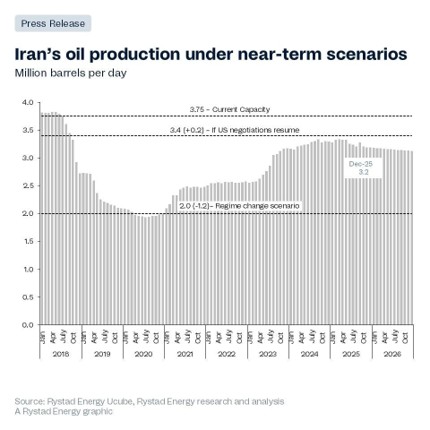
From this standpoint, disrupting Iran’s oil exports is considered one of the primary objectives of the naval blockade. The aim is to reduce Iran’s oil exports—estimated at approximately 1.5 million barrels per day—and thereby significantly decrease its oil revenues. Given that more than 90 percent of these exports depend on maritime routes and lack viable alternatives, the blockade would ultimately target Iran’s principal source of national income.
The secondary objectives related to Iran’s oil sector include damaging oil production, refining and storage capacity. According to projections associated with sanctions planners, Iran has already filled approximately 60 percent of its 50–55 million barrels of storage capacity. With continued production—estimated at 1.5 million barrels per day—storage capacity would be exhausted within 13 days. This situation could force Iran to shut down oil wells and reduce production by approximately 300,000–500,000 barrels due to water coning, which is what Trump is believed to have referred to as the “blowing up” of Iranian oil wells.
Second objective: Disrupting Iran’s petrochemical exports
Beyond oil exports and storage capacity, Iran’s petrochemical exports and other non-oil exports are considered secondary targets of the naval blockade. These include:
- Iranian petrochemical exports, estimated at $54 million per day
- Non-oil exports such as minerals and metals, estimated at $79 million per day
Third Objective: Disrupting Port Operations and the Supply of Essential Goods
Iranian ports play a critical role in the effectiveness of the blockade. Major port facilities—including Asaluyeh, Imam Khomeini and Shahid Rajaee, located along the Gulf—require uninterrupted access to maritime routes. Any disruption to commercial shipping could therefore significantly impair port operations.
Another objective is to disrupt Iran’s imports, estimated at approximately $160 million per day, which consist primarily of essential goods such as food, industrial inputs and machinery. Disrupting these flows could lead to increased inflation and rising prices for food, services and goods within Iran.
In summary, disrupting Iran’s exports—its primary source of income—alongside restricting the flow of essential imported goods, constitutes one of the central objectives of the naval blockade. These effects can be understood as contributing to economic instability and increasing pressure on the Iranian population.
The implementation of the naval blockade against Iran can also be analysed within the framework of the US application of the Warden Doctrine. This military strategy proposes targeting the enemy’s overall system rather than focusing solely on military forces. The doctrine consists of five primary rings:
- Leadership structure: sovereignty, government, political leadership, political decision-making structures and military command
- Critical structures: electricity, fuel, energy and the economy
- Infrastructure: bridges, roads, railways and transportation networks
- Population: civilians, morale and public opinion
- Field military forces: military structures, personnel, equipment and bases
The key distinction between this approach and classical warfare lies in its expansion of targeting to all components of a state’s governance structure, rather than concentrating on military forces alone. The objective is to weaken the entire governance system through coordinated and simultaneous strikes, creating systemic shock that may ultimately lead to collapse.
The application of this doctrine by the United States is not unprecedented, with its most visible manifestations occurring during the 1991 Gulf War and the 1998 Kosovo War. It was also applied in Iran from the first day of the 40-day US-Israeli war against Iran, which began on 28 February. Through this doctrine, the United States and Israel reportedly sought to target the first ring of the Warden Doctrine by targeting Iran’s Supreme Leadership, key members of the Iranian Defence Council—which was formed after the 12-day war in June as a subsidiary of the Supreme National Security Council of Iran tasked with strengthening defence decision-making—as well as the senior command of the Iranian armed forces.
Even the strike on the Shajara Tayyiba School in Minab, Hormozgan Province, Iran, on the first day of the war can be interpreted within the framework of the Warden Doctrine. Although the United States has so far avoided explaining the rationale for targeting the school, the attack may be understood as consistent with this doctrine and aimed at generating public fear and reducing societal morale in Iran. It should also be noted that during the war, other residential areas across Iran were not spared from US and Israeli attacks, as evidenced by the discovery of an unexploded warhead in Tehran’s Molavi Market, the neutralisation and recovery of ammunition from residential areas, and the 1460 civilian martyrs in Iran—including 221 children and 499 women. Accordingly, the attack on the school in Minab cannot be attributed solely to military error or outdated targeting databases, particularly given that modern intelligence, surveillance and reconnaissance systems, including high-resolution satellite imaging, make it feasible to maintain and update accurate target databases.
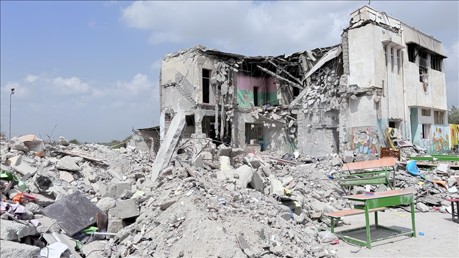
As the war continued, several critical civilian and economic infrastructures in Iran were extensively targeted. These included Israel’s attacks on Iran’s South Pars gas field in Asaluyeh, petrochemical facilities in Mahshahr Port, oil storage facilities in northern and southern Tehran, steel industries in Isfahan and Khuzestan provinces, and sections of Iran’s railway network along east–west and north–south corridors, as well as communication roads and bridges. Among these, the attack on the under-construction B-1 bridge in Karaj and eight additional bridges in central regions are clear examples. All of these actions are presented as consistent with the implementation of the Warden Doctrine and aimed at achieving systemic collapse in Iran.
In this regard, War Room—which publishes analyses supported by the US Army War College Foundation—published an article on 19 March assessing the application of the Warden Doctrine in efforts to overthrow the Iranian government. (15) The article briefly argues that while the doctrine was effectively applied in Iran through targeting of central rings, it did not result in regime change or victory for the United States and Israel. It further suggested that, in order to facilitate a popular uprising in Iran, the United States and Israel should instead target the outer rings, similar to strategies attributed to Lenin in transforming Tsarist Russia into the Soviet Union and Mao in transforming the Republic of China into the People’s Republic of China.
In this context, the naval blockade can be understood as part of the broader application of the Warden Doctrine, aimed at weakening the outer rings of the system and generating public dissatisfaction through sustained economic pressure.
The Impact of the Naval Blockade
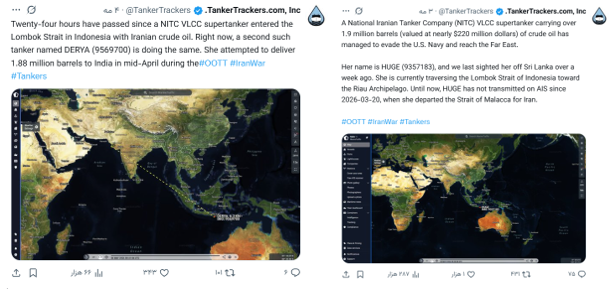
More than a month has passed since the announcement of the 13-day deadline for the closure of Iranian oil wells and what Trump described as the “explosion of oil wells”. Contrary to expectations, Iran’s oil exports have not been significantly disrupted. According to available reports, including data published by TankerTrackers, most Iranian tankers that departed in the first half of April have reached their destinations. In addition, available records indicate that several empty tankers have also managed to bypass the naval blockade and return to Iran after delivering their cargo, where they can subsequently be used as floating oil storage units.
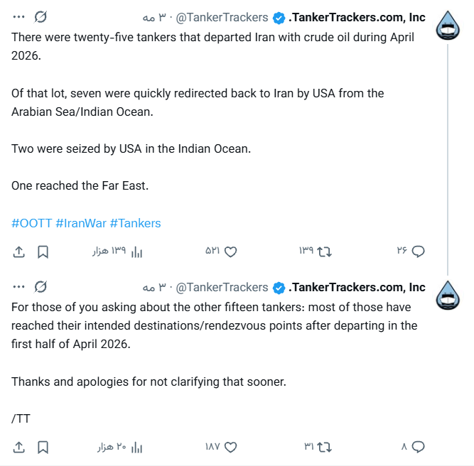
According to TankerTrackers, at least 15 Iranian tankers had bypassed the US naval blockade and reached their destinations or unloading areas by early April. A recent report by the Washington Post also indicates that Iranian oil continues to reach East Asia despite the blockade. (16) Satellite imagery of the Riau Islands—known as a staging area for Iranian tankers—shows that at least 13 tankers have conducted ship-to-ship transfers since last month, offloading cargo to empty tankers before delivery to final customers. In addition to these shipments that successfully bypassed the blockade, approximately 90 million barrels of Iranian oil were floating near the Riau Islands in early February (before the war began). This figure has since declined to at least 42 million barrels, suggesting that the transfer and sale of Iranian oil continued during and after the war.
As of mid-April, approximately 23 million barrels of Iranian oil were stored across 12 Iranian VLCC/ULCC tankers in the Chabahar area in southeastern Iran. This indicates that Iran intends to keep its oil cargoes in storage at sea and rotate or transport them through alternative methods in response to the US naval blockade in the Gulf of Oman.
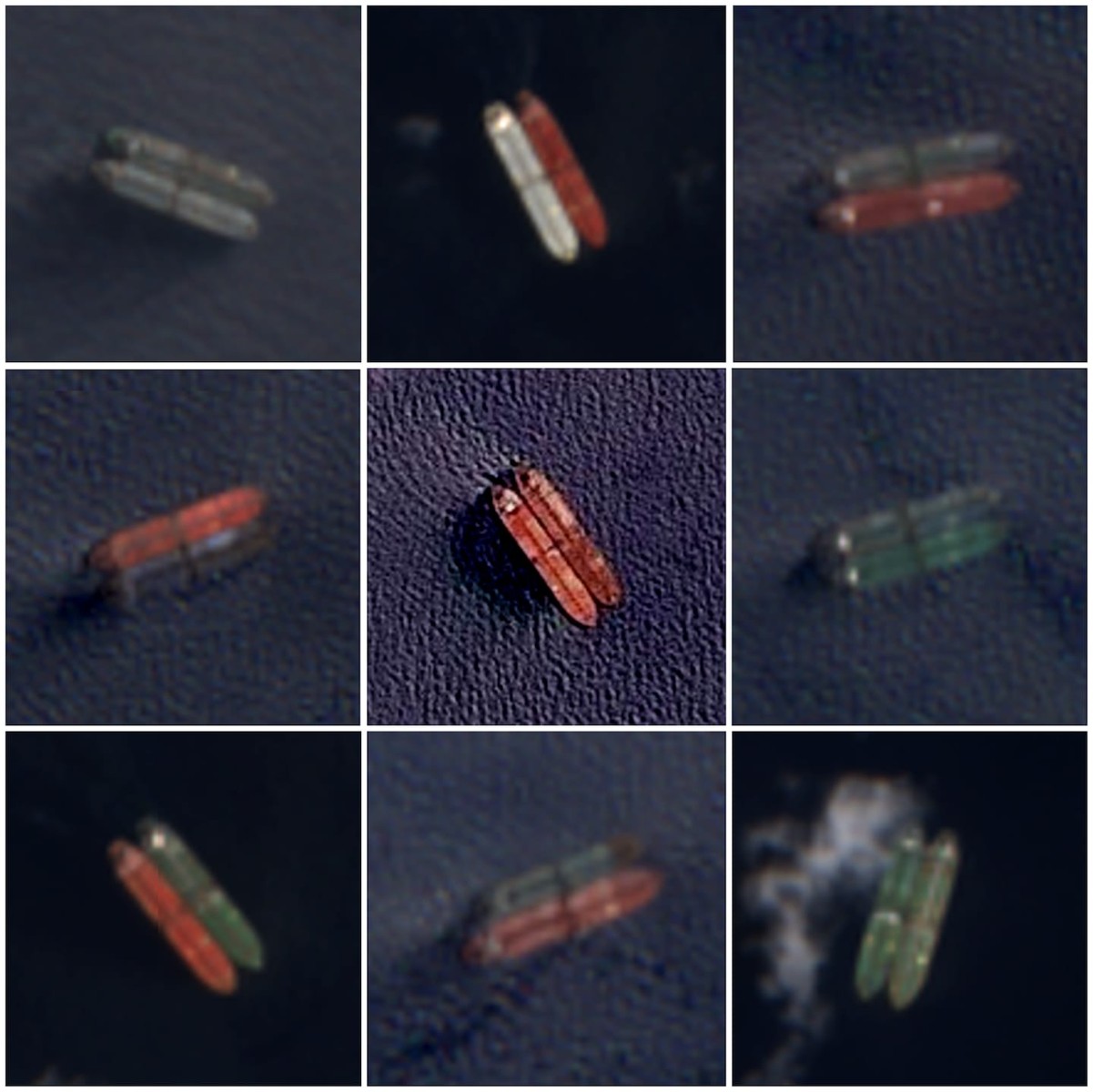
Meanwhile, although several vessels have been forced to change course and return to Chabahar due to pressure from the US Navy, (17) available records of Iranian shipping activity indicate that some vessels have also successfully bypassed the US naval blockade. (18)
Iran’s Possible Responses and Strategic Trajectories
An important consideration in relation to a naval blockade is that it constitutes a military action. The US Naval Command Manual on Naval Blockade defines it as “a belligerent operation conducted for the purpose of preventing the entry or exit of vessels or aircraft of all nations—both hostile and neutral—to or from specified ports, airports, or coastal areas owned or controlled by an enemy government.” (19) (20)
Accordingly, it is necessary to clarify that the US establishment of a naval blockade against Iran at a time when a ceasefire is in effect and active hostilities have reached a standstill constitutes a clear and explicit violation of the ceasefire.
Following the imposition of the naval blockade on 13 April, and despite US Navy efforts to restrict the movement of Iranian-related vessels to and from Iranian ports, the United States has sought to disrupt Iran’s shipping network through measures such as rerouting commercial vessels, seizing vessels using helicopter gunships, and targeting propulsion systems to prevent them from continuing their voyages. However, Iran’s response to the blockade indicates that it has currently adopted a strategy based on restraint and the preservation of diplomatic channels, with the aim of preventing a renewed escalation of war in the region.
In its first response to the continued US naval blockade, Iran revised and expanded the areas under the control of the Iranian armed forces. On 4 May, the Khatam al-Anbiya Central Headquarters (QCHQ) announced that two zones west and east of the Strait of Hormuz would henceforth fall under the control of the armed forces. These include the area south of the line between Mount Mubarak in Iran and south of Fujairah in the United Arab Emirates (east of the Strait of Hormuz), and the area west of the line between the end of Qeshm Island in Iran and Umm al-Quwain in the UAE (west of the Strait of Hormuz).
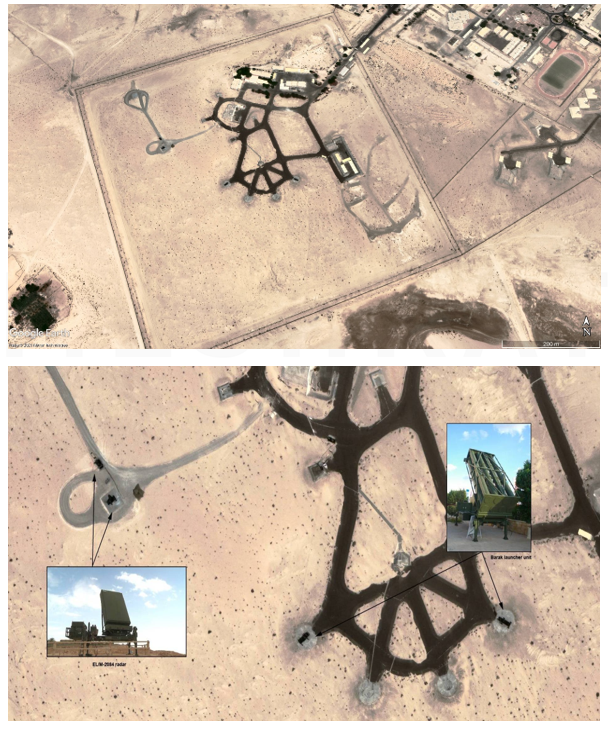
This action by the Iranian armed forces can be interpreted as an expansion of restrictions on the movement of commercial vessels belonging to the warring parties in this maritime zone, particularly those associated with UAE ports. Although the UAE seeks to maintain a low profile in the conflict, its actions before, during and after the war indicate an effort to position itself as a state aligned against Iran in the southern Gulf. Its military cooperation with Israel predates the war, including the acquisition of the Barak-8 medium-range air defence system from the Israeli defence industry—which is deployed in at least one battery in the Abu Dhabi area—as well as normalisation of relations through the Abraham Accords.
During the war with Iran, the UAE’s cooperation with the United States and Israel in operations against Iran during the 40-day war—evidence of which has been presented by Iran to the UN Security Council (21)—as well as the attack on the Lavan Island oil facilities on the morning of the first day of the ceasefire, clearly indicate that the UAE was directly involved in the conflict against Iran, despite its official position
One clear manifestation of this cooperation is the visit of the Israeli Prime Minister to the UAE during the war with Iran and his meeting with Sheikh Mohammed bin Zayed, the ruler of Abu Dhabi and President of the UAE. (22) The confirmation of this visit by the Israeli Prime Minister’s Office, despite the UAE’s attempts to deny it, is regarded by Iran as significant and unambiguous.
Therefore, the expansion of the area under Iranian control to the east and west of the Strait of Hormuz, with particular focus on UAE-linked ports, may represent Iran’s first countermeasure to the naval blockade. In this context, targeting port facilities, oil terminals and commercial vessels belonging to the UAE—which is explicitly characterised as a hostile state toward Iran—could form part of Iran’s initial military response to the US naval blockade.
In assessing this development, it is necessary to consider the strategic importance of the Strait of Hormuz and the consequences of restricting maritime traffic through it by the Iranian armed forces. The Strait of Hormuz functions as a critical energy bottleneck, through which an average of approximately 20 million barrels of oil per day passed in 2024 and mid-2025, representing around 20 percent of global oil consumption. Although Saudi Arabia maintains an alternative export route via the East-West pipeline and the UAE reduces its dependence on the Strait through the Habshan–Fujairah pipeline, these pipelines typically do not operate at full capacity and are estimated to collectively enable the transfer of approximately 2.6 million barrels of oil per day. (23)
In addition to oil flows, global liquefied natural gas (LNG) trade is also heavily dependent on the Strait of Hormuz, with approximately 9.3 billion cubic feet per day of LNG from Qatar and approximately 0.7 billion cubic feet per day from the UAE transiting the Strait during 2024 and the first half of 2025.
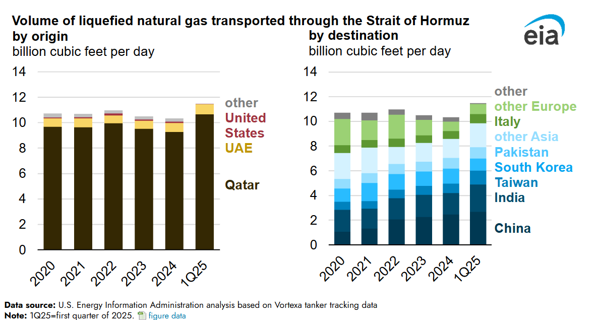
These elements are sufficient to demonstrate the significance of restricting the movement of commercial vessels through the Strait of Hormuz, through which approximately 100 to 150 commercial vessels passed daily prior to the war—a figure that has now declined significantly.
On 4 May, the United States announced its intention to facilitate the passage of commercial vessels through the Strait of Hormuz under an operational plan called “Project Freedom”. In this context, the UK Maritime Trade Operations (UKMTO), under US support, issued instructions to commercial vessels intending to transit the Strait of Hormuz as part of Operation Freedom, advising them to use the northern coastal route of Oman (north of the Al-Khasab region in the southern Strait of Hormuz) and to keep their Automatic Identification System (AIS) turned on. However, after one day of implementation, this plan resulted in a clash and a limited exchange of fire between Iranian armed forces and US Navy units—which were transiting the Strait of Hormuz with the aim of exiting it—and was subsequently temporarily suspended by the United States. (24)
The situation on the ground, and the ceasefire that followed, resemble a fire beneath the ashes, awaiting re-ignition. The current post-ceasefire environment is therefore highly fragile and unstable, and any action leading to a sudden escalation of tensions could result in the resumption of conflict.
So far, Iran has acted with restraint, and its only response to the US naval blockade has been to expand the areas under its control east and west of the Strait of Hormuz. However, Iran retains additional response options that it has not yet employed, likely for operational reasons and under the assumption of possible renewed hostilities.
One of the most likely potential responses would be the activation of leverage in the Bab al-Mandab Strait, an area with which the US Navy is already familiar due to approximately one year of operations in this maritime zone.
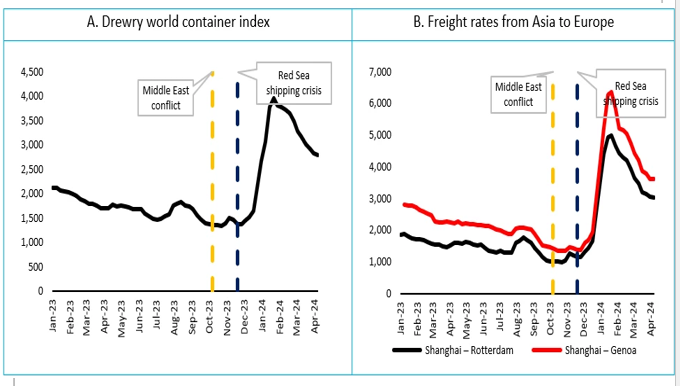
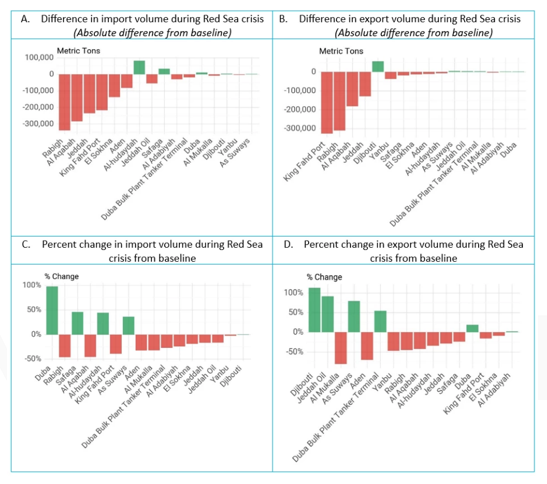
The actions of the Yemeni armed forces during the Red Sea crisis of 2023 to 2024 demonstrated that significant and sustained measures can be taken to disrupt the passage of commercial vessels through this waterway. Increased transit times due to rerouting, higher container shipping costs—particularly on routes passing through the Red Sea and the Bab al-Mandab Strait—and a marked reduction in port activity along the Red Sea coast were among the effects of Yemeni operations in the Bab al-Mandab Strait during the 2023–2024 Red Sea crisis. These effects, if this lever were to be reactivated and combined with the economic consequences of restricting the Strait of Hormuz by Iranian armed forces, could lead to even more severe impacts on the energy market, maritime transportation, the cost of goods and oil transport, and commercial shipping insurance, among others.
The conflict is now largely confined to the maritime domain. In this arena, the United States is attempting to use the leverage of a naval blockade to exert pressure and negotiate with Iran, while Iran is seeking to impose greater economic costs on its opponent through control of the Strait of Hormuz.
This divergence, which mediators are attempting to steer toward convergence in pursuit of an initial agreement and negotiations between Iran and the United States, is currently shaping the trajectory of the conflict. On the one hand, Iran assesses that the United States is attempting to extricate itself from the conflict with limited concessions, and is therefore seeking to force the opposing side to retreat from its positions by prolonging the confrontation and increasing its costs. On the other hand, the United States is attempting to balance escalating pressure on Iran with the risk of deeper escalation that could lead to a new phase of conflict; as occurred during the implementation of the Azadi project, which ultimately resulted in its temporary suspension.
Currently, the United States views its naval blockade of Iran as a tool for exerting pressure on both the Iranian state and population. Although the blockade is considered a military action under US naval regulations—and its implementation during a ceasefire clearly constitutes a violation of that ceasefire—it remains in force. In this context, the United States appears to regard the naval blockade not as a short-term military measure, but as a strategic instrument that can be deployed against various countries, including Iran, whenever US political and military authorities deem it appropriate—even during a ceasefire or its potential extension. In this situation, beyond legal considerations, it appears necessary for Iran to formulate an appropriate response should the blockade continue, so that the US decision-making framework may reassess the cost-benefit balance—namely, the risks, dangers and potential damage to its naval forces versus the effectiveness of the blockade—and ultimately be deterred from continuing the operation against Iran.
Given the fluidity of the political and military conditions created by this conflict, predicting its outcome has become increasingly difficult. The ambiguity surrounding negotiations mediated by Pakistan and certain regional countries such as Qatar, along with Trump’s unpredictable and often inconsistent behaviour, has made forecasting future developments and potential actions by the parties extremely difficult, and to some extent impossible. What is currently clear is that the outcome will depend on which side demonstrates greater resilience under the conditions created by this war, a dynamic whose potential escalation in the future should not be underestimated.
On 29 May, Trump announced an agreement on Truth Social, outlining several of its intended conditions. These conditions largely repeated previous US demands, including Iran’s commitment not to acquire nuclear weapons, the immediate and unconditional opening of the Strait of Hormuz without the imposition of tolls by Iran, and the clearance of naval mines allegedly laid by Iran in the Strait of Hormuz. He further stated that vessels previously blocked in the area due to the US naval blockade could now resume movement, as the blockade would be lifted.
Although this announcement was described in Iranian media as “Trump’s wish list”, subsequent developments indicated that the US naval blockade was not lifted but instead continued. (25) In this context, the oil tanker LEXIE was targeted by US forces while en route to Kharg Island to receive its cargo. Following this incident, US forces also struck a communications tower belonging to the Islamic Revolutionary Guard Corps in southern Qeshm Island.
In response, Iranian armed forces carried out an immediate counter-operation. During Iran’s retaliatory strike against the US attacks on the tanker and the communications tower in Qeshm, the Islamic Revolutionary Guard Corps (IRGC) Aerospace Force launched an operation involving multiple Qadr and Emad liquid-fuelled intermediate-range ballistic missiles, as well as Fateh-series solid-fuel ballistic missiles and Shahed-136 loitering munitions. These strikes targeted sites in Kuwait, including Ali Salem Air Base, Camp Buehring, and the headquarters of the US Navy’s Fifth Fleet in Bahrain. Although CENTCOM stated that all Iranian ballistic missiles and three loitering munitions were intercepted, satellite imagery of Ali Salem Air Base in Kuwait released the following day showed that, contrary to CENTCOM’s claims, several points at Ali Salem Air Base and Camp Buehring (Camp Udairi) had been struck.
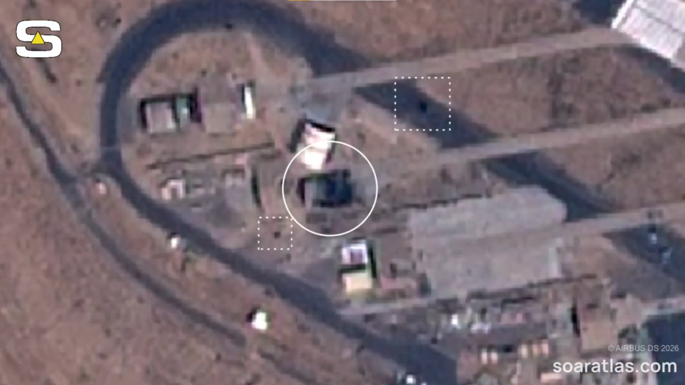
showed that, contrary to CENTCOM’s claims, several points at Ali Salem Air Base and Camp Buehring (Camp Udairi) had been struck.
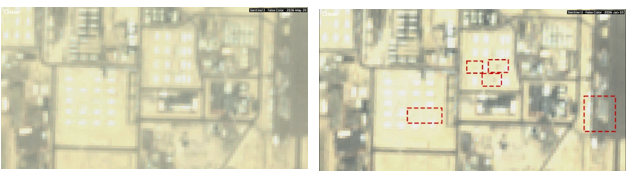
Previously, the IRGC had targeted Ali Salem Air Base in Kuwait on 28 May in response to US violations of the ceasefire. In that operation, although anonymous sources cited by Bloomberg News reported that an Iranian Fateh-110 missile was intercepted, its fragments injured five military personnel and contractors, destroyed an MQ-9 Reaper drone, and damaged another drone. (26)
The developments of recent days indicate that the intensity of Iranian counterattacks, conducted in response to repeated US ceasefire violations, is increasing bit-by-bit. This pattern reflects a broader principle of sustained resistance and the progressive increase of costs and risks imposed on the United States relative to perceived benefits.
- Shehbaz Sharif, “With the greatest humility, I am pleased to announce…”, X, 8 April 2026, https://tinyurl.com/4hzpdntp (accessed 7 June 2026).
- Prime Minister of Israel, “Prime Minister’s Office: Israel supports President Trump's decision…”, X, 8 April 2026, https://tinyurl.com/4zzj4rcx (accessed 7 June 2026).
- Liz Landers, “A few minutes after the Pentagon briefing…”, X, 8 April 2026, https://tinyurl.com/4v2x3mdu (accessed 7 June 2026).
- Seyed Abbas Araghchi, “In line with the ceasefire in Lebanon…”, X, 17 April 2026, https://tinyurl.com/3kb4495k (accessed 7 June 2026).
- “بیانیه دبیرخانه شورای عالی امنیت ملی پیرامون آخرین تحولات مذاکرات پایان جنگ تحمیلی سوم [Statement of the Secretariat of the Supreme National Security Council on the latest developments in negotiations to end the third externally imposed war]”, Government of the Islamic Republic of Iran, 17 April 2026, https://tinyurl.com/tyx2c9mk (accessed 7 June 2026).
- U.S. Central Command, “More than 10,000 U.S. Sailors, Marines, and Airmen…”, X, 14 April 2026, https://tinyurl.com/35tddhfj (accessed 7 June 2026).
- U.S. Central Command, “A U.S. Sailor stands watch aboard USS McFaul (DDG 74)…”, X, 4 June 2026, https://tinyurl.com/3jrf5mfz (accessed 7 June 2026).
- U.S. Central Command, “U.S. Marines depart amphibious assault ship USS Tripoli…”, X, 20 April 2026, https://tinyurl.com/m8b8p4x (accessed 7 June 2026).
- Akram Sharifi, “غریبآبادی خطاب به نماینده امارات: شما متجاوز هستید [Gharibabadi to UAE representative: ‘You are the aggressor.’”, Fars News, 14 May 2026, https://tinyurl.com/8dfcvj9e (accessed 7 June 2026).
- Dave Lamothe and Imogen Piper, “U.S. operations against Iran expand to Indian Ocean with tanker capture”, The Washington Post, 21 April 2026, https://tinyurl.com/2nktvabu (accessed 7 June 2026).
- U.S. Central Command, “U.S. Forces Disable Vessel in Gulf of Oman Attempting to Violate Blockade”, X, 6 May 2026, https://tinyurl.com/3u82xt3v (accessed 7 June 2026).
- U.S. Central Command, “U.S. Disables 2 More Vessels Violating Blockade in Gulf of Oman”, X, 8 May 2026, https://tinyurl.com/5vbhpyc6 (accessed 7 June 2026).
- Shelby Holliday, Lara Seligman and Costas Paris, “U.S. Seized Iran-Linked Oil Tanker in the Indian Ocean”, The Wall Street Journal, 19 May 2026, https://tinyurl.com/ytf6vpvh (accessed 7 June 2026).
- Miad Maleki, “What the US naval blockade would mean for Iran’s economy”, The Foundation for Defense of Democracies, 13 April 2026, https://tinyurl.com/mtfcp9pr (accessed 7 June 2026).
- “Cracks Are Emerging in Iran’s Once-Resilient Oil Sector”, OilPrice.com, 20 January 2026, https://tinyurl.com/4836bmdz (accessed 8 June 2026).
- Imogen Piper, “As U.S. blockades Iran, its oil still flows ship to ship an ocean away”, The Washington Post, 7 May 2026, https://tinyurl.com/4s4mzyrx (accessed 8 June 2026).
- “US destroyer turns back two oil tankers leaving Iran – Reuters”, Iran International, 15 April 2026, https://tinyurl.com/4tuc9xcb (accessed 8 June 2026).
- TankerTrackers.com, Inc., “Twenty-four hours have passed since…”, X, 4 May 2026, https://tinyurl.com/ybnzrt59 (accessed 8 June 2026).
- “The Commander’s Handbook on the Law of Naval Operations”, Department of the Navy, March 2022, https://tinyurl.com/3z38dcau (accessed 8 June 2026).
- Efstathios Kyriakidis, “Naval Blockade vs Maritime Interdiction Operations”, Strategy International, 8 May 2026, https://tinyurl.com/55v3fdae (accessed 8 June 2026).
- Akram Sharifi, “غریبآبادی خطاب به نماینده امارات: شما متجاوز هستید [Gharibabadi to UAE representative: ‘You are the aggressor.’”, Fars News, 14 May 2026, https://tinyurl.com/8dfcvj9e (accessed 7 June 2026).
- Ione Wells, “Netanyahu says he 'secretly visited' UAE during war with Iran”, BBC, 14 May 2026, https://tinyurl.com/45tczn4h (accessed 8 June 2026).
- “Amid regional conflict, the Strait of Hormuz remains critical oil chokepoint”, U.S. Energy Information Administration, 16 June 2025, https://tinyurl.com/2yb4ndk3 (accessed 8 June 2026).
- The White House, “We have mutually agreed that…”, X, 6 May 2026, https://tinyurl.com/ycx8n28t (accessed 8 June 2026).
- “محاصره خصمانه دریایی همچنان پابرجاست [The hostile maritime blockade remains in effect]”, Tasnim News Agency, 30 May 2026, https://tinyurl.com/55487tdu (accessed 8 June 2026).
- Gerry Doyle, “Americans Injured in Iranian Missile Strike on Kuwaiti Air Base”, Bloomberg, 30 May 2026, https://tinyurl.com/yw6776sv (accessed 8 June 2026).