
Introduction
Recent Middle East conflicts have exposed critical vulnerabilities in conventional air defence networks, significantly altering how regional actors perceive aerial threats and defensive realities. Following precision standoff strikes that severely degraded its traditional long-range radar installations, Iran is overhauling its anti-access/area denial (A2/AD) strategy. Shifting the focus from vulnerable, billion-dollar conventional infrastructure, Tehran is reportedly adopting asymmetric tactics directly inspired by the Ukrainian theatre. By fusing commercial-off-the-shelf (COTS) electro-optical sensors and artificial intelligence with low-cost loitering interceptors, Iran is building a decentralised, passive defensive network. This adaptation not only mitigates Iran’s immediate infrastructural vulnerabilities but introduces a new model that allows smaller nations and non-state actors to effectively contest technologically superior air forces.
Operation Rising Lion
The possibility of Israel establishing air superiority over Iran from ranges exceeding 1,500 kilometres had been dismissed as an operational impossibility, even within the strategic calculus of senior Iranian military commanders.(1) Primary constraints included the limited capacity of the Israeli Air Force’s (IAF) aerial refuelling fleet and Iran’s deployment of long-range surface-to-air missiles (SAMs). Systems like the Russian S-300PMU2 or indigenous B-373 ‘Bavar’, Kh-3 ‘Sevvom-e Khordad’, and Kh-15 ‘Panzdah-e Khordad’ can engage a diverse range of threats from ranges beyond 100 kilometres.
Furthermore, the allied regime in Damascus and considerable Russian military presence in Syria cemented the consensus that the IAF could not execute large-scale aerial campaigns without direct US operational involvement.
However, the rapid emergence of two unprecedented realities on the battlefield fundamentally changed this established strategic equation. First, the collapse of the Syrian regime, followed by the intensive and systematic bombardment of its military infrastructure drastically expanded the IAF’s secure operational envelope, resulting in an unobstructed aerial corridor from the Golan Heights to Iraqi Kurdistan, easily exploitable for operations such as aerial refuelling. The IAF actively leveraged Syrian airspace well after Bashar al-Assad’s fall to conduct complex training exercises, directly simulating coordinated strike packages against deep-inland Iranian targets.
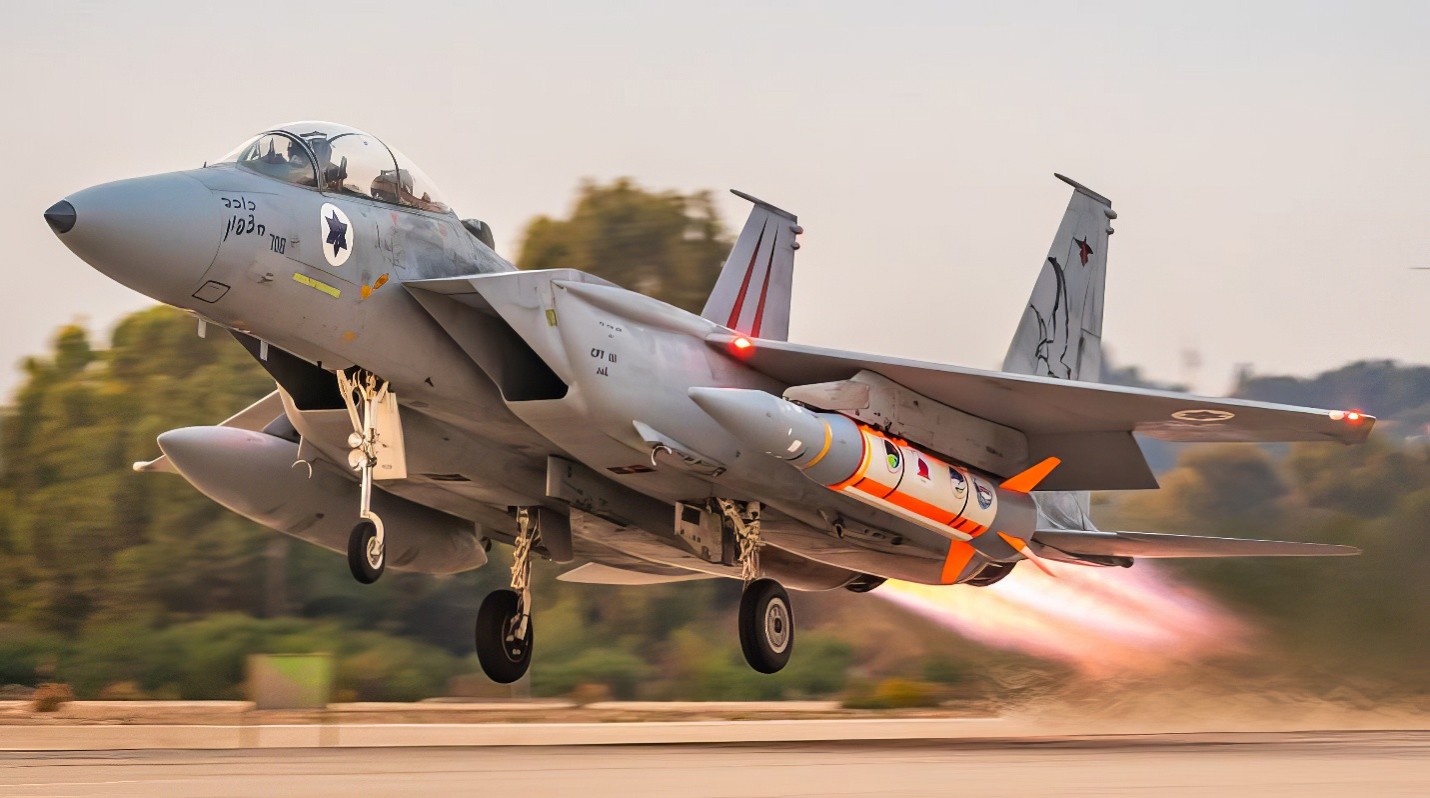
Second, the operational integration of air-launched ballistic missiles (ALBMs) introduced a dangerous new variable that substantially altered the balance of power in favour of Tel-Aviv. Advanced standoff munitions—such as ROCKS, Air-LORA, and the Sparrow ballistic missile family—allowed the IAF to neutralise high-value, long-range Iranian air defences prior to a large-scale campaign. A notable example is the S-300 battery targeted at Isfahan Airbase following Operation True Promise 1 in April 2024. (1) Despite carrying relatively light warheads, these specialised ALBMs possess pinpoint terminal accuracy. High unit costs and limited production capacity prevent the sustained employment of these weapons. However, by enabling rapid decapitation strikes against critical targets – such as early warning radars and command centres – from hundreds of kilometres away, these weapons play an irreplaceable role in opening strikes by circumventing traditional air defence envelopes, ultimately causing the systematic collapse of an adversary’s defensive network.
The strategic convergence of uncontested Syrian airspace and the deployment of standoff air-launched ballistic missiles exponentially increased the projected success rate of a sustained Israeli military campaign against the Islamic Republic. Following Iran’s Operations True Promise 1 and 2, the IAF executed two distinct phases of operational testing and preparations under the cover of retaliatory strikes. These highly coordinated preliminary incursions successfully laid the groundwork for the extensive, multi-domain military campaign that would subsequently materialise under the operational codename “Rising Lion”.
The initial phase of Israel’s synchronised offensive commenced with layered ALBM strikes, complemented by ground-based mercenary networks and proxy assets of Aman and Mossad utilising smuggled kamikaze quadcopters and anti-tank guided missiles. This two-pronged strategy aimed to eliminate critical long-range air defence nodes and enable further advances into Iranian airspace. Upgraded EW systems on Israeli F-35s, alongside complementary pods on F-15s and F-16s, were also crucial in defeating Iranian radar-based defences.
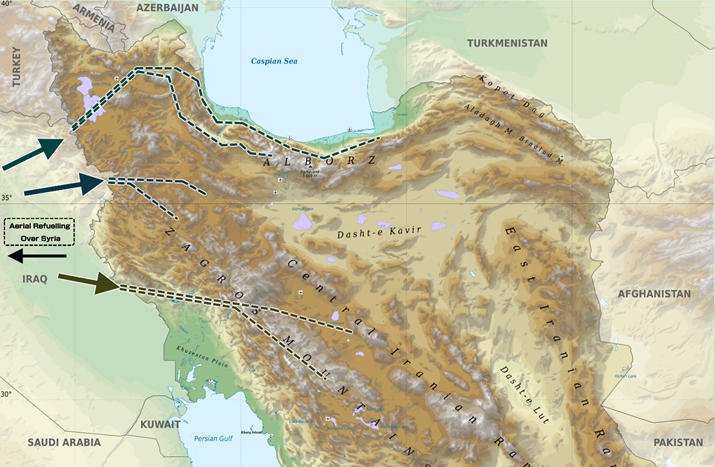
Crucially, Iran’s complex, mountainous topography dictates that the localised suppression or destruction of even a limited number of radar systems creates catastrophic blind spots within the integrated air defence network allowing enemy aircraft to utilise terrain masking to evade radar. Rapidly plugging these gaps during active hostilities is hampered by the slow mobilisation and redeployment rates of ground-based assets. Furthermore, deploying the Islamic Republic of Iran Air Force’s (IRIAF) obsolete aircraft against modern IAF platforms is unfeasible. Consequently, this systemic degradation facilitates the establishment of secure penetration corridors through Iran’s mountain ranges, granting the IAF unprecedented operational freedom to strike a vast array of strategic targets deep within Iranian territory using cheaper, readily available conventional precision-guided munitions (PGMs).
Over the course of the 12-day conflict, focusing strictly on the air defence domain, Israeli military assessments indicate that over one hundred air defence systems were successfully targeted. It is widely assessed that the surviving components of Iran’s air defence network were subsequently dispersed and concealed within hardened facilities. Within days, the IAF achieved air supremacy over western Iran.
The profound shock and operational paralysis inflicted by Israel’s Suppression of Enemy Air Defences (SEAD) campaign enabled the deployment of medium- and high-altitude unmanned aerial vehicles (UAVs), specifically the Hermes, Eitan and Heron series. Historically utilised for intelligence, surveillance and reconnaissance (ISR) missions over permissible airspace against adversaries lacking credible A2/AD capabilities, these drone platforms were transformed into frontline strike assets to compensate for the limited sorties Israeli manned fighter jets could undertake, targeting the surviving Iranian missile launchers and auxiliary defence systems.
The unexpected failure of Tehran’s multi-billion-dollar conventional air defence network during the 12-day war was devastating. Despite decades of procurement, the Iranian air defence network failed to meet expectation and ballistic strikes on Israeli airbases yielded negligible results. Furthermore, severe damage to Iran’s defence industrial base precluded rapidly rebuilding the pre-existing conventional architecture.
Strategists predicted that a subsequent joint US-Israeli blitz campaign would paralyse Iran’s military within days and result in a rapid collapse of its war machine – an assessment that likely drove Washington toward military escalation.
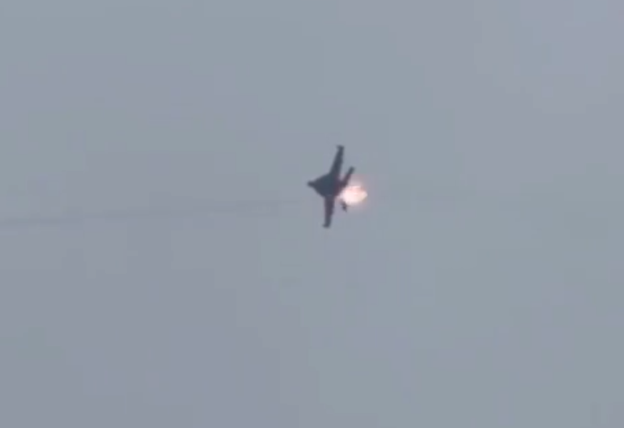
However, despite facing a drastically heavier second campaign, Iran’s newly adapted defence network performed beyond expectations during Operation Epic Fury. Iranian defences severely damaged several Israeli and American F-35s, F-15s, F/A-18s and A10s and managed to shoot down a US F-15 within Iranian territory. Interceptions of US and Israeli combat and ISR drones – assets critical for suppressing Iranian ballistic launchers – also surged. Iran claims to have destroyed over 150 UAVs, including 24 American MQ-9 drones. (2)
How did Iran achieve this upward trajectory in air defence performance compared to the previous war, despite the widespread destruction of its primary radar arrays and defence industry?
A New Model
Air defence operations are highly complex, continuous processes that extend significantly beyond the mere detection and neutralisation of aerial threats. Nevertheless, these operations can be characterised by a simple loop: threats are observed and detected, classified and verified, tactical decisions are formulated by commanders, and combat units ultimately execute interceptions.
Throughout the 12-day conflict, virtually every node of this theoretical engagement loop was compromised by Israeli operations. The aggressive suppression and destruction of Iranian radar networks critically disrupted early target acquisition. Precision strikes targeting primary command and control (C2) nodes severed essential communication channels and erased effective coordination among defence units. Consequently, isolated and blinded air defence batteries became highly vulnerable targets for the IAF.
Iranian military planners appear to have extensively studied the war in Ukraine for strategic and doctrinal insight. The Ukrainian theatre closely resembles Iran’s current situation, defined by a deep operational disparity in combat capabilities and resources between the belligerents. Despite these limitations, Ukraine has effectively leveraged its constrained assets through implementation of innovative, asymmetric tactics, successfully altering the operational momentum in its favour.
A pivotal evolution observed in the Ukrainian war strategy is the highly inventive militarisation of commercial off-the-shelf (COTS) equipment. For example, Ukrainian forces have successfully engineered a novel acoustic early warning system. By widely dispersing mobile devices or other rudimentary microphone-based systems across defensive lines and integrating them through civilian telecommunications infrastructures – such as standard cellular towers – a highly resilient, sound-based detection net was created to counter massive swarms of Russian drones and cruise missiles.
Prior to the outbreak of the 12-day war, Iran had already initiated the operational testing and limited deployment of similar acoustic networks. Designed to capture and analyse acoustic signatures emitted by incoming fighter jets, loitering munitions, cruise missiles and UAVs, these networks function as localised early warning and identification layers. However, recent strategic deployments indicate that the Iranian military has successfully advanced this Ukrainian concept significantly further.
During the subsequent 40-day conflict, Iran deployed a remarkable innovation within its air defence architecture. According to Israeli sources, (4) Iran integrated a vast array of standard commercial optics with advanced thermal and electro-optical (EO) equipment. By tethering these dispersed sensors to AI-enabled data centres, Tehran has effectively embedded a highly unconventional optical tracking layer within its national defence architecture.
By linking anti-air units to these AI-driven networks, defensive units maintain situational awareness and are enabled coordinate responses to incoming threats. Functionally, this optical web serves as a robust, asymmetric alternative to the conventional, active radar networks upon which Iran relied upon prior to the hostilities.
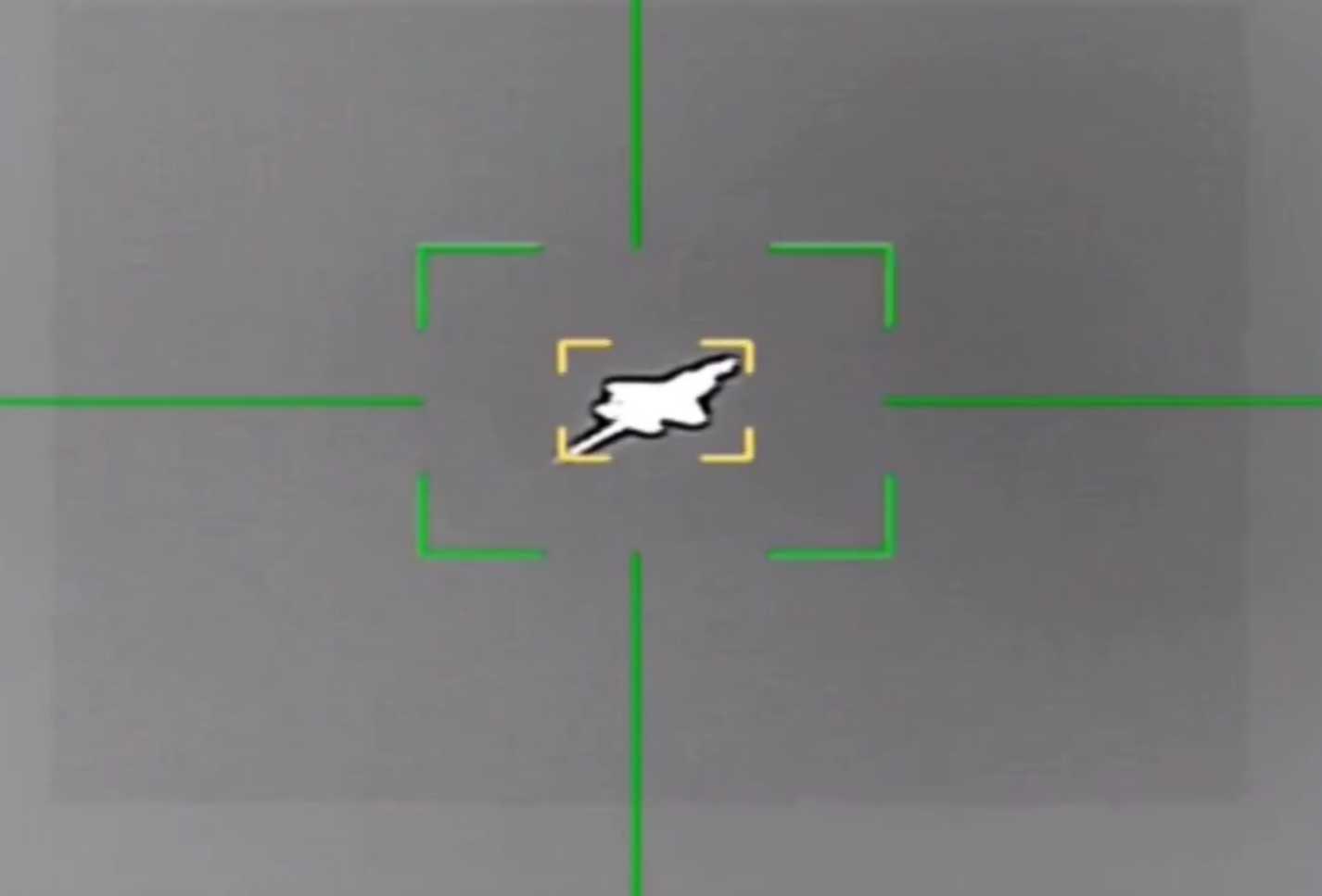
Unlike traditional radars, which require intensive maintenance cycles and frequent downtime following sustained operational periods, passive visual and EO systems boast significantly longer active deployment lifespans. Passive networks are also exceptionally difficult to detect and suppress compared to active radar systems. Since electro-optical sensors emit zero electromagnetic radiation, they are inherently immune to anti-radiation missiles and electronic warfare methods. Furthermore, the exceptionally low procurement cost of COTS cameras compared to multi-million-dollar radar installations means that even if individual sensor nodes are targeted, they can be replaced rapidly, sustaining the network’s overall integrity.
Despite theoretical advantages, the broad tactical deployment of pure optical tracking networks was historically unprecedented. Systemic limitations – primarily restricted acquisition ranges, the logistical burden of deploying mass sensor nodes, and the paralysing complexity of data fusion – rendered them operationally impractical. However, by integrating basic commercial optics with military-grade sensors and specialised AI algorithms, Tehran forged a highly functional, centralised data-processing network within a relatively short period. This architecture was subsequently deployed during the 40-day conflict against US and Israeli air forces.
The application of operational AI actively facilitates automated target recognition (ATR), visual identification friend or foe (IFF), and autonomous engagement sequences devoid of human operator latency and error. This integration drastically reduces the cognitive load on combat personnel, enabling the neutralisation of immediate, short-warning threats that previously overwhelmed traditional systems. The scale of this network – likely corresponding to the “next-generation air defence system” referenced in official IRGC statements – remains unknown.
Loitering Munitions
Since this dispersed network serves strictly as a target acquisition and decision-support platform, terminal interceptions still rely entirely on ground-based systems and operators. During the recent conflicts, Iran’s long-range anti-air missile systems suffered catastrophic attrition. Operational analysis also suggests that surviving high-value batteries were deliberately withdrawn from the active order of battle to preserve residual national capabilities.
While Iran does indeed possess the indigenous technical expertise to develop sophisticated conventional air defence missiles, providing a reliable coverage over its 1.6 million square kilometres – a landmass equivalent to European Russia – is an extremely challenging task. Furthermore, systematic aerial strikes have severely degraded Iran’s defence-industrial base. Advanced manufacturing and supply chains required to mass-produce sophisticated surface-to-air missile (SAM) systems will likely suffer critical delays, or complete halts, for several years.
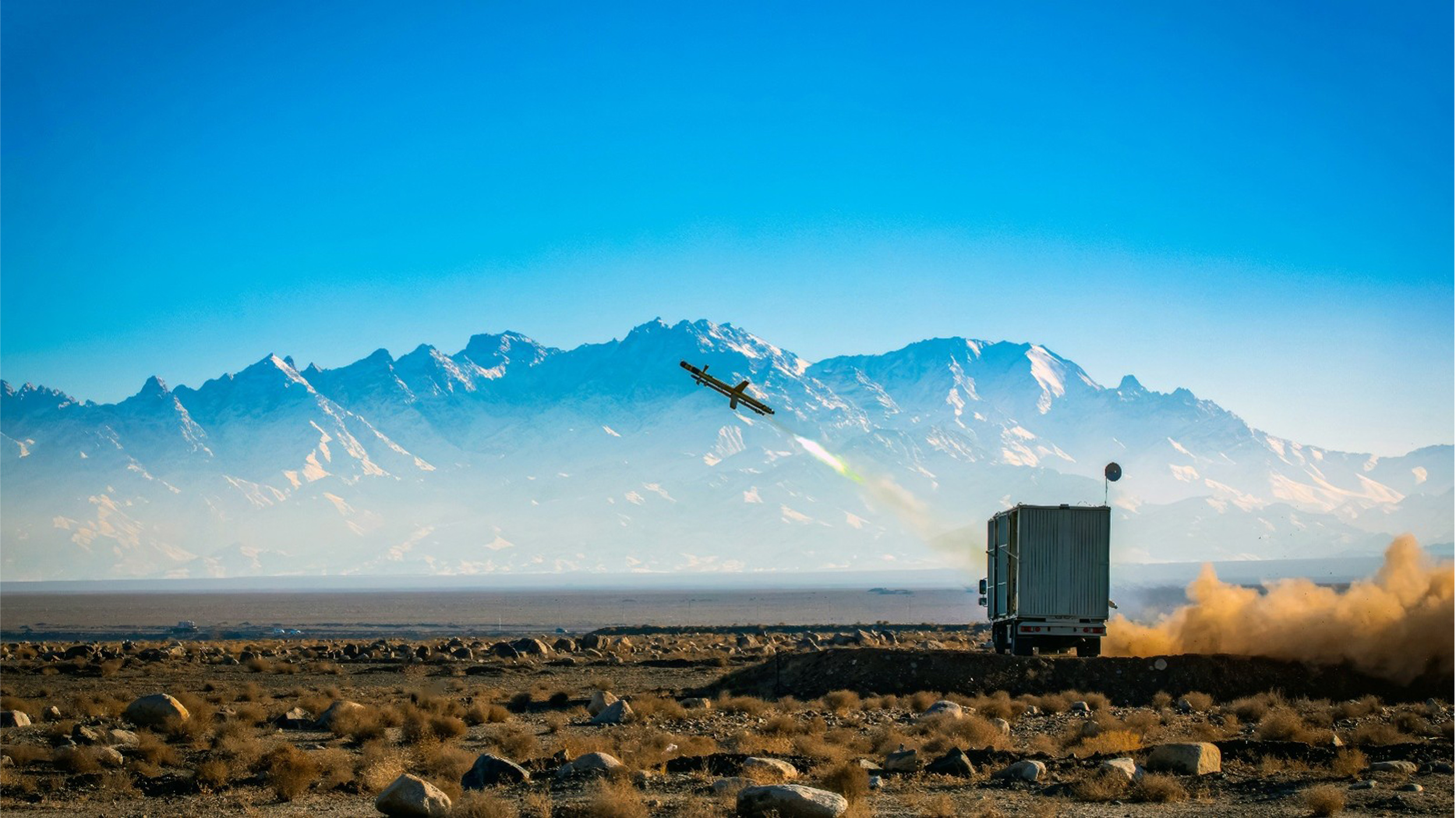
Driven by the exorbitant costs of traditional SAM complexes, Iran is directing short-term investments toward loitering air defence munitions. These weapon types have already proven highly lethal in Yemen; utilising the ‘Type-358’ missile (locally designated ‘Saqr’), Houthi forces have neutralised multi-million-dollar Saudi, American and Israeli drones using interceptors costing less than $100,000.
The manufacturing of these asymmetric weapons relies on commercial microjet turbines and readily available electronic components, in contrast to the complex supply chains of advanced missiles. In addition, they lack massive, highly observable launch platforms. This enables deployment from virtually any mobile or static platform, considerably reducing the success of enemy SEAD operations.
While the kinematic performance and terminal manoeuvrability are inferior to conventional interceptors, their capacity to loiter autonomously over vast areas makes them a highly lethal, unprecedented variable in modern aerial warfare. Highly effective against UAVs, cruise missiles, and, under certain conditions, manned fighter jets, these weapons are ideal for supporting missile launcher units and allowing a sustained rate of fire.
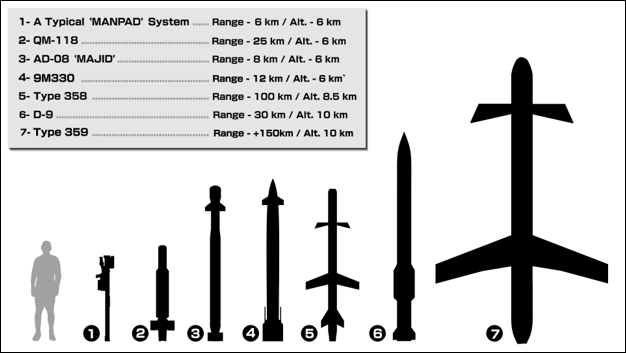
Alongside indigenous initiatives, Iran remains strategically reliant on allied supply chains – particularly those connected to the Russian and Chinese defence industries – to mitigate critical short-term vulnerabilities. Prior to the recent escalations, reports indicated that Iran had signed a substantial €500 million procurement contract with Moscow for large quantities of 9K333 “Verba” man-portable air-defence systems (MANPADS). (5) US intelligence assessments also indicated that Chinese deliveries of MANPADS systems were imminent. (6) The acquisition of advanced short- to medium-range air defence batteries remains a critical priority for Iranian military planners.
The rapid integration of imported interceptors and missile systems, fused with domestic asymmetric innovations – such as the AI-driven modernisation of conventional anti-aircraft artillery guns and the deployment of highly mobile air defence units – will exponentially increase the lethality of localised air defence ambushes in the future. Until a centralised long-range SAM network is fully reconstituted, this decentralised, low-altitude architecture will render Iranian airspace highly dangerous, fundamentally complicating operational planning for any future US or Israeli strike packages.
Iran’s recent defensive milestones are notable not for quantitative interception rates, but for the upward operational trajectory achieved despite severely degraded infrastructural resources. Maturing this defensive doctrine, establishing resilient C2 architectures, and training capable personnel will continue to demand considerable temporal and financial investments.
Iran is projected to eventually pivot back toward conventional air defence development over the medium-to-long term. Iran will also boost its efforts to rehabilitate the IRIAF’s obsolete inventory through Chinese and Russian arms acquisitions. However, asymmetric tactical developments will likely proceed uninterrupted Iran lacks the economic capacity to sustain symmetric parity against American airpower or a hypothetical coalition of regional adversaries.
A Global Challenge
The proliferation of COTS and AI-powered defensive technologies extends beyond the Iranian theatre. State and non-state actors constrained by severe budgetary limitations have significant demand for such asymmetric solutions. Militarised commercial hardware and adapted AI algorithms can provide capable A2/AD capabilities at a fraction of the procurement costs associated with traditional American, Chinese or Russian systems.
Recent combat operations demonstrate that even technologically superior air forces remain vulnerable to these emerging threats. This vulnerability is particularly acute for smaller, less experienced regional militaries. Organisations and militant proxies that previously relied on obsolete anti-aircraft artillery (AAA) and legacy MANPADS can now employ commercially available AI-enabled systems and optical sensors to establish distributed air defence architectures over contested territories.
The profound paradigm shift triggered by Iranian UAV operations in Ukraine could now extend across the global air defence sector. Achieving symmetric parity with Western airpower remains largely unattainable for many states due to significant industrial and economic barriers. However, by employing decentralised passive optical networks and loitering interceptors, both state and non-state actors can develop credible, cost-effective deterrent capabilities.
Following the war in Ukraine, major powers such as the United States have also increasingly focused on reducing air defence expenditures by developing affordable asymmetric solutions to complement their sophisticated, high-end systems. The growing decentralisation of air defence assets through COTS platforms and machine learning-enabled technologies will significantly complicate the operational calculus of military planners worldwide.
(1) Major General Aziz Jaafari, Remarks at the Commemoration Ceremony for Martyr Nilforoushan, IRINN 2 broadcast via Telewebion, 22 October 2024, https://tinyurl.com/4pekubpu (accessed 20 July 2026)/
(2) Eleanor Watson, Olivia Gazis and Kathryn Watson, " Iran war's true cost closer to $50 billion, not $25 billion, U.S. officials say", CBS News, 30 April 2026, https://tinyurl.com/bdd4p3db (accessed 20 July 2026).
(3) " صادرات دفاعی در سال ۱۴۰۱ سه برابر رشد کرد[Defence exports tripled in 1401 (2022–2023)]", DefaPress.ir, 8 February 2023, https://tinyurl.com/yc4dhscj (accessed 20 July 2026).
(4) Amir Bohbot, " סכנה אמיתית לטייסי חיל האוויר: מלחמת הצללים באיראן נחשפת[A Real Threat to Israeli Air Force Pilots: The Shadow War Inside Iran Revealed]", Walla!, 26 March 2026, https://tinyurl.com/4c8fmawa (accessed 20 July 2026).
(5) "Iran agreed secret shoulder-fired missile deal with Russia”, Financial Times, 22 February 2026, https://tinyurl.com/yc37turx (accessed 20 July 2026).
(6) Natasha Bertrand, Haley Britzky and Zachary Cohen, " Exclusive: US intelligence indicates China is preparing weapons shipment to Iran amid fragile ceasefire, sources say", CNN, 12 April 2026, https://tinyurl.com/pbufut58 (accessed 20 July 2026).