

More than a month since the launch of the full-scale offensive by the US–Israeli coalition against the Islamic Republic of Iran, the trajectory of the conflict has become opaquer than ever before. Despite this pervasive uncertainty, it can be asserted with a reasonable degree of analytical confidence that the repercussions of this confrontation have already triggered structural shifts in both the regional and global order. Consequently, a reversion to the pre-war status quo appears increasingly improbable. In these circumstances, the principal analytical task is to map the potential pathways ahead and to delineate the most plausible scenarios that could define the future evolution of the conflict and its wider strategic ramifications.
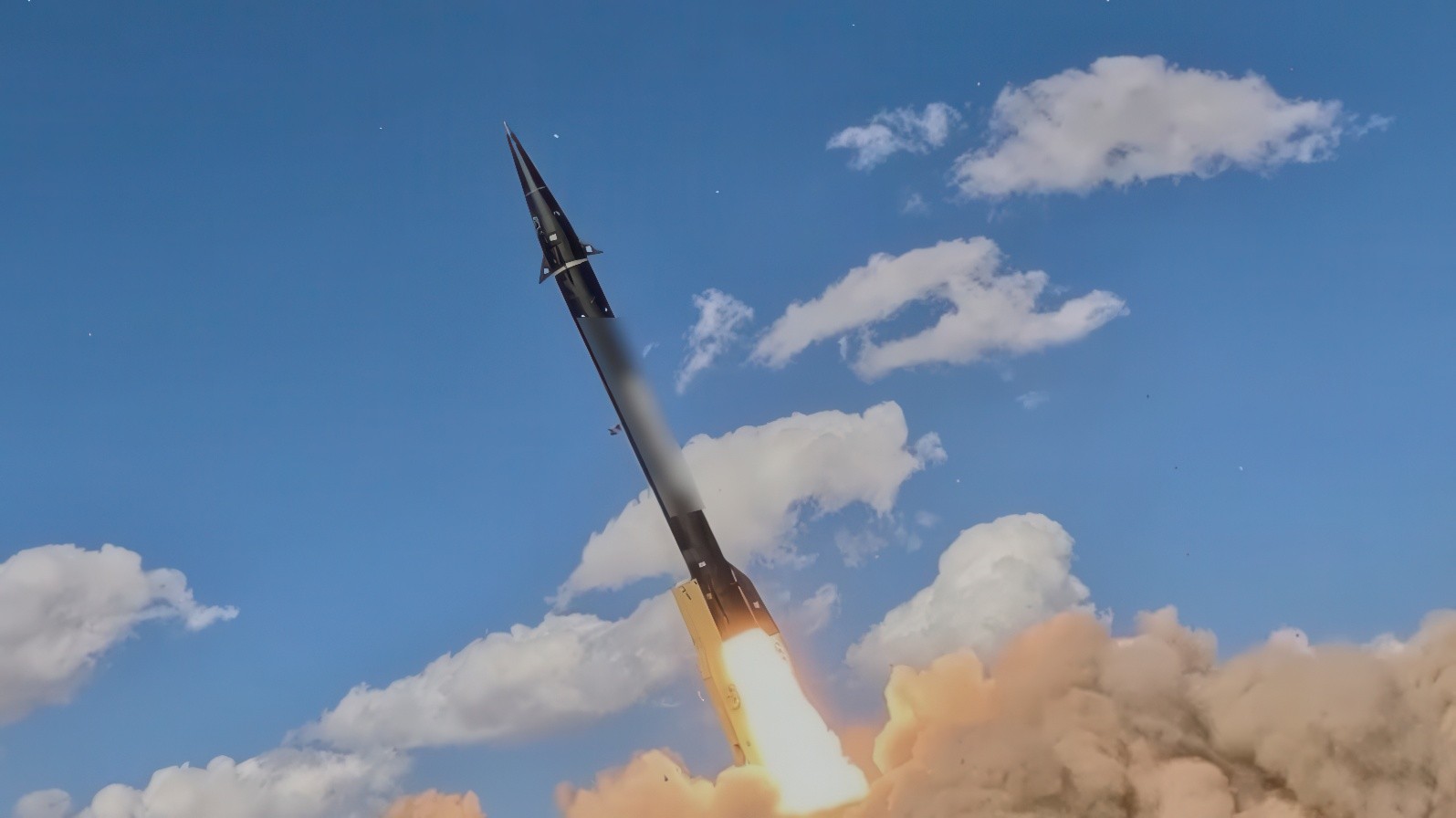
Prior to engaging in any substantive analysis, it is essential to recognise that part of the ambiguity surrounding the war’s outcome can be attributed to a form of strategic disorientation on the part of the United States. This condition can be interpreted through the theoretical lens of Carl von Clausewitz, who posited that war is nothing but the continuation of politics by other means. Accordingly, war is not an autonomous end, but rather an instrument subordinated to political objectives; thus, any assessment of military instruments devoid of their political end-state lacks analytical coherence. Within this framework, any military engagement that is not anchored in a clearly defined and attainable political objective—even if it achieves tactical or operational successes on the battlefield—is, at the strategic level, destined for failure.
In the absence of a precise and transparent articulation of both strategic and operational objectives, confusion within the White House has become increasingly evident. Beyond this, it can be argued that the United States initiated its current military campaign with a degree of haste. Contradictory statements by US officials, strikes targeting Iranian civilian infrastructure, and internal political frictions collectively serve as indicators of this incoherence.
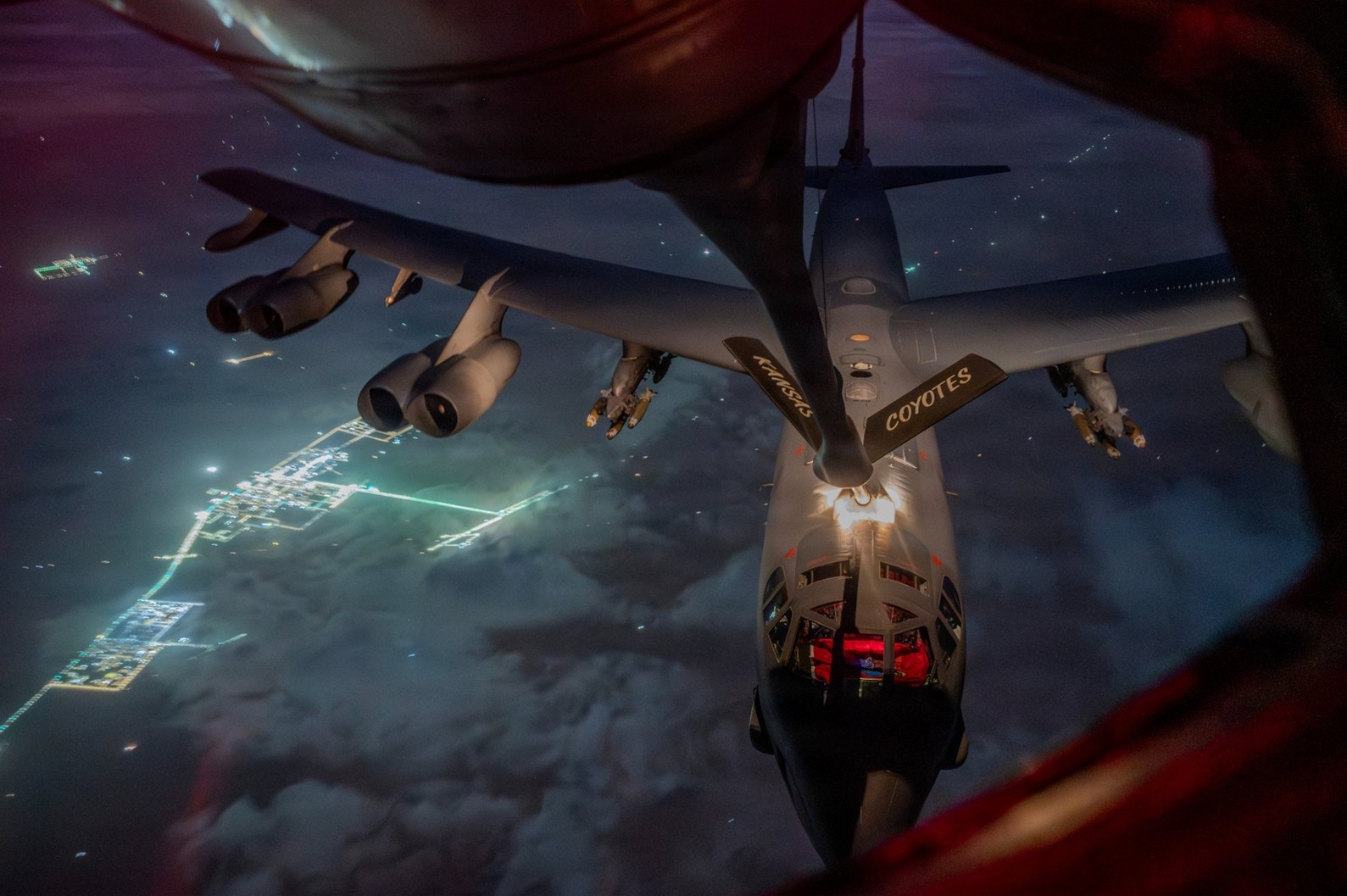
In the weeks leading up to the offensive, the deployment of US military assets within the US Central Command (CENTCOM) area of responsibility was conducted with considerable planning and precision, advancing simultaneously along both defensive and offensive axes. On the offensive front, this included the forward deployment of US Air Force assets—comprising fighter aircraft, aerial refuelling platforms, airborne early warning and control systems (AEW&C), airborne command posts, and signals intelligence (SIGINT) collection platforms—to regional bases, particularly in Saudi Arabia and Jordan, alongside the dispatch of carrier strike groups USS Abraham Lincoln (CSG-3) and USS Gerald R. Ford (CSG-12). On the defensive front, the United States sought to mitigate its vulnerabilities by evacuating well-known military installations in countries neighbouring Iran and reinforcing its layered ground-based air defense architecture.
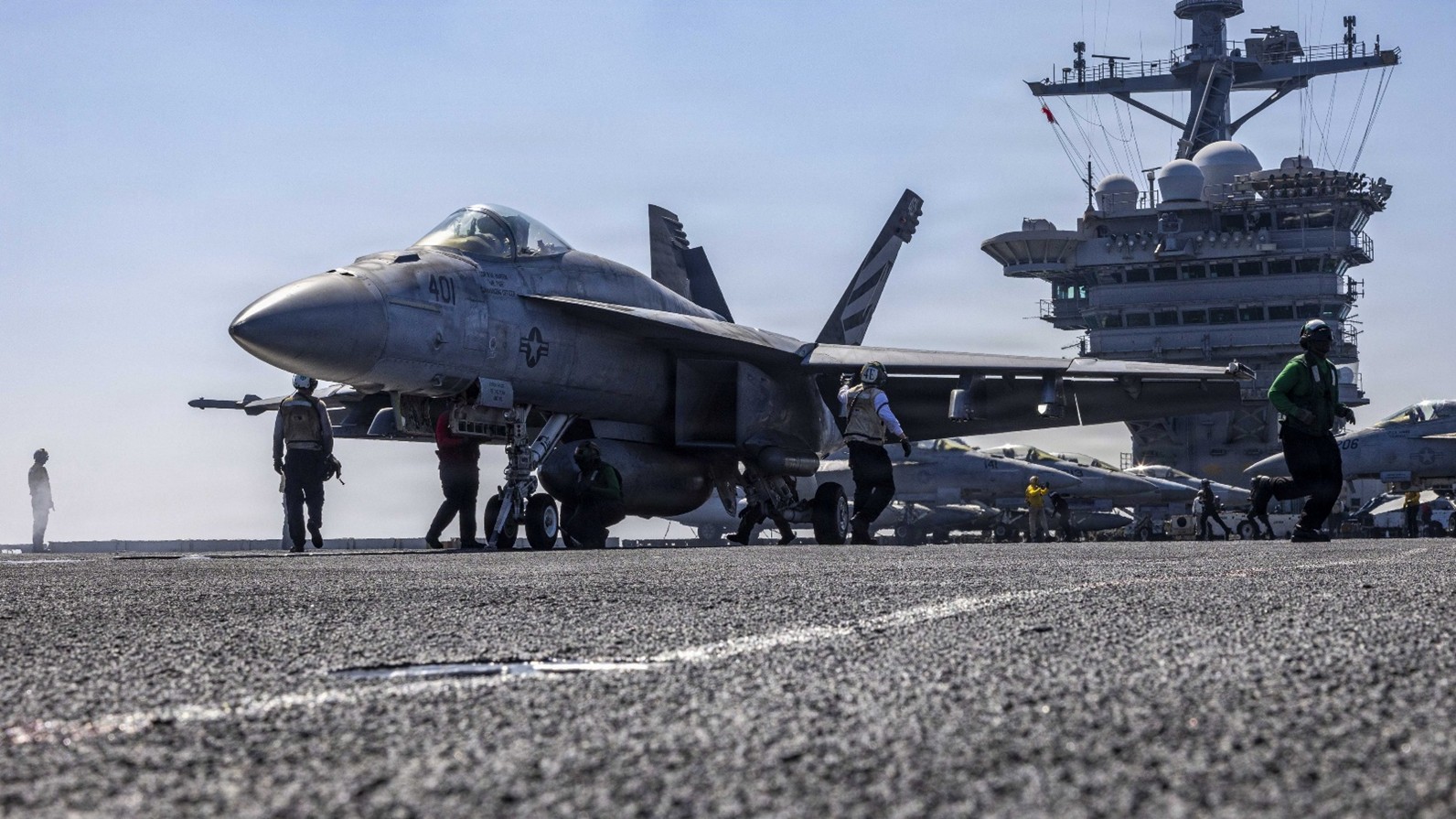
Nevertheless, the persistence of war into the second month has compelled the Pentagon to deploy additional logistics and manpower. The request for a $200 billion supplemental budget from Congress, coupled with the rapid deployment of 10,000 elite personnel—including airborne units and US Marines—after a month of sustained large-scale air operations, suggests that initial planning assumptions have not been fully realised. Reports have even emerged regarding the potential deployment of the USS George H.W. Bush carrier strike group to the Middle East.
The Pentagon’s apparent urgency in initiating the war on 28 February 2026 can be analysed within the context of exploiting a unique operational window of opportunity. The convening of a high-level defence council meeting in Tehran provided a rare and time-sensitive target set. This was followed by extensive airstrikes against the meeting venue within the compound containing the Office of the Supreme Leader of Iran. These strikes not only resulted in the deaths of several senior Iranian commanders but, through a simultaneous attack on the residence of Ayatollah Ali Khamenei, also led to his assassination along with several members of his family.
Despite Tehran once again incurring significant human losses due to the repetition of prior security lapses—previously observed during the 12-day conflict and the targeted killing of senior commanders in the Islamic Revolutionary Guard Corps’ Aerospace Force during a meeting—the strategic objectives of the US–Israeli coalition were not fully achieved. At least within segments of the Pentagon, there had been an expectation that the rapid elimination of senior leadership figures—particularly Ayatollah Khamenei—would precipitate the collapse of Iran’s politico-military structure. It was also assumed that Iran’s military response would remain limited and controlled, as in previous instances. The US President’s call for Iran’s “unconditional surrender” during the first week of the war reflected precisely such initial assessments.
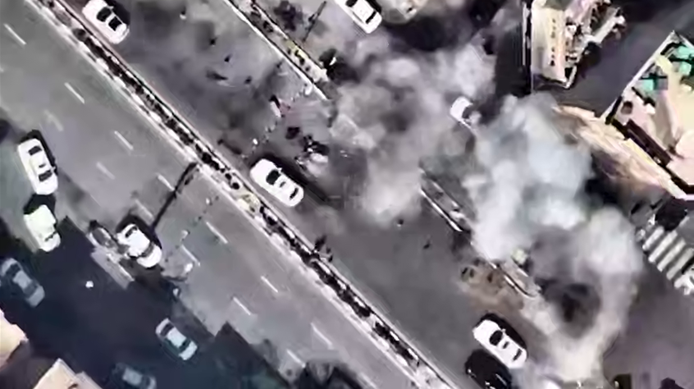
Subsequently, efforts by Israel’s intelligence agency, Mossad, to foment social unrest also failed to yield the desired outcomes. According to longstanding traditions, Iranians mark the last Wednesday of the year—just days before Nowruz—through gatherings known as “Chaharshanbe Suri”, involving bonfires, fireworks and large public gatherings. From the perspective of Israeli security planners, this social context presented a potential opportunity to incite violence and transform public gatherings into street unrest. In this vein, during a specific time window, a portion of Israeli drone strikes focused on targeting security checkpoints to facilitate conditions conducive to internal destabilisation. This poorly conceived plan ultimately failed to achieve its intended objectives.
By the third week of the conflict, as optimistic projections regarding a rapid conclusion lost credibility, and as the shock induced by disruptions to maritime traffic through the Strait of Hormuz imposed additional strain on the global economy, the United States adopted a new approach—supplementing the shock doctrine—in conducting the war, an approach that has persisted to date. This framework, which may be conceptualised as “de-escalation through escalation”, has emerged as a defining factor in shaping the prospective trajectory of the conflict from the American perspective, and it is within this paradigm that future scenarios must be assessed.
On March 18, the Israeli Air Force conducted a strike against facilities in Asaluyeh. The attack, which targeted pipeline infrastructure associated with the South Pars gas field, occurred at approximately 14:10 local time. Although the United States officially denied prior knowledge of the operation and described it as unacceptable, the incident can nonetheless be assessed as a critical inflection point—arguably a point of no return—in the evolution of the war.
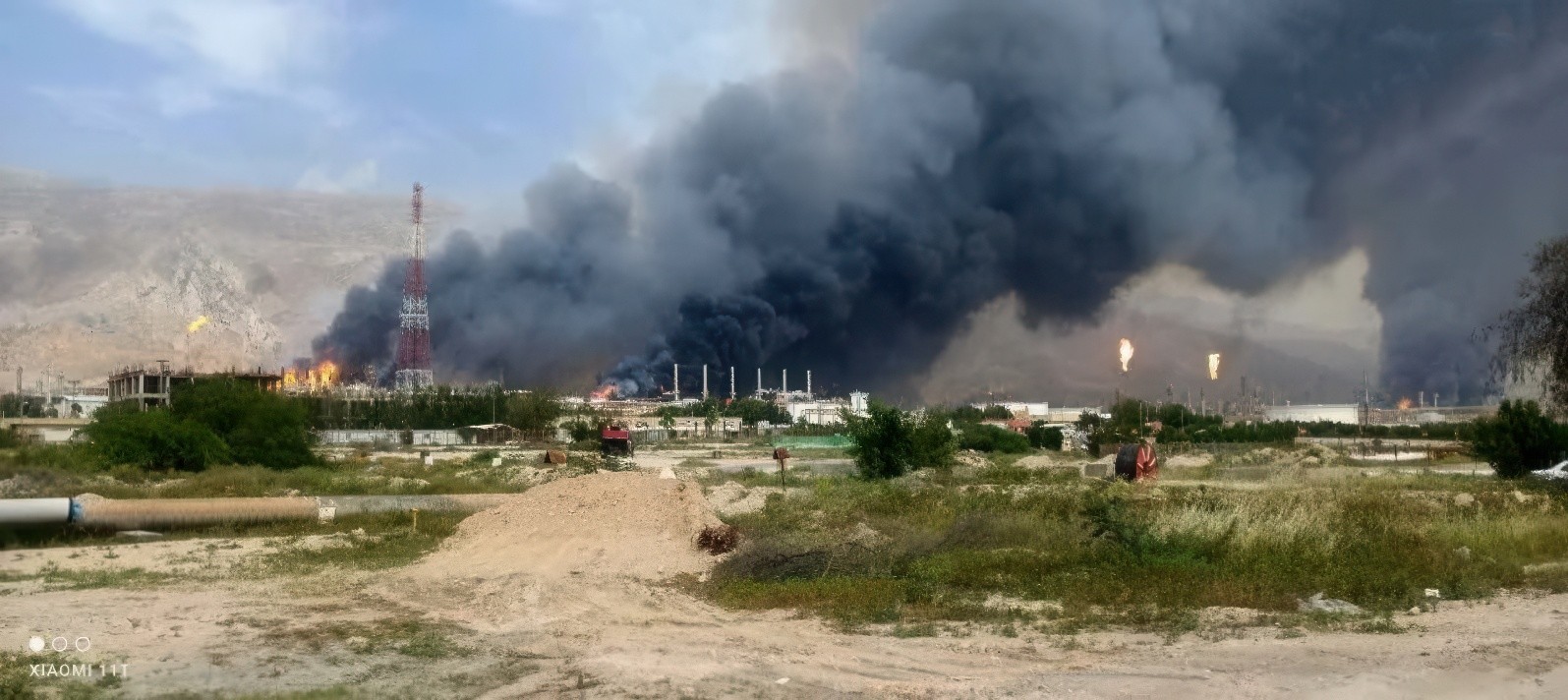
The objective of targeting this critical infrastructure was to convey an explicit message from the US–Israeli coalition to the Islamic Republic of Iran—one that extended beyond purely military aims and effectively constituted an overt threat of initiating a broader infrastructure war against Iran. While Washington appeared to expect that Tehran might adopt a cautious stance or even move toward de-escalation under such pressure, a decisive response was delivered within hours.
In this context, Iranian armed forces carried out a series of calibrated strikes against the Saudi Aramco Total Refining and Petrochemical Company (SATORP) and Jubail regions in Saudi Arabia, the Al-Hasn gas field in the United Arab Emirates, and, most notably, the Ras Laffan industrial zone in Qatar. These attacks resulted in an estimated disruption of at least 17 percent of Qatar’s liquefied natural gas (LNG) export capacity for an indeterminate period.
This response demonstrated Tehran’s determination to sustain the conflict. Consequently, in contrast to earlier periods—when the effects of Iranian actions, whether strikes on regional military bases or even the closure of the Strait of Hormuz, were largely assessed as short-term—this confrontation now carries the potential for long-term, multi-year consequences for both sides. This reality necessitates serious attention from Western policymakers and military officials, particularly among US allies.
Accordingly, any analysis of future scenarios and projections of the war’s outcome must simultaneously account for two fundamental variables. The first is the degree of commitment by the United States and Israel to continue the process of militarily degrading and economically destabilising Iran—even at the cost of inflicting irreversible damage on infrastructure and industrial targets. The second is the emergence of a form of political consensus in Tehran, whereby the acceptance of war termination would be contingent upon credible and enforceable guarantees against the recurrence of similar attacks, as well as the establishment of a clear mechanism for compensation for incurred damages. Absent such conditions, it is evident that in the coming years, recurrent strikes at short intervals targeting Tehran will be pursued with the objective of achieving full politico-economic collapse. Therefore, Tehran now appears to be preparing for a protracted conflict with a multi-month operational horizon.
In an ideal scenario for the White House, the United States may seek—based on its prior assessments and claims—to bring the conflict to a conclusion within a maximum window of six to eight weeks from the initiation of operations. Within this framework, the incumbent administration would define the destruction of Iran’s military-industrial infrastructure at multiple levels, the degradation of its ballistic missile programme, and the weakening of its nuclear programme as its end-state objectives, and on the basis of achieving these goals, declare itself victorious in the campaign.
Although economic pressures and the foreign policy considerations of Donald Trump could render such a scenario partially plausible—particularly with the aim of securing a rapid exit from the conflict and avoiding entanglement in a protracted war of attrition—a set of powerful countervailing and deterrent factors stands in the way of its realisation.
The first issue poses a fundamental question: would Tehran, after absorbing such a scale of damage, be willing at all to place trust in unreliable ceasefire assurances? Within a period of less than a year, Iran has been subjected to two major attacks, leading to a shift in the perception of decision-makers in Tehran regarding the nature of prior negotiations. In this context, a prevailing interpretation has emerged that the pre-war talks—particularly those preceding the 12-day war—were not genuine avenues for de-escalation, but rather instruments of deception and time-buying employed by the Trump administration.
Accordingly, any prospective negotiations are now assessed as serving a similar function. Violation of Iran’s strategic red lines during this conflict has also elevated the nature of the war beyond a purely military confrontation, transforming it into an existential struggle. Consequently, the decision-making framework in Tehran is no longer defined solely by tactical or even operational considerations, but rather at a higher level by the perception of a fundamental threat to the survival and continuity of the country’s politico-security structure—an evolution that inherently constrains flexibility in accepting a ceasefire or compromise.
The second issue pertains to the reaction of regional states to such a decision. Arab governments would face a critical dilemma: whether they can accept Iran in the condition of a “wounded tiger” in their immediate neighbourhood, while the United States effectively distances itself from direct security commitments, substituting them with assurances such as the provision of more advanced weapon systems. States that have participated—directly or indirectly—in strikes against Iran, even beyond the framework of their defensive commitments to Washington, are fully aware that this level of involvement will not be without long-term consequences and will be noted in Tehran’s future strategic calculations.
The third issue concerns Israel’s position regarding any potential ceasefire. Israel has effectively been engaged in a sustained state of war for approximately two years. While the continuation of this situation may, from certain analytical perspectives, be interpreted as a mechanism for managing or deflecting internal challenges, polling data indicates that a significant portion of the population in the occupied territories continues to support the continuation of the war. Under such circumstances, Israel can be regarded as one of the principal obstacles to any form of compromise—a strategic actor that stands to benefit not only from the weakening of Iran, but also from the gradual attrition of Arab states throughout this process, unless it is directly constrained by the United States.
The United States may still seek to test its prospects through targeted assassinations of political and military officials. As previously observed, dozens of prominent figures—including Ali Larijani, Secretary of the Supreme National Security Council—were assassinated in coordination with Israel. Nevertheless, the trajectory of Iran’s military operations within a defensive framework has continued uninterrupted. Predefined operational directives governing the conduct of the war remain in place and are not fundamentally disrupted by the elimination of key individuals.
In this regard, it is important to note that such a situation is not unprecedented for Tehran and is not its first experience confronting the physical elimination of senior officials under wartime conditions. During the Iran-Iraq War, particularly following the removal of Abolhassan Banisadr from office, the People's Mojahedin Organisation of Iran entered an armed phase of confrontation. This period is widely regarded as one of the bloodiest phases of political violence in modern Iranian history, during which a number of prominent figures were targeted in terrorist attacks, including Mohammad Ali Rajai, Mohammad Javad Bahonar and Mohammad Beheshti, alongside dozens of religious authorities, government officials, members of the judiciary, and military personnel.
Ultimately, in light of the factors outlined above, a rapid US exit from this campaign would be contingent upon the emergence of a form of mutual understanding between Tehran and Washington—one capable of consolidating a minimum set of interests and red lines for both sides within a credible and enforceable framework. However, as long as the United States is not prepared to offer concrete and measurable concessions within the context of a viable agreement, the alternative will remain the continuation of a pressure-based approach—one grounded in the application of instruments of power across multiple domains, aimed at compelling Tehran to revise its strategic calculations.
In the weeks ahead, the US–Israeli coalition is expected to progressively expand the scope of its operations toward Iran’s economic infrastructure. Early indications of this approach are already visible in airstrikes targeting significant segments of Iran’s steel industry. This trend may extend in a cascading manner to other critical sectors of the economy, including power generation facilities, core infrastructure such as bridges and road networks, cement production plants, and even mining operations. At the strategic level, the objective of such actions is to generate broad-based economic pressure and, subsequently, incite social discontent with the aim of compelling the governing system to accept terms of capitulation. In response, Iran’s reaction to such a scenario can be assessed as largely predictable: corresponding infrastructure across the region—particularly those established through direct or indirect US investment—will be subjected to reciprocal military action.
Under conditions in which Tehran has succeeded in maintaining an effective rate of fire in both its drone and missile domains, while signs of strain in defensive missile inventories—particularly anti-ballistic interceptors—are emerging on the opposing side, Iran may gradually acquire the capacity not only to threaten US economic interests in the region, but also to directly target Israel’s economic infrastructure. In this context, the 2 April missile strike against the Segula industrial zone and the destruction of a facility belonging to Aerosol—a company active in the production of quadcopters, reconnaissance UAVs and loitering munitions—can be assessed as the first documented instance of effective Iranian strikes at this level. The scope of this attack could, if necessary, expand to more critical infrastructure such as power generation facilities. Part of this effectiveness can be attributed to Israel’s policy of rationing anti-ballistic interceptor missiles—a condition that, if the conflict persists, is likely to face serious constraints in the short term with respect to replenishment.
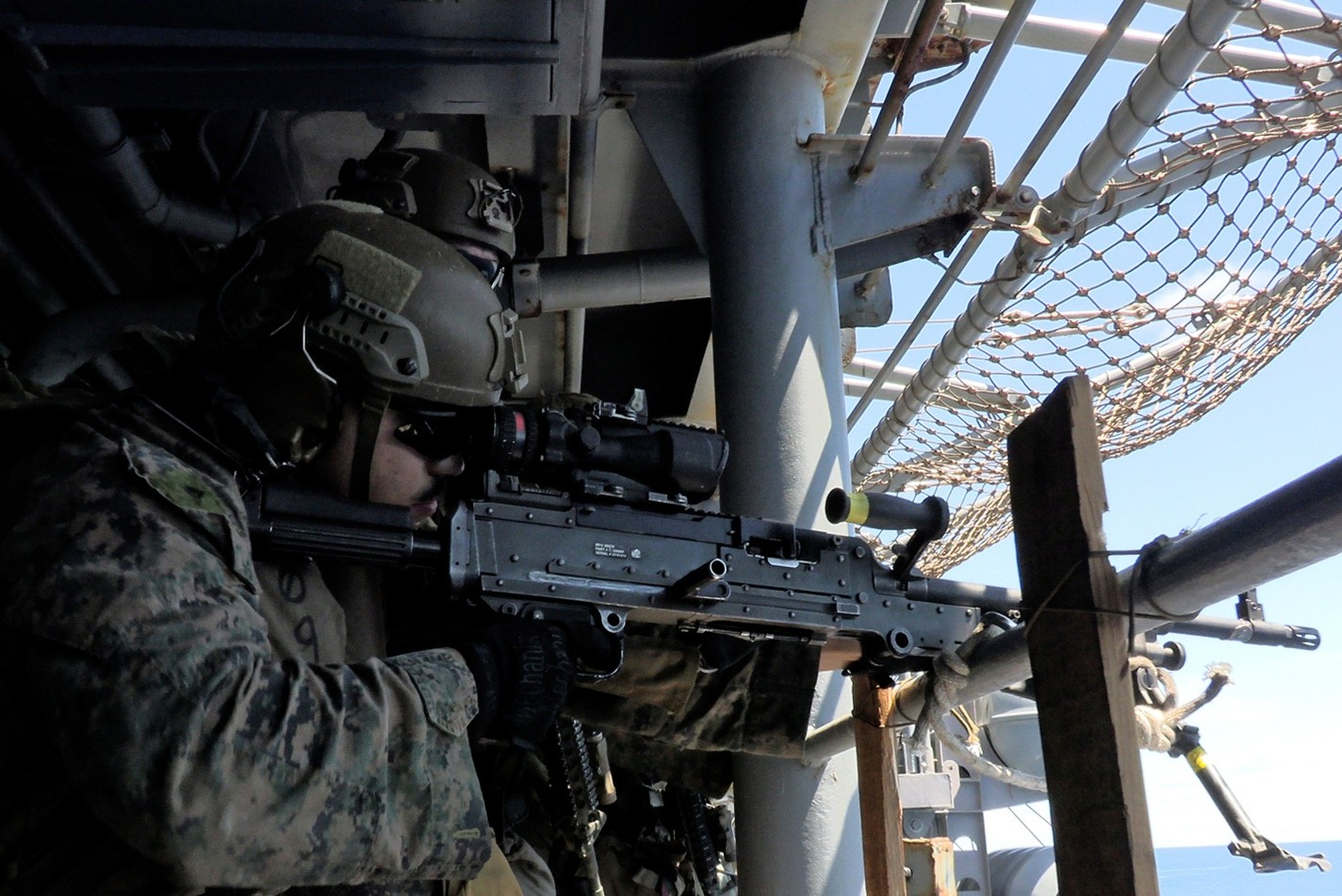
While the balance between offensive and defensive missile capabilities is gradually shifting in Iran’s favour, one plausible scenario—though not as a standalone solution, but rather as a complementary option—would involve the employment of special operations forces. Units operating under the command of United States Special Operations Command, currently deployed in the Middle East, could be tasked with executing a series of targeted operations aimed at suppressing or disrupting Iranian missile bases.
While these facilities demonstrate considerable resilience against aerial bombardment, they remain, from the standpoint of internal vulnerabilities, potential targets for infiltration and sabotage operations. Indeed, CENTCOM has already sought to complement airstrikes on tunnel entrances by employing BLU-91/B munitions to mine the surrounding areas of such installations. The execution of such a scenario, despite its inherently bold character, can be conceptualised within an acceptable risk framework—particularly given that portions of Iran’s missile infrastructure are located along the country’s southern littoral, in relatively close proximity to the coastline, thereby reducing operational risk for attacking forces compared to deeper inland targets. Nevertheless, such operations cannot be conducted entirely beyond the detection capabilities of Iranian defensive forces.
Finally, one of the decisive variables that may persist even beyond the formal termination of hostilities is the issue of control over the Strait of Hormuz. Within this context, some analysts argue that as long as Iran retains effective control over this strategic waterway, the United States will be unable to credibly claim victory, and the strategic implications of this condition will endure for years. While White House officials assert that the United States does not maintain direct dependency on oil transiting through this route and that energy market volatility would be limited to short-term effects, the reality is considerably more complex. Beyond China, a substantial portion of the United States’ Asian allies rely heavily on Middle Eastern energy supplies, and any disruption in this chain would indirectly impact the US economy. Among these, Japan represents one of the most vulnerable cases, importing over 90 percent of its oil from the Middle East, with approximately 70 percent of that volume transiting through the Strait of Hormuz. Under such conditions, an increase in interest rates by the Bank of Japan in response to rising energy prices—or, in other words, an appreciation of the yen against the dollar—could generate far-reaching consequences for the global economy, directly affecting equity, bond and real estate markets.
Under the combined influence of the strategic importance of this waterway and pressure from regional Arab states, the United States may resort to military measures aimed at reopening the Strait of Hormuz.
Among the potential scenarios regarding the Strait is, once again, the seizure of Kharg Island. The island’s significance derives from its role in facilitating approximately 90 percent of Iran’s oil exports, thereby rendering it a potentially effective instrument of coercive leverage. However, as previously noted, operational considerations indicate that both the seizure and, more critically, the holding of the island would entail substantial challenges. Its proximity to the mainland and the absence of natural defensive features expose it to persistent vulnerability. Although the presence of sensitive oil infrastructure may constrain the scale of Iranian firepower, any attempt to seize the island would necessitate the deployment of layered air defence systems, the establishment of fortified defensive positions, and sustained air support by the attacking force. Even so, it must be emphasised that the capture of Kharg Island, absent control over the Strait of Hormuz, would lack full strategic utility and, at best, could serve as a bargaining instrument in future negotiations.
Similarly, the seizure of islands overlooking the Strait of Hormuz—including Abu Musa, Greater Tunb, Lesser Tunb, Larak, Hormuz and Qeshm— has been considered as potential operational objectives. From a military standpoint, islands located at greater distance from the Iranian mainland, such as Abu Musa, are assessed as relatively easier to seize, whereas islands such as Qeshm, due to their proximity to the mainland and operational characteristics similar to Kharg, present significantly greater complexity. However, even if such objectives were achieved, control of these islands alone would not suffice to fully reopen the Strait, given that a substantial portion of Iran’s offensive capabilities—particularly in the domains of UAVs and anti-ship missiles—are projected from within the country’s interior.
In general terms, any direct military intervention in the Strait of Hormuz could trigger a new phase of attritional conflict over a one- to three-month horizon, without necessarily yielding a decisive outcome. Moreover, under current conditions, a form of “selective control” is being exercised over the Strait; a complete physical blockade has not been implemented, and vessels belonging to non-hostile states are permitted safe passage upon authorisation. By contrast, any US military action could fully disrupt maritime traffic for several weeks, and in the event of extensive mine-laying operations, such disruption could extend for months.
Beyond energy transit, this maritime corridor plays a critical role in the movement of less visible yet strategically vital commodities such as helium, sulfur and urea—materials that are indirectly essential for advanced industries, including semiconductor manufacturing, rare earth extraction, and industrial cooling systems, and directly critical for agriculture. As such, disruption of this route could affect global supply chains at levels extending well beyond the energy sector. Such a scenario would carry significant consequences for European allies dependent on liquefied natural gas and Asian economies reliant on crude oil, a factor that has thus far contributed to the absence of meaningful support for an international military campaign in this waterway.
Ultimately, the most probable trajectory for the United States may be a composite of the aforementioned scenarios. It appears that Washington will, at least until the completion of the deployment of additional forces and equipment to the region, refrain from direct large-scale engagement in the Strait of Hormuz and instead focus on strengthening political and economic pressure mechanisms within the framework previously outlined.
As noted at the outset, war can be conceptualised as the continuation of a negotiation process in which military instruments serve the realisation of political objectives. From this perspective, the nature of the conflict resembles less a temporary confrontation and more a prolonged war of attrition. Nevertheless, the Trump administration appears to have initially pursued a rapid and short-term victory—akin to its approach in Venezuela—but has, in practice, become entangled in a protracted and attritional conflict that imposes a fundamentally different strategic logic and set of requirements.
As this trajectory unfolds, the United States is targeting infrastructure and civilian objects in an effort—reminiscent of the approach used during the Kosovo War—to raise the costs of conflict for Iran across multiple domains and influence Tehran’s political decision-making. In turn, Iran has leveraged countervailing instruments—most notably the strategic leverage of the Strait of Hormuz and strikes against US regional interests and partners—to maintain a balance of pressure.
On this basis, it can be estimated that the conflict will persist for at least another month. Should the current trends continue, the volume of unrealised oil production could approach one billion barrels; and by the end of April, tangible signs of an energy crisis are likely to become increasingly evident across the economies of Asia, Africa and Europe. At the same time, the continuation of high-risk and accelerated actions by the United States may further exacerbate the conflict, creating a scenario in which not only adversaries but also US allies are exposed to escalating costs stemming from this state of strategic disorientation.