
Introduction:
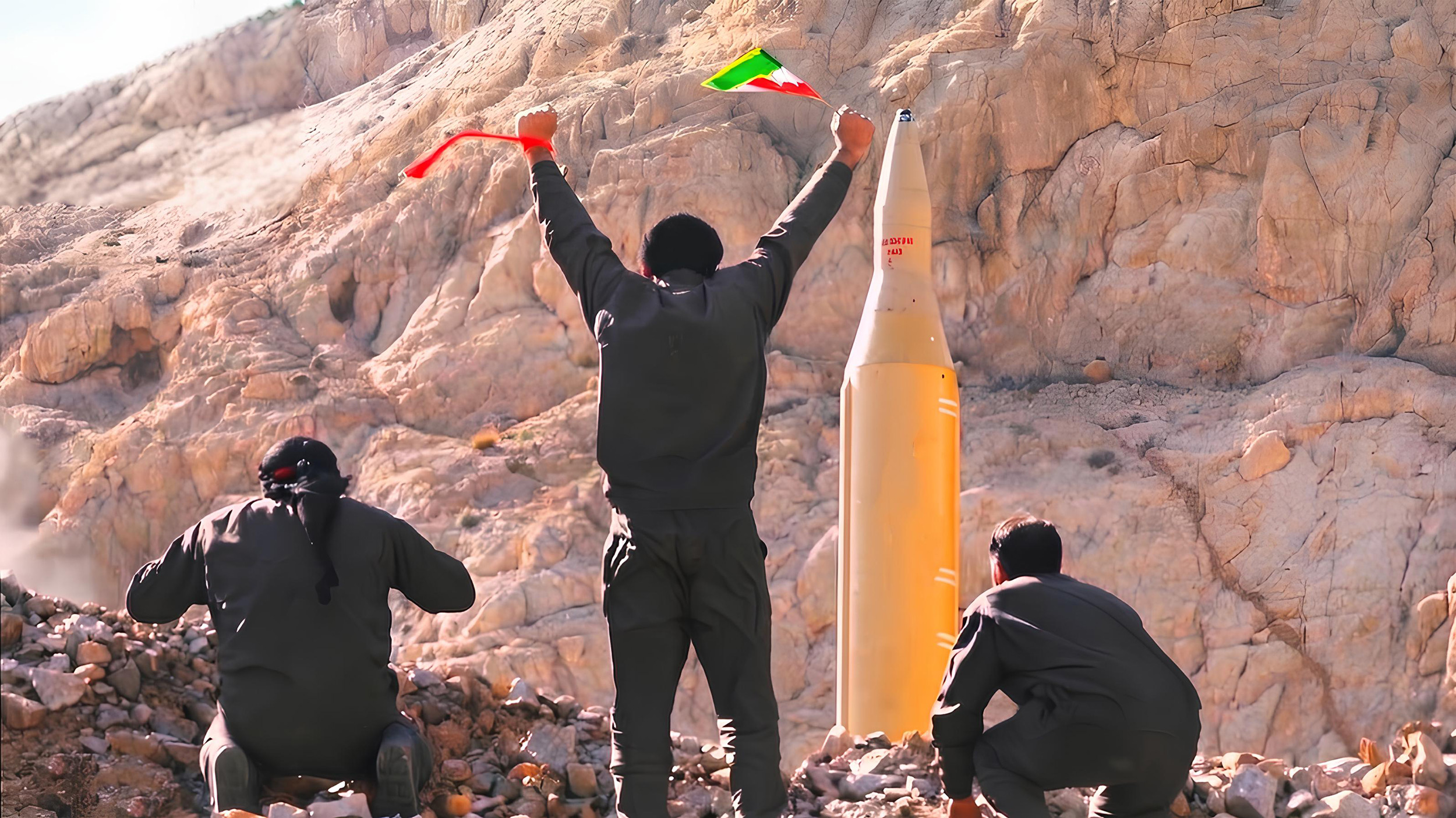
The strategic confrontation between Iran, on one side, and the United States and Israel, on the other, has entered a new and uncertain phase following the full-scale military conflict of early 2026. The joint U.S. and Israeli operations, designated Epic Fury and Roaring Lion, respectively, inflicted significant damage on Iran's military capabilities and strategic infrastructure but failed to dismantle the foundations of its conventional deterrence or produce a decisive political outcome. Consequently, the central drivers of the confrontation, particularly Iran's nuclear trajectory and the Strait of Hormuz, remain unresolved.
The environment has since evolved beyond the battlefield. The shifting domestic political landscape in Washington following the November 2026 elections has introduced new constraints on the Trump administration, potentially raising the costs of a prolonged confrontation and influencing Tehran's strategic calculations.
The central question is therefore whether the military, economic, and political costs of renewed hostilities will push both sides toward a negotiated settlement or preserve the current stalemate, or whether Washington and Tel Aviv will seek to overcome the limitations of the previous campaign through a different and potentially more extensive military strategy?
Rumblings of a New War and the Military Posture of the U.S.–Israeli Axis
Speculation about a renewed U.S. military campaign against Iran intensified as reports emerged that Donald Trump was considering further strikes after the November midterm elections.(1) These concerns were reinforced by statements from the U.S. ambassador to Turkey suggesting that military action could resume in the near future.(2) Meanwhile, Israeli fighter aircraft reportedly conducted exercises involving deep penetration into Iraqi airspace, while Prime Minister Benjamin Netanyahu publicly threatened Tehran with another military confrontation and even raised the prospect of regime change.(3,4)
These statements coincide with a concerted effort by the United States to significantly bolster its military posture. The deployment of new warships to the CENTCOM area of responsibility, alongside a fresh wave of heavy cargo flights, reflects this trend.
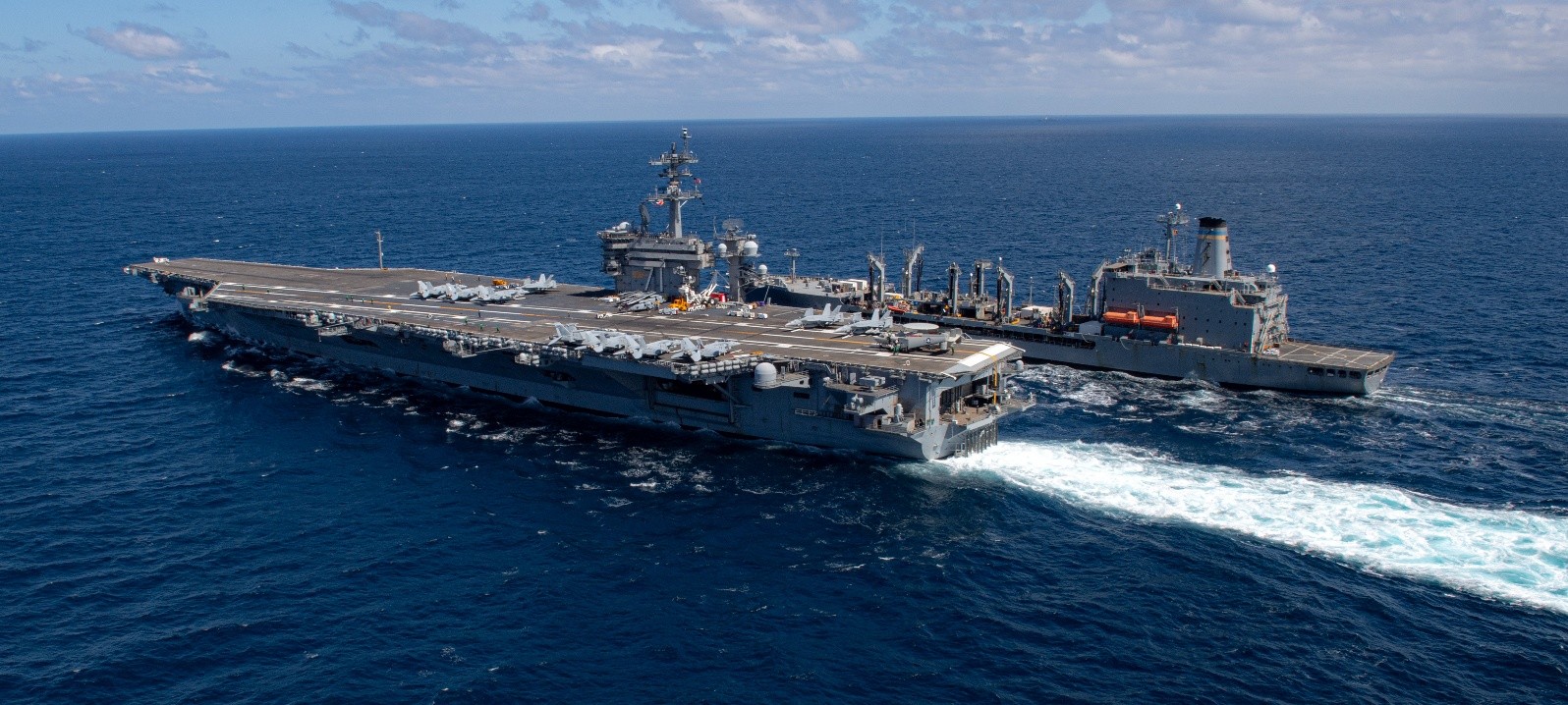
In the maritime domain, the Pentagon has dispatched the aircraft carrier USS Theodore Roosevelt (CVN-71) and the amphibious assault ship USS Makin Island, to the operational zones of the Fifth Fleet and CENTCOM to provide sustained strike options for any potential contingency. (5) By late November, this naval group is scheduled to join the USS George H.W. Bush (CVN-77) and USS George Washington (CVN-73), potentially bringing the number of carrier strike groups deployed to the Middle East to three, provided none of them return to their respective homeports in the meantime. (6). There are growing reports of a potential CENTCOM offensive operation in the aftermath of the midterm elections, coinciding with the deployment of three U.S. aircraft carriers to the region. (7)
Simultaneously, tracking data of C-17 transport aircraft indicates that multiple sorties have been launched from the United States toward the region, with three flights landing directly at the Ovda Air Base in the southern occupied territories. (8) This facility, which hosted eleven F-22A Raptor stealth fighters and at least one Patriot air defense battery immediately prior to the February 28 war, is now reportedly re-stationing a new battery. (9)
U.S. drone activity in the Strait of Hormuz region has also reportedly increased significantly. In a series of recent incidents, Iranian military sources have claimed to have intercepted or brought down multiple U.S. unmanned aircraft, including MQ-9 Reaper and MQ-1 Predator drones, as well as MQM-170 reconnaissance drones and LUCAS one-way attack UAVs. (10,11,12)
Taken together, these developments point to heightened military preparedness by Washington and Tel Aviv and possible renewed confrontation. The consequential question is what objectives a renewed campaign would pursue and how its operational design would differ from that of Operation Epic Fury. If the U.S. president has previously maintained that Washington achieved its military objectives, (13) what strategic rationale would justify another round of hostilities?
Challenges in the Western Camp
The primary dilemma facing Washington and Tel Aviv is that the strategy employed in Operation Epic Fury may no longer be effective. (14) Several months after the cessation of hostilities, Iran has recovered a significant portion of its military capabilities. (15) While the severe damage inflicted upon Iran's military-industrial facilities and ballistic missile production lines—alongside the extensive degradation of its air defense network and naval fleet—remains undeniable, (16) Tehran has concurrently cleared rubble from its underground bases in recent months, in some instances excavating new entrances. (17)
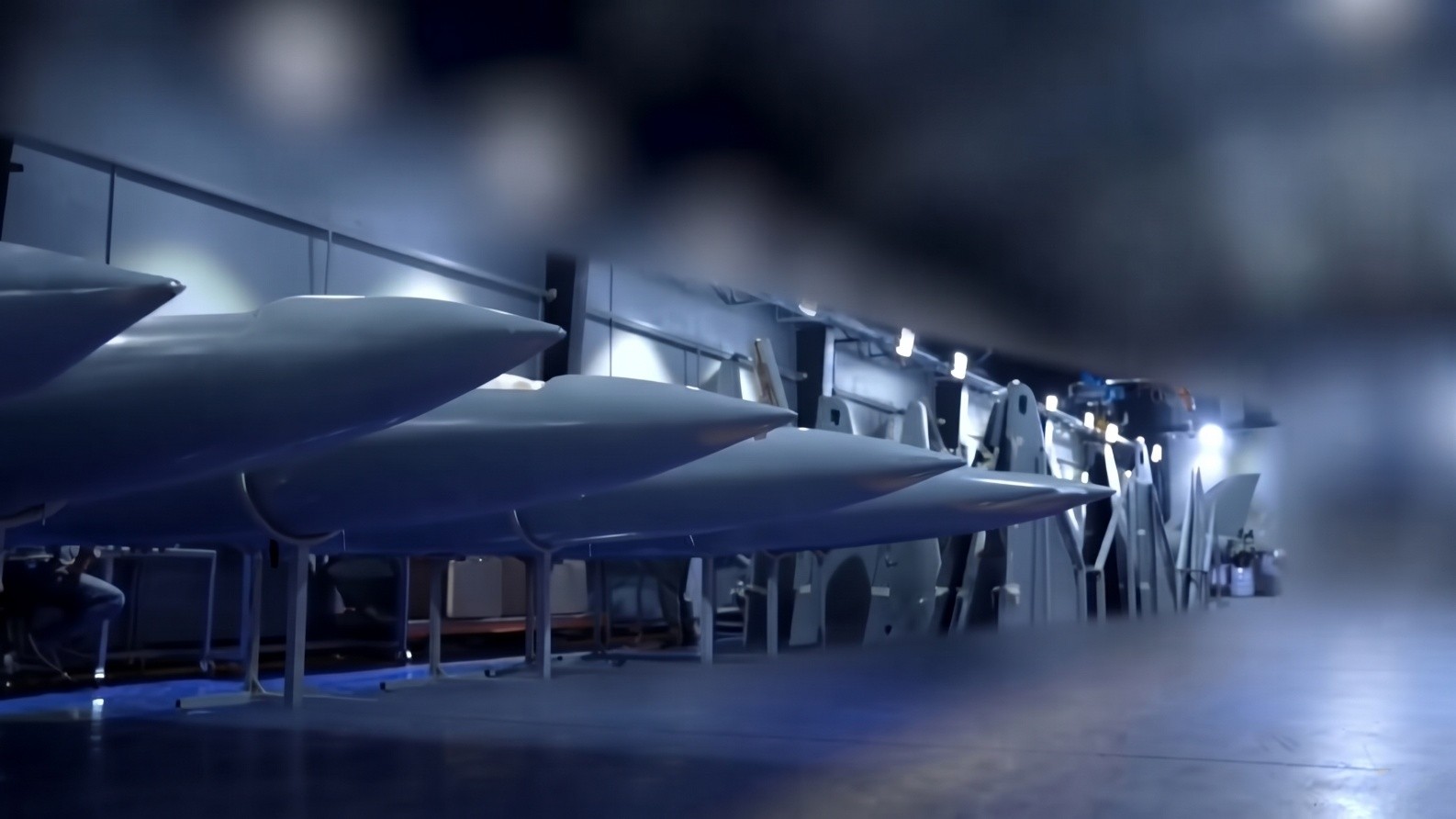
Furthermore, the production of low-cost Iranian weaponry has partially continued. In this regard, the recent unveiling of underground facilities for manufacturing the Arash suicide drones—which, alongside the Shahed-136 family, form the backbone of long-range strikes—demonstrates that Tehran has been capable of regenerating a fraction of its offensive capacity. (18)
Repeating the operational model of the previous round of war would therefore prove problematic. If Iran retains the operational capacity to launch ballistic missiles and long-range drones, inflicting fresh damage on its military infrastructure will not necessarily equate to the termination of reciprocal threats.
This is particularly true given that, constrained by finite stockpiles of U.S. offensive and defensive munitions, entering a war of attrition could prove increasingly costly and hazardous, (19) inflicting substantial damage on the military and economic interests of the United States and its regional allies.
To achieve a different outcome, Washington is compelled to revise its objectives, scale, and operational pattern compared to the previous round of conflict. Considering these constraints, what war options lie ahead for Washington?
War Options: Paralyzing or Devastating?
Recent speculations point to the possibility of executing heavy, intensive, and fast strikes. (20) These operations aim to deliver severe blows to Iran within a short timeframe, ensuring Tehran lacks sufficient opportunity to organize a counter-response and enter a war of attrition. Accordingly, it can be suggested that the current administration in the White House views a new round of military and economic campaigns as an instrument to rapidly impose an agreement on Iran and pave the way for exiting the conflict from a position of victory. (21)
However, another perspective also exists in this regard, predominantly observed among certain Israeli politicians and hardline factions in the United States. Although different interpretations of this approach can be offered, its overarching formulation rests on the assumption that even in the event of a victorious U.S. exit from the conflict, Iran would still retain the capacity to rebuild its capabilities. (22) Tehran could within a few years revive its military and regional programs—which these factions view as a threat to Israel— (23) and on the other hand, the continued presence of a powerful Iran in the Middle East cooperating with China and Russia could challenge U.S. strategic interests not only in Southwest Asia, but also within the framework of the international order and the strategic landscape of the new century. (24) Consequently, at a minimum, this perspective seeks to inflict irreversible damage on Iran, and at a maximum, aims to overthrow the established political structure within the country. (25,26)
The distinction between these two approaches is not always clear-cut. The common denominator of delivering swift, paralyzing blows versus extensive, devastating attacks could be the targeting of Iran's industrial and urban infrastructure. Amidst this, the steel, copper, and aluminum industries, alongside the power grid, could fall among the primary targets. (27)
The intensity and scope of attacks on this infrastructure will vary across each of the potential scenarios. In the limited scenario, attacks can be designed with the objective of increasing psychological and economic pressure on society, intensifying public discontent, and compelling Tehran to return to the negotiating table. (28) Conversely, the broader scenario could encompass continuous strikes against industrial centers and critical infrastructure. (29) These are attacks that, in addition to disrupting the country's production cycle and economy, inflict damages that may require several years of time and massive investment to repair.
For instance, cutting gas transmission lines to power plants or directly attacking power plant generators can both lead to disruptions in electricity production, yet they will entail differing consequences in terms of the scale of damage and the time required for reconstruction. This logic can be extended to other civilian infrastructure as well; meaning that even if the ultimate outcome of an attack is identical—namely, the disruption of service delivery or the suspension of a vital sector's activity—the choice of target can create a dramatic difference in the scope of damage and the timeframe for reconstruction.
Beyond military capabilities, the outcome of the U.S. midterm elections will also influence the degree of strategic coordination between Washington and Tel Aviv. (30) This does not necessarily imply a reduction in U.S. military support for Israel; rather, it could widen the gap between Washington and Tel Aviv over the scope, timing, and ultimate objectives of any renewed military action. In particular, should the Israeli government seek to sustain military operations and further expand the scope of the conflict, Washington may be more inclined to limit its direct involvement and avoid being drawn into another prolonged military engagement. Such differences, however, are not new and have been evident before. (31)
How Tehran Thinks?
In line with Western threats, reciprocal warnings from Tehran indicate that military commanders assess the probability of entering a new phase of combat as very high. (32) Amidst statements by Iranian officials regarding the likelihood of a new round of war and its consequences, the recent positions of the Supreme Leader of the Islamic Republic are of particular significance.
According to Iranian media, the Supreme Leader met with senior commanders of the armed forces on October 31. Part of the published remarks from this meeting reads: "Intelligent combat readiness for a powerful confrontation with enemies is a prerequisite for maximum deterrence, and every level and type of threat must be met with an immediate, effective response without geographical limitation." (33) This stance can be regarded as transcending a routine political warning and serving as a direct alert for operational readiness at the highest level in Iran.
Part of Tehran's core power structure still views the ongoing conflicts as a threat to the survival of the political sovereignty of the Islamic Republic. (34) Although the consolidation of Ayatollah Mojtaba Khamenei's succession has reduced the level of concern, deep skepticism regarding the intentions of the American side in any negotiations persists. (35) Therefore, while achieving some form of peace through intermediary parties is possible, reaching a long-term agreement under current conditions is likely impossible. (36) Conversely, in any military scenario, dragging the United States into a regional and protracted war is desirable for Tehran. (37)
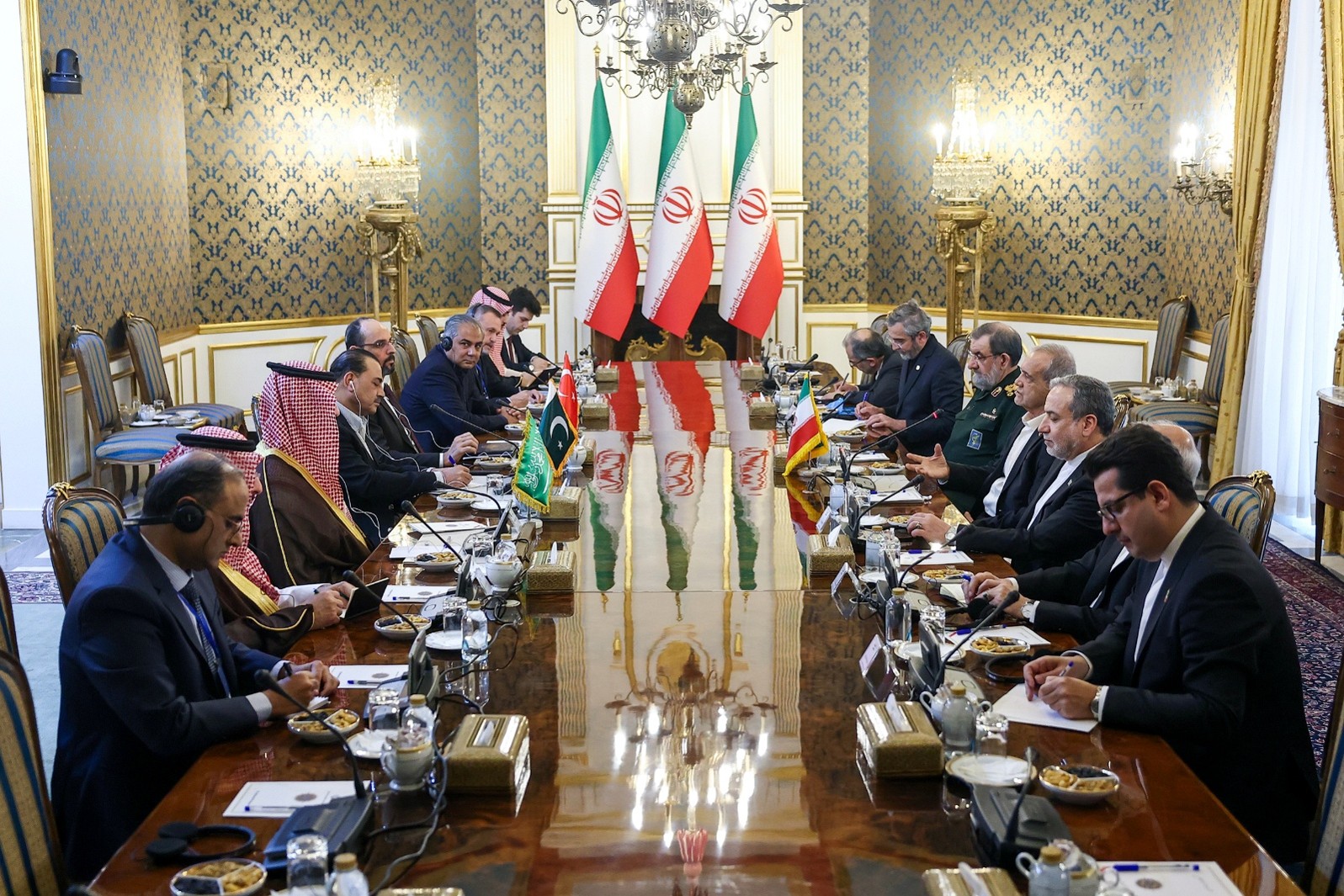
Within this framework, the quadripartite meeting of senior officials from Iran, Saudi Arabia, Pakistan, and Turkey held in Tehran on October 26 is notable. This meeting—attended by Mohsen Rezaei, Secretary of Iran's Supreme National Security Council; Khalid bin Salman, Saudi Minister of Defense; Field Marshal Asim Munir, Chief of Army Staff of Pakistan; and Ibrahim Kalin, Head of Turkey’s National Intelligence Organization—marked the first high-level contact between Tehran and the three member states of the Mecca Defense Pact. (38) These security shuttles, alongside the intensive mediations of Qatari delegations, (39) corroborate the point that, from the perspective of regional countries, the threat of war is serious; simultaneously, these nations are striving to keep the scope of the conflict's fire contained and to presumably evade economic damages. (40)
Tehran may also interpret the outcome of the U.S. midterm elections as reinforcing the value of its strategy of strategic patience and political pressure on Washington. (41) The Republican defeat came amid growing voter dissatisfaction with the war in Iran and its economic repercussions, particularly rising energy costs. (42)
Iranian policymakers may calculate that maintaining the current stalemate and avoiding a rushed agreement could gradually increase the political costs of the conflict for the Trump administration, potentially improving Tehran's bargaining position over time. From this perspective, the prospect of a politically constrained Washington may encourage Tehran to preserve the status quo rather than make concessions under pressure. (43)
This assessment, however, is subject to a fundamental uncertainty as Democratic control of Congress does not automatically translate into a shift away from the policy of maximum pressure on Iran.
For this very reason, Iran's Supreme Leader emphasized in a separate message dated November 4 that: "If there are still those who harbor even the slightest hope that the conduct or political or partisan dynamics of the hegemonic system might change, or who believe that making concessions to the United States could dissuade it from its hostility toward the Iranian nation, they are gravely mistaken."
Apart from regional efforts and the future outlook for U.S. domestic politics, Tehran’s trump card still lies within "crisis escalation" and targeting the West's economic Achilles' heel. (44) Should the United States and Israel decide to target Iran's civilian infrastructure, Tehran’s symmetrical response will be to tie the security of Iran's power grid to the energy security of the region and the world. (45) In fact, Tehran's deterrence strategy it increasingly rests on the vulnerability of the global energy market and the economies of U.S. allies to sharply drive up the cost of any impulsive action for Washington. (46)
Geoeconomic Brakes in Washington
This entanglement places powerful geoeconomic brakes on decision-makers in Washington. Alongside the vulnerability of Gulf states and Israel to the consequences of a regional war, the state of the global energy market has compelled the United States to exercise caution. Over the past month, the United States has repeatedly claimed that the Strait of Hormuz is open, (47) and analytical data have similarly indicated the continued passage of a significant volume of oil shipments through this strait. (48)
It must be recognized that part of the current oil flow is largely indebted to exporters' utilization of "alternative routes and pipelines"—such as Saudi Arabia’s East-West pipeline or the UAE’s Habshan-Fujairah pipeline—to bypass the Strait of Hormuz. (49) The onset of a new round of war could rapidly alter this situation. (50) Under such conditions, oil production, storage, and transmission facilities in the region may become exposed to Iranian attacks. The expansion of such attacks could disrupt the equilibrium of the global energy market within a short timeframe. (51) Previous attacks on three pumping stations of Saudi Arabia’s East-West pipeline serve as an example of the existing capacity to target oil transmission infrastructure in the region. (52)
The repercussions of this crisis have imposed a compounding burden upon Washington's European allies, who were already eroded by the financial and military load of the war in Ukraine. At a time when the war between Moscow and Kyiv has extended into the domain of refinery and energy facilities, (53) any disruption in the Middle East exerts a cumulative effect on the economy of the Old Continent. (54)
Inflation reports published in October 2026 indicate a deepening of inflation across Europe. According to preliminary data from Italy’s National Institute of Statistics, the country's overall inflation rate surged to 5.4 percent, and the annual energy inflation index reached a staggering 31.4 percent, showing a sharp acceleration compared to the previous rate of 22.6 percent. In Germany and Spain, although the headline inflation rate was reined in through taxation mechanisms and subsidy payouts, the projected economic growth for Europe's industrial engines has dropped below one percent. In France, a 24.1 percent jump in the prices of fuel carriers and petroleum products was recorded for the fourth consecutive month, (55) sparking a fresh wave of riots and widespread street demonstrations. (56)
These pressures have fostered fractures among NATO members and could entail a diminished level of cooperation by European partners with Washington's future adventurism. (57)
From Congress to Wall Street
Ultimately, the Trump administration’s calculations are shaped not only by the military balance in the Middle East and the condition of global energy markets, but also by a set of domestic political and economic constraints that could narrow the president’s room for maneuver in any renewed confrontation with Iran.
The first major factor is the outcome of the November 2026 midterm elections and its implications for the final two years of Trump’s presidency. By securing majorities in both the House of Representatives and the Senate, Democrats have positioned themselves to exercise substantially greater congressional oversight once the new Congress convenes on January 3, 2027. (58) Through hearings, investigations into the administration’s conduct, demands for testimony from executive officials, and scrutiny of federal spending, the incoming Democratic majorities could increase the political and institutional costs of the White House’s decisions. Control of the House also gives Democrats greater influence over appropriations, while their Senate majority strengthens their leverage over the confirmation of presidential nominees. Nevertheless, these developments do not strip Trump of his constitutional authority as commander-in-chief or automatically prevent him from ordering military operations. The extent to which Congress could constrain a renewed campaign would depend on its duration, the legal basis invoked by the administration, and the willingness of lawmakers to use their legislative and oversight powers. (59)
The second factor concerns vulnerabilities within the U.S. financial system, particularly the possibility of a significant correction in equity markets. (60) Investment in artificial intelligence and the infrastructure required to support it has become an important driver of economic activity and stock-market valuations. However, the rapid expansion of AI-related investment, the concentration of market value in a relatively small number of technology companies, and the growing use of debt to finance data centers and other infrastructure have raised concerns about the financial risks associated with this boom. (61)
In its October 2026 Global Financial Stability Report, the International Monetary Fund warned that weaker-than-expected investment returns or a deterioration in the profitability of AI-related businesses could trigger a correction in the value of associated financial assets. The Fund also cautioned that concentrated exposures, rising leverage, and interconnected financing arrangements could amplify the consequences of such a correction and transmit financial stress across markets. (62) Although the report does not predict an imminent market crash, it identifies vulnerabilities that could make the financial system more sensitive to an adverse economic or geopolitical shock.
In the event of a substantial market correction, declining asset values could weaken household wealth and confidence, potentially dampening consumption and adding to the domestic economic pressures facing the administration. (63) A renewed military confrontation with Iran would not necessarily trigger such a correction; however, a prolonged conflict, sustained energy-price volatility, and heightened uncertainty could compound existing vulnerabilities and make an already difficult economic environment more challenging for Washington.
These political and economic pressures could complicate the Republican Party’s position ahead of the 2028 presidential election. For Trump, a renewed war would be politically advantageous only if it produced a rapid and tangible outcome that could be presented as a strategic success to the American public. By contrast, a prolonged confrontation—particularly one accompanied by higher energy prices, market instability, and mounting congressional scrutiny—could become a significant political liability for both the president and his party.
Current Conditions and Future Scenarios
At present, it appears that we are witnessing a form of restraint and unwritten equilibrium between the opposing sides. Despite an increase in attacks on vessels in the Strait of Hormuz, (64) the U.S. response to sporadic attacks on Iran's coastline and light boats has remained limited, (65) and Iran has likewise suspended direct ballistic and cruise missile attacks on American vessels.
It seems that amid an economic cold war between the two sides, Iran is satisfied with rising global energy prices, the recession in Europe, and American public dissatisfaction with the Republicans. (66) Conversely, Washington, meanwhile, calculates that alternative supply routes, steady domestic production, and the existing flow of oil through the Strait of Hormuz provide enough buffer to avert an energy crisis. From this perspective, maintaining a rigorous air, land, and maritime blockade could eventually force Tehran to become more flexible without triggering a global economic shock. (67,68)
Under these conditions, the continuation of the current status quo without crossing the threshold of war is not unexpected; optimistically, intermediaries' proposals to lift Iran's economic blockade in exchange for the reopening of the Strait of Hormuz could provide a breathing space for both sides. (69)
From an optimistic perspective, efforts by senior U.S. officials—including correspondence by Vance with figures such as Mohsen Rezaei—indicate that hopes for reaching an agreement still persist, although prospects for a breakthrough remain limited. (70)
But regardless of the unlikely prospect of Iran's capitulation, Washington still faces several possible courses of action, each involving a different balance of military effectiveness, political risk, and economic cost.
The current situation presents a strategic dilemma for the Trump administration. On the one hand, allowing Iran to retain substantial leverage over the Strait of Hormuz, while maintaining its capacity to challenge the U.S. naval blockade, could be interpreted as a strategic setback for Washington. Such an outcome would also carry significant political costs for Trump, particularly if the administration is unable to translate its military campaign into a tangible change in the regional balance of power. On the other hand, attempting to reverse this situation through another major military operation could expose the United States to a prolonged and costly confrontation.
Several potential scenarios can be identified. These are not necessarily mutually exclusive or strictly sequential; some could serve as entry points into more extensive escalation.
Maintaining the Status Quo: Arguably, the least costly option is to maintain the current stalemate through continued economic pressure, maritime enforcement, and limited military deterrence. Washington would seek to prevent Iran from rebuilding its military capabilities or expanding its influence over the Strait of Hormuz without committing to another large-scale military campaign. The United States could continue enforcing restrictions on Iranian maritime trade and maintaining its regional military presence, while using the threat of further strikes as leverage in negotiations.
However, this approach would leave several unresolved strategic questions. If Iran continues to exercise significant influence over maritime traffic through the Strait of Hormuz or retains the ability to challenge the U.S. naval blockade, Washington may struggle to present the outcome of the conflict as a clear strategic success.
From a Limited Campaign to Broader Escalation: A second possibility would be a short-duration military campaign aimed at restoring U.S. freedom of action around the Strait of Hormuz.
This scenario could become more likely if Iran attempts to break the U.S. naval blockade or intensifies its efforts to restrict maritime traffic through the Strait. In that case, Washington might conclude that a limited operation is necessary to re-establish deterrence.
Washington has already demonstrated its willingness to use limited military force. In late June and early July 2026, U.S. forces struck Iranian missile and drone facilities, coastal radar installations, anti-ship missile capabilities, and naval assets in and around the Strait of Hormuz
The next step would involve a wider exchange of strikes following the failure of limited military action to achieve its objectives or an Iranian response that Washington considers unacceptable. Under these circumstances, the United States could expand its target set to include a broader range of Iranian military infrastructure. Iran, in turn, could respond against U.S. military installations, regional partners, and critical infrastructure, while seeking to increase the economic costs of the conflict through renewed pressure on maritime traffic and energy markets.
The Shock: A more ambitious option would involve a concentrated operation against strategically significant targets, particularly deeply buried nuclear facilities that may have survived previous attacks.
Beyond their military objectives, such strikes could be intended to create a psychological shock within Iran's political and security establishment. Washington might calculate that demonstrating the vulnerability of critical strategic infrastructure could intensify internal disagreements over the costs of continued confrontation and strengthen the position of political figures in Iran who favor reaching an agreement with the United States.
However, under a Democratic-controlled Congress, carrying out high-impact strikes would encounter significantly greater political obstacles. Trump would have to weigh whether the psychological shock inflicted on Tehran would justify the legal, investigative, and political confrontation that could erupt in Congress. Such attacks might therefore be more politically feasible before the newly elected Congress takes office on January 3, 2027, although the current Congress would retain its oversight and legislative powers until then.
Conclusion:
Ultimately, a confluence of military limitations, geoeconomic risks, and newly emerged domestic political constraints makes another large-scale campaign a considerably more costly option for Washington than maintaining the current stalemate. In the near term, the United States has stronger incentives to preserve its pressure campaign rather than immediately committing to a major offensive.
The central objectives of both sides remain fundamentally incompatible. Washington seeks to limit Iran's military capabilities and restore its freedom of action in the Strait of Hormuz, while Tehran views its remaining deterrent capabilities and leverage over regional maritime security as essential safeguards against further attacks. Neither side has sufficient incentive to make concessions that could undermine its strategic position, particularly while each believes that time and continued pressure may improve its bargaining leverage.
The continuation of the stalemate is therefore likely to remain the least costly option in the short term, but it carries a persistent risk of escalation. A renewed Iranian attempt to challenge the U.S. naval blockade, a significant disruption to maritime traffic, or attacks that Washington interprets as a direct threat to its forces or regional partners could alter the administration's calculations. Similarly, if the White House concludes that economic pressure and limited military measures cannot produce its desired outcome, it may reconsider a broader military campaign despite the political and economic costs.
For Tehran, preserving the current balance may offer an opportunity to maintain its deterrent leverage, impose continuing costs on Washington, and avoid making concessions under pressure. Yet this strategy also carries risks: prolonged economic pressure, restrictions on maritime trade, and the possibility of renewed attacks could gradually weaken the very capabilities on which Iran's deterrence depends.
Ultimately, the U.S.-Iran confrontation is not moving decisively toward either a durable agreement or an inevitable return to full-scale war. both sides have reasons to avoid immediate escalation but remain unwilling to abandon their core objectives.
The most likely near-term outcome is continued confrontation below the threshold of full-scale war, punctuated by diplomatic efforts, economic pressure, and the recurring risk of military escalation.
- Aamer Madhani and Samy Magdy, “US warns allies to prepare for possible Iran strikes, retaliation after elections, AP sources say”, AP News, 29 October 2026, https://apnews.com/article/trump-iran-strikes-midterm-elections-c7df622f1e87de6035173be8fb8c4add (accessed 5 November 2026).
- “US Envoy Suggests Iran Strikes Possible This Weekend, Trump Says He's Unaware”, Anadolu Agency, 23 October 2026, https://aa.com.tr/en/americas/us-envoy-suggests-iran-strikes-possible-this-weekend-trump-says-hes-unaware/4099059 (accessed 5 November 2026).
- “Dozens of IAF jets, refueling aircraft flew 'as far as Iran border' in practice sortie - report”, The Jerusalem Post, 21 October 2026, https://www.jpost.com/middle-east/iran-news/article-912463 (accessed 5 November 2026).
- Jonah Davidov, “Netanyahu orders Iranian regime's downfall, Katz warns 'Iran will burn' at IDF cadets' graduation”, The Jerusalem Post, 21 October 2026, https://www.jpost.com/israel-news/defense-news/article-912445 (accessed 5 November 2026).
- “US Sends Aircraft Carrier, Thousands of Troops Toward Middle East as Iran Tensions Rise”, The Media Line, 20 October 2026, https://themedialine.org/headlines/us-sends-aircraft-carrier-thousands-of-troops-toward-middle-east-as-iran-tensions-rise/ (accessed 5 November 2026).
- James Genn, “Pentagon deploys USS Theodore Roosevelt to Middle East as Trump weighs Iran strikes - report”, The Jerusalem Post, 20 October 2026, https://www.jpost.com/middle-east/article-912321 (accessed 5 November 2026).
- Julian E. Barnes, Natan Odenheimer, Eric Schmitt, Adam Rasgon, and Dustin Volz, “Israeli Claims On Iran Chemical Weapons Divide US Officials”, The New York Times, 3 November 2026, https://www.nytimes.com/2026/11/03/world/middleeast/iran-chemical-weapons-israel-trump.html (accessed 5 November 2026).
- “US Transfers Patriot Air Defense System from Texas to Israel: Report”, The Cradle, 29 October 2026, https://thecradle.co/articles/us-transfers-patriot-air-defense-system-from-texas-to-israel-report (accessed 5 November 2026).
- “First Ever U.S. F-22 Raptor Stealth Fighter Deployment in Israel Exposed in New Chinese Satellite Footage”, Military Watch Magazine, 26 February 2026, https://militarywatchmagazine.com/article/first-ever-us-f22-israel-exposed (accessed 5 November 2026).
- “صیدگاه هرمز شکار پهپادهای پیشرفته آمریکایی با سامانه نوین پدافندی سپاه”, Sepah News, 2026, https://sepahnews.ir/fa/news/40543/%D8%B5%DB%8C%D8%AF%DA%AF%D8%A7%D9%87-%D9%87%D8%B1%D9%85%D8%B2-%D8%B4%DA%A9%D8%A7%D8%B1-%D9%BE%D9%87%D9%BE%D8%A7%D8%AF%D9%87%D8%A7%DB%8C-%D9%BE%DB%8C%D8%B4%D8%B1%D9%81%D8%AA%D9%87-%D8%A2%D9%85%D8%B1%DB%8C%DA%A9%D8%A7%DB%8C%DB%8C-%D8%A8%D8%A7-%D8%B3%D8%A7%D9%85%D8%A7%D9%86%D9%87-%D9%86%D9%88%DB%8C%D9%86-%D9%BE%D8%AF%D8%A7%D9%81%D9%86%D8%AF%DB%8C-%D8%B3%D9%BE%D8%A7%D9%87 (accessed 5 November 2026).
- “انهدام یک فروند پهپاد MQ-1 آمریکایی در آسمان قشم و ناکامی اقدامات دشمن در تنگه هرمز”, Sepah News, 2026, https://sepahnews.ir/fa/news/40974/%D8%A7%D9%86%D9%87%D8%AF%D8%A7%D9%85-%DB%8C%DA%A9-%D9%81%D8%B1%D9%88%D9%86%D8%AF-%D9%BE%D9%87%D9%BE%D8%A7%D8%AF-mq-1-%D8%A2%D9%85%D8%B1%DB%8C%DA%A9%D8%A7%DB%8C%DB%8C-%D8%AF%D8%B1-%D8%A2%D8%B3%D9%85%D8%A7%D9%86-%D9%82%D8%B4%D9%85-%D9%88-%D9%86%D8%A7%DA%A9%D8%A7%D9%85%DB%8C-%D8%A7%D9%82%D8%AF%D8%A7%D9%85%D8%A7%D8%AA-%D8%AF%D8%B4%D9%85%D9%86-%D8%AF%D8%B1-%D8%AA%D9%86%DA%AF%D9%87-%D9%87%D8%B1%D9%85%D8%B2 (accessed 5 November 2026).
- “انهدام یک فروند پهپاد پیشرفته MQ9”, Sepah News, 2026, https://sepahnews.ir/fa/news/40833/%D8%A7%D9%86%D9%87%D8%AF%D8%A7%D9%85-%DB%8C%DA%A9-%D9%81%D8%B1%D9%88%D9%86%D8%AF-%D9%BE%D9%87%D9%BE%D8%A7%D8%AF-%D9%BE%DB%8C%D8%B4%D8%B1%D9%81%D8%AA%D9%87-mq9 (accessed 5 November 2026).
- “‘Total Victory’? Trump's Iran Scorecard Tells a Different Story”, MigFlug, 8 April 2026, https://migflug.com/afterburner/total-victory-trumps-iran-scorecard-tells-a-different-story/ (accessed 5 November 2026).
- Michael Schmitt, “Strategic Attack on Iran: Airpower's Promises, Limits, and Lessons”, Just Security, 5 August 2026, https://www.justsecurity.org/151394/strategic-attack-on-iran-airpowers-promises-limits-and-lessons/ (accessed 5 November 2026).
- Zachary Cohen and Natasha Bertrand, “Iran rebuilding military industrial base faster than expected, already producing drones, according to US intel”, CNN, 21 May 2026, https://edition.cnn.com/2026/05/21/politics/iran-military-rebuild (accessed 5 November 2026).
- Kate Koren, Patrick Panjeti, Emma Surnow, Kevin Kurland, and Omar Al-Ghusbi, “Preventing Iran's Military Reconstitution”, Center for Strategic and International Studies, 23 June 2026, https://www.csis.org/analysis/preventing-irans-military-reconstitution (accessed 5 November 2026).
- “Iran Reopens Most Entrances to 18 Underground Missile Sites Struck in War - Report”, The Times of Israel, 31 May 2026, https://www.timesofisrael.com/iran-reopens-most-entrances-to-18-underground-missile-sites-struck-in-war-report/ (accessed 5 November 2026).
- “انتشار برای اولین بار تصاویر خط تولید پهپادهای رزمی انهدامی”, Hamshahri Online, 2026, https://www.hamshahrionline.ir/news/1079180/ (accessed 5 November 2026).
- Natalie Oliverio, “Iran War Has Cost $38 Billion, Depleted Two-Thirds of US Missile Interceptors, CBO Says”, Military Times, 15 September 2026, https://www.militarytimes.com/news/your-military/2026/09/15/iran-war-has-cost-38-billion-depleted-two-thirds-of-us-missile-interceptors-cbo-says/ (accessed 5 November 2026).
- “US Briefs Gulf States on Possible Short, Intense Iran Campaign After Midterms”, Euro-Times, 28 October 2026, https://euro-times.com/en/2026/10/28/us-briefs-gulf-states-possible-iran-campaign-after-midterms-2026/ (accessed 5 November 2026).
- Matthew Lee, Samy Magdy, and Farnoush Amiri, “Trump turns to a dual economic and military approach in latest attempt to squeeze Iran”, The Washington Post, 3 September 2026, https://www.washingtonpost.com/politics/2026/09/03/trump-iran-war-rubio-bessent-strikes-sanctions/87d89b1c-a7bb-11f1-9e38-f705d048bd5a_story.html (accessed 5 November 2026).
- Michael Eisenstadt and Farzin Nadimi, “How Iran Might Rebuild Its Devastated Military: Courting Risk by Reinforcing Success”, The Washington Institute, 15 September 2026, https://www.washingtoninstitute.org/policy-analysis/how-iran-might-rebuild-its-devastated-military-courting-risk-reinforcing-success (accessed 5 November 2026).
- Matthew Levitt and Michael Jacobson, “Keeping Iran's Proxies on Their Back Feet”, The Washington Institute, 2026, https://www.washingtoninstitute.org/policy-analysis/keeping-irans-proxies-their-back-feet (accessed 5 November 2026).
- “2025 Annual Report to Congress: Executive Summary”, U.S.-China Economic and Security Review Commission, November 2025, https://www.uscc.gov/sites/default/files/2025-11/2025_Executive_Summary.pdf (accessed 5 November 2026).
- Hirak Jyoti Das, “Israel–US Strategic Cooperation Against Iran: Limits and Divergences”, MP-IDSA, 28 September 2026, https://idsa.in/publisher/comments/israel-us-strategic-cooperation-against-iran-limits-and-divergences (accessed 5 November 2026).
- “US and Israeli Strikes on Iran: An Attempt to Engineer Regime Change”, Centre for Eastern Studies, 2 March 2026, https://www.osw.waw.pl/en/publikacje/analyses/2026-03-02/us-and-israeli-strikes-iran-attempt-to-engineer-regime-change (accessed 5 November 2026).
- “U.S. and Israel Prepare to Bombard Energy-Related Targets in Iran, Sources Say”, CBS News, 31 July 2026, https://www.cbsnews.com/news/us-israel-iran-war-energy-related-targets-trump/ (accessed 5 November 2026).
- Michael Singh, “Trump's Best Options on Iran: Limited Strikes and Continued Military, Economic, and Diplomatic Pressure”, The Washington Institute, 25 February 2026, https://www.washingtoninstitute.org/policy-analysis/trumps-best-options-iran-limited-strikes-and-continued-military-economic-and (accessed 5 November 2026).
- Yossi Kuperwasser and Noam Alon, “Operation Roaring Lion – Scenarios and Policy Considerations”, Jerusalem Institute for Strategy and Security, 31 March 2026, https://jiss.org.il/en/kuperwasser-alon-operation-roaring-lion/ (accessed 5 November 2026).
- Alex Raufoglu, “Democrats Face Tough Midterm Map As Trump Eyes Deals On Russia, Ukraine, Iran”, Radio Free Europe/Radio Liberty (RFE/RL), 12 October 2026, https://www.rferl.org/a/democrats-midterms-trump-russia-ukraine-iran/33890205.html (accessed 5 November 2026).
- John Hudson, Warren P. Strobel, and Steve Hendrix, “U.S., Israel Diverge on Iran Goals Amid Rising Tensions”, The Washington Post, 20 March 2026, https://www.washingtonpost.com/national-security/2026/03/20/us-israel-iran-goals-trump-netanyahu/ (accessed 5 November 2026).
- “Iran Warns New War Could Last Longer After Trump Threatens Strikes”, Al Arabiya, 1 November 2026, https://english.alarabiya.net/News/middle-east/2026/11/01/iran-warns-new-war-could-last-longer-after-trump-threatens-strikes (accessed 5 November 2026).
- “دیدار فرماندهان ارشد نیروهای مسلح با رهبر انقلاب”, Khamenei.ir, 2026, https://farsi.khamenei.ir/news-content?id=63757 (accessed 5 November 2026).
- Parisa Hafezi and Angus McDowall, “Cracks Emerge in Iran's Leadership as it Reels Under Bombardment”, Reuters, 7 March 2026, https://www.reuters.com/world/middle-east/cracks-emerge-irans-leadership-it-reels-under-bombardment-2026-03-07/ (accessed 5 November 2026).
- “Pezeshkian Says Iran 'No Longer Trusts Talks with Washington'”, Al Jazeera, 26 September 2026, https://www.aljazeera.com/amp/news/2026/9/26/pezeshkian-says-iran-no-longer-trusts-talks-with-washington (accessed 7 November 2026).
- Andrew Mills and Parisa Hafezi, “Iran sees only unacceptable ideas in latest mediation to end war, official says”, Reuters, 28 October 2026, https://www.reuters.com/world/asia-pacific/qatari-mediators-present-iran-with-new-deal-end-war-official-says-2026-10-28 (accessed 5 November 2026).
- Michael Young, “Iran Rewrites Its War Strategy”, Carnegie Endowment for International Peace, 30 March 2026, https://carnegieendowment.org/middle-east/diwan/2026/03/iran-rewrites-its-war-strategy (accessed 5 November 2026).
- Tolga Akbaba and Seyit Kurt, “Türkiye, Saudi Arabia, Pakistan, Iran Hold Quadrilateral Meeting in Tehran”, Anadolu Agency, 26 October 2026, https://www.aa.com.tr/en/politics/turkiye-saudi-arabia-pakistan-iran-hold-quadrilateral-meeting-in-tehran/4101395 (accessed 5 November 2026).
- “Qatari Mediators Return to Tehran to Push US-Iran Deal, Official Says”, Al-Monitor, 30 October 2026, https://www.al-monitor.com/originals/2026/10/qatari-mediators-return-tehran-push-us-iran-deal-official-says (accessed 5 November 2026).
- Federica Marsi, “Are GCC Countries Looking for a Regional Security Pact with Iran?”, Al Jazeera, 28 October 2026, https://www.aljazeera.com/amp/news/2026/10/28/are-gcc-countries-looking-for-a-regional-security-pact-with-iran (accessed 5 November 2026).
- William Doran, Adham Fattah, Ben Rezaei, Parker Hempel, and Brian Carter, “Iran Update, November 04, 2026”, Critical Threats Project, 4 November 2026, https://www.criticalthreats.org/analysis/iran-update-november-04-2026 (accessed 5 November 2026).
- Timothy Gardner, Leah Douglas, and Tom Polansek, “Soaring diesel prices helped usher Democratic sweep”, Reuters, 5 November 2026, https://www.reuters.com/business/energy/soaring-diesel-prices-helped-usher-democratic-sweep-2026-11-05 (accessed 5 November 2026).
- Mona Yacoubian, “Visualizing Iran's Escalation Strategy”, Center for Strategic and International Studies, 2026, https://www.csis.org/analysis/visualizing-irans-escalation-strategy (accessed 5 November 2026).
- “Visualizing Iran's Escalation Strategy”, Center for Strategic and International Studies (CSIS), https://www.csis.org/analysis/visualizing-irans-escalation-strategy (accessed 7 November 2026).
- Parisa Hafezi and Samia Nakhoul, “Iran Warns Gulf States: Tell Trump to Desist or We Hit You Hard”, Reuters, 6 August 2026, https://www.reuters.com/business/energy/iran-warns-gulf-states-tell-trump-desist-or-we-hit-you-hard-2026-08-06 (accessed 5 November 2026).
- Samia Nakhoul, “How Iran is Widening its Pressure Campaign to Force US Concessions”, Reuters, 3 August 2026, https://www.reuters.com/world/middle-east/how-iran-is-widening-its-pressure-campaign-force-us-concessions-2026-08-03/ (accessed 5 November 2026).
- “US Military Claims Strait of Hormuz Remains Open Amid Ongoing Blockade”, Al Jazeera, 16 September 2026, https://www.aljazeera.com/amp/news/2026/9/16/us-military-claims-strait-of-hormuz-remains-open-amid-ongoing-blockade (accessed 7 November 2026).
- Verity Ratcliffe and Alice Hancock, “Middle East oil exports climb back to prewar levels”, Financial Times, 21 October 2026, https://www.ft.com/content/509c0ecf-625e-4473-96cf-e249edb7c86e?syn-25a6b1a6=1 (accessed 5 November 2026).
- Toril Bosoni, David Martin, and Rebecca Schulz, “How Global Oil Supplies Have Readjusted to Help Fill the Huge Gap Left by the Strait of Hormuz Shock”, International Energy Agency, 22 June 2026, https://www.iea.org/commentaries/how-global-oil-supplies-have-readjusted-to-help-fill-the-huge-gap-left-by-the-strait-of-hormuz-shock (accessed 5 November 2026).
- Toril Bosoni, “Oil Markets Strain to Plug the Gap Left by Middle East Supply Shortfall”, International Energy Agency (IEA), 2026, https://www.iea.org/commentaries/oil-markets-strain-to-plug-the-gap-left-by-middle-east-supply-shortfall (accessed 7 November 2026).
- Daniel Byman and Alden Ness, “The Postwar Threat to Gulf Energy Infrastructure”, Center for Strategic and International Studies, 6 October 2026, https://www.csis.org/analysis/postwar-threat-gulf-energy-infrastructure (accessed 5 November 2026).
- Jonathan Saul, Dmitry Zhdannikov, and Alex Lawler, “Three Pumping Stations Along Saudi East-West Pipeline Were Hit in Recent Attack”, Reuters, 17 September 2026, https://www.reuters.com/business/energy/three-pumping-stations-along-saudi-east-west-pipeline-were-hit-recent-attack-2026-09-17/ (accessed 5 November 2026).
- David Martin and Talya Vatman, “Russian Refining Sector Struggles Amid Intensifying Ukrainian Attacks”, International Energy Agency, 17 September 2026, https://www.iea.org/commentaries/russian-refining-sector-struggles-amid-intensifying-ukrainian-attacks (accessed 5 November 2026).
- “Financial Stability Review, May 2026”, European Central Bank, May 2026, https://www.ecb.europa.eu/press/financial-stability-publications/fsr/html/ecb.fsr202605~50566915a7.it.html (accessed 5 November 2026).
- Piero Cingari, “Germany, France, Italy and Spain: Where Was Inflation Highest in October?”, Euronews, 30 October 2026, https://www.euronews.com/2026/10/30/germany-france-italy-and-spain-where-was-inflation-highest-in-october (accessed 5 November 2026).
- Janis Laizans, Stamos Prousalis, and Yann Tessier, “Mass protests in France spiral into worst riots in years”, Reuters, 17 October 2026, https://www.reuters.com/world/students-trade-unions-yellow-vests-set-protest-across-france-2026-10-17/ (accessed 5 November 2026).
- Philip H. Gordon, “Can the United States and Europe Still Cooperate in the Middle East?”, Brookings, 22 May 2026, https://www.brookings.edu/articles/can-the-united-states-and-europe-still-cooperate-in-the-middle-east/ (accessed 5 November 2026).
- Tim Reid, “The midterm election outcomes that could shape Trump's final two years”, Reuters, 19 October 2026, https://www.reuters.com/legal/government/midterm-election-outcomes-that-could-shape-trumps-final-two-years-2026-10-19/ (accessed 5 November 2026).
- Alexei Koseff, “What's at Stake in Tuesday's Midterm Elections”, The Washington Post, 1 November 2026, https://www.washingtonpost.com/politics/2026/11/01/whats-stake-tuesdays-midterm-elections/ (accessed 5 November 2026).
- “OECD Economic Outlook, Volume 2026 Issue 1: United States”, OECD, 2026, https://www.oecd.org/en/publications/oecd-economic-outlook-volume-2026-issue-1_2d1956f0-en/full-report/united-states_f8b45458.html (accessed 5 November 2026).
- “Beyond Valuations: Long-Term Financial Risks from the AI Build-Out”, Federal Reserve, 5 October 2026, https://www.kansascityfed.org/research/economic-bulletin/beyond-valuations-long-term-financial-risks-from-the-ai-build-out/ (accessed 5 November 2026).
- “Chapter 1: Global Financial Stability Report”, International Monetary Fund, 12 October 2026, https://www.elibrary.imf.org/display/book/9798229055673/CH001.xml (accessed 5 November 2026).
- Indrajit Mitra and David Rapac, “Downside Risk to the Stock Market and Consumption”, Federal Reserve, 2 September 2026, https://www.atlantafed.org/research-and-data/publications/policy-hub-papers/2026/09/02/06-downside-risk-to-stock-market-and-consumption (accessed 5 November 2026).
- Ari Cicurel, “Iran Escalates Before Midterm Elections”, Jewish Institute for National Security of America, 19 October 2026, https://jinsa.org/jinsa_report/iran-escalates-before-midterm-elections (accessed 5 November 2026).
- Barak Ravid, “Scoop: U.S. attacked Iranian boats trying to seize Navy drone”, Axios, 15 September 2026, https://www.axios.com/2026/09/15/us-iran-boats-navy-drone-strait-hormuz (accessed 5 November 2026).
- Susannah George, “Tehran Seeks to Punish Trump in Midterms with Oil Price Pain, Iranian Officials Say”, The Washington Post, 18 October 2026, https://www.washingtonpost.com/world/2026/10/18/tehran-seeks-punish-trump-midterms-with-oil-price-pain-iranian-officials-say/ (accessed 5 November 2026).
- “Remarks from Secretary of the Treasury Scott Bessent on Operation Economic Outcast against Iran”, U.S. Treasury, 24 August 2026, https://home.treasury.gov/news/press-releases/sb0614 (accessed 5 November 2026).
- “Short-Term Energy Outlook”, U.S. Energy Information Administration, 6 October 2026, https://www.eia.gov/outlooks/steo/report/index.php (accessed 5 November 2026).
- Eman Hawi, “Iran Awaits U.S. Response on Strait of Hormuz Plan Amid Ongoing Qatari Mediation”, Doha News, 1 November 2026, https://dohanews.co/iran-awaits-u-s-response-on-strait-of-hormuz-plan-amid-ongoing-qatari-mediation/ (accessed 5 November 2026).
- “Iran News (Article 913254)”, The Jerusalem Post, 2026, https://www.jpost.com/middle-east/iran-news/article-913254 (accessed 7 November 2026).