
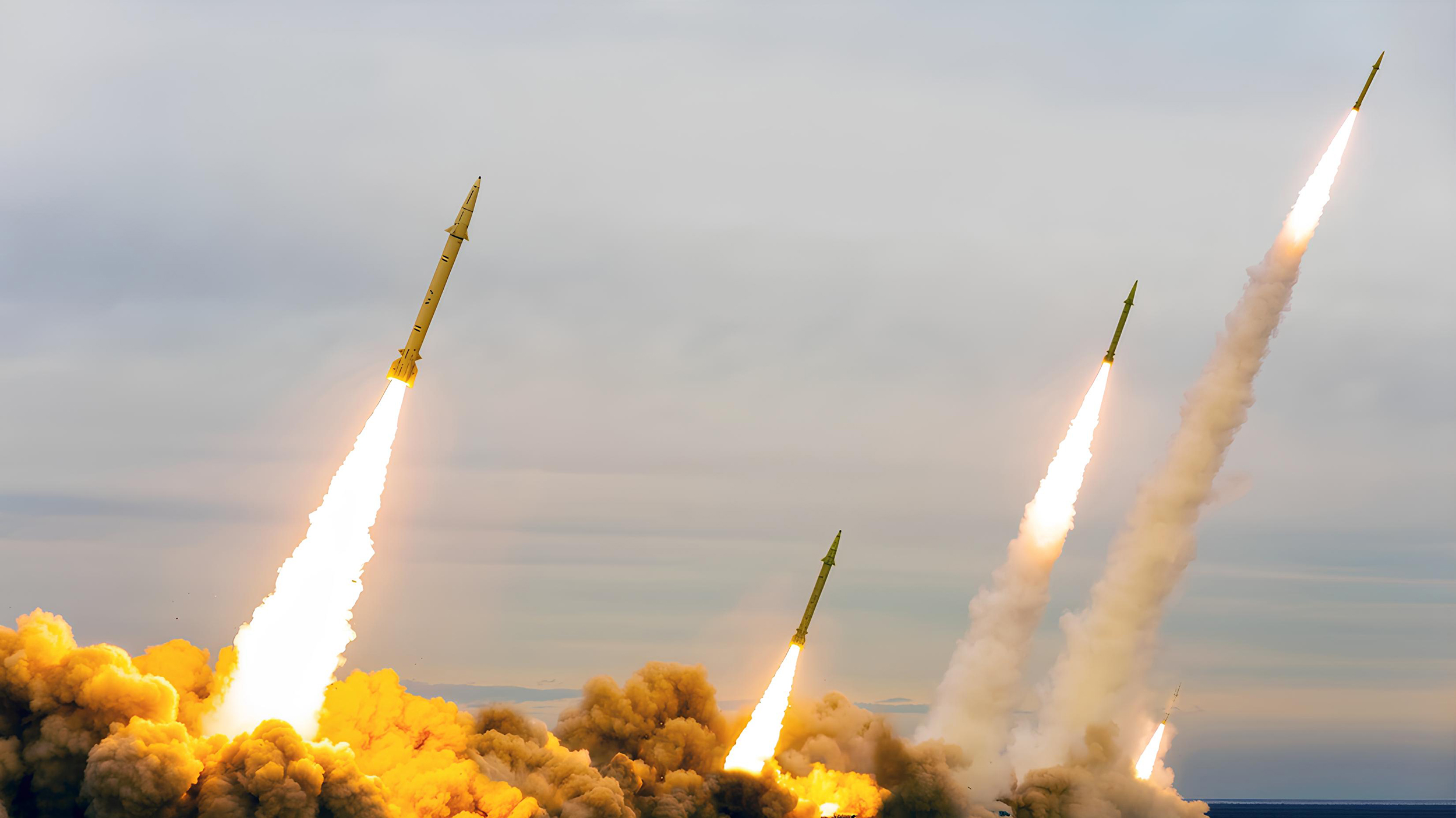
On the morning of Saturday, 28 February 2026, the United States, in coordination with Israel, commenced a military operation against the Islamic Republic of Iran. This offensive, launched immediately after the completion of US regional military deployment, was swiftly met with a substantial retaliatory strike by Iran’s Armed Forces against American military assets throughout the Middle East. The confrontation remains ongoing, with no clear outcome in sight. The central strategic question now is: how will this conflict ultimately be resolved?
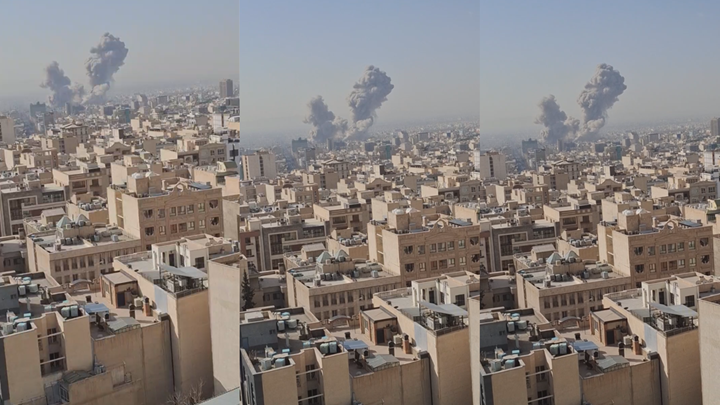
At approximately at 09:40 Iran Standard Time, a large plume of smoke rose above the Iranian capital. This initial blast, closely followed by a series of secondary explosions, occurred within the precinct of governmental offices. By 10:00, reports indicated nearly 30 separate detonations across the city.
The initial wave of coordinated US–Israeli strikes targeted key governance centres in Tehran rather than conventional military installations—a decision of clear strategic significance. In Iran, where Saturday marks the first working day of the week, senior officials are typically present in administrative and ministerial offices to set the agenda for the days ahead.
The initial assault wave comprised Tomahawk cruise missiles launched from US naval assets in the Mediterranean, supported by fighter aircraft. The strikes were calibrated to disrupt the governing apparatus through the targeted elimination of senior political and military leadership. Among the reported high-value targets were facilities associated with the Judiciary, the Ministry of Defence, the Ministry of Intelligence, the Presidency, as well as the primary residence and political office of Iran’s Supreme Leader, Ayatollah Ali Khamenei.
According to The New York Times, the CIA had obtained intelligence indicating that a plenary meeting of senior Iranian officials was scheduled to convene that Saturday morning within a central government complex in Tehran. Assessments suggested the presence of senior defence officials alongside other key decision-makers. The gathering was reportedly held within a compound housing the Presidency, the Supreme Leader’s Office and the Supreme National Security Council.
Consequently, US and Israeli commanders, having initially planned to launch the operation under cover of darkness, recalibrated the timing to exploit intelligence that Iran’s senior leadership would be gathered that Saturday morning. Approximately two hours after fighter aircraft were airborne—striking at roughly 09:40 Iran Standard Time—the coordinated long-range munitions impacted the targeted government compound.
Tehran’s apparent failure to enforce stringent security protocols reportedly resulted in the deaths of several senior officials during the joint Defence Council session. Among those identified were Major General Seyyed Abdolrahim Mousavi, Chief of Staff of the Armed Forces; Major General Mohammad Pakpour, Commander-in-Chief of the Islamic Revolutionary Guard Corps; Ali Shamkhani, Advisor to the Supreme Commander-in-Chief; and Defence Minister Aziz Nasirzadeh. Reports further indicated that Ayatollah Khamenei, along with several members of his family, was also martyred.
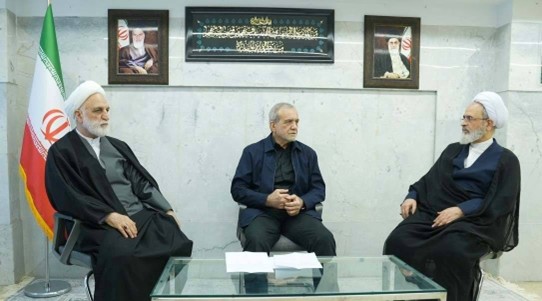
Despite the US expectation of structural collapse, Iran’s defensive military operations commenced immediately, and the political leadership continued to function. A key factor in preventing the paralysis of Tehran was the failure to eliminate the President and the Speaker of the Parliament. It is also notable that senior political and military officials had predesignated successors, ensuring continuity of command.
Governance in Tehran is proceeding along its established constitutional framework. At the highest level, Article 111 of the Iranian Constitution stipulates that in the event of the Supreme Leader’s death, resignation or dismissal, an interim council—comprising the President, the Head of the Judiciary and a representative of the Guardian Council—assumes temporary authority until a new Leader is selected.
Command Structure and Operational Autonomy
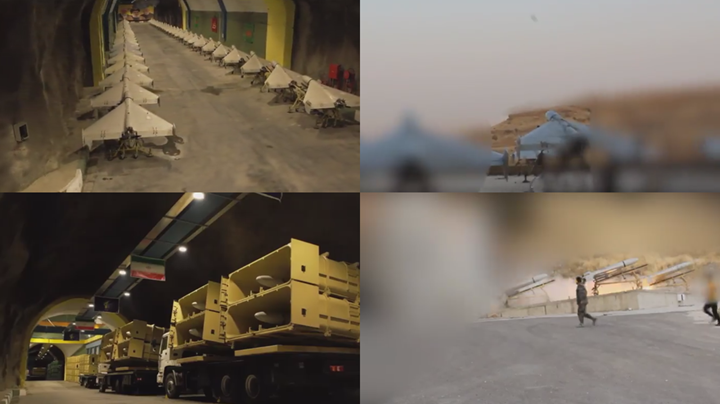
While the Iranian Armed Forces—comprising the Islamic Revolutionary Guard Corps (IRGC) and the Islamic Republic of Iran Army (Artesh)—retain a conventional hierarchical command structure, their operational posture has shifted significantly. In accordance with pre-established contingency plans, units are now operating on a regional and decentralised basis, engaging designated targets with considerable autonomy. The response has unfolded through a coordinated, multi-domain campaign integrating rocket artillery, ballistic and cruise missiles, loitering munitions (drones) and fighter aircraft. Notably, the scope of the strikes extends beyond Israeli targets to include US military installations across the Middle East.
The character of the US–Israeli offensive represents a marked departure from previous conflict paradigms. The campaign has extended beyond the suppression of air defences and the neutralisation of missile infrastructure to include naval bases, army garrisons, border command centres, police facilities and—most notably—state administrative buildings. The prioritisation of governance infrastructure in Tehran ahead of conventional military targets suggests a calculated strategic shift: the deliberate creation of a governance, security and command vacuum.
This approach diverges from earlier public justifications by US officials, which emphasised Tehran’s nuclear and ballistic missile programmes. The central strategic question therefore remains: how long can this operational tempo be sustained, and does time inherently favour the coalition?
Preliminary assessments point to an unprecedented intensity of fire. Within the first 24 hours of the conflict, the US–Israeli coalition reportedly expended approximately 2,250 air-delivered munitions—1,200 from Israeli assets and 1,050 from US assets.
The scale becomes clearer in comparative context. During last year’s 12-Day War, roughly 4,300 munitions were used against more than 1,000 targets—an average of approximately 360 per day. By contrast, the first 24 hours of the current campaign alone account for more than half (approximately 52 percent) of the total munitions expended during that twelve-day conflict, and represent nearly four times its previous daily average.
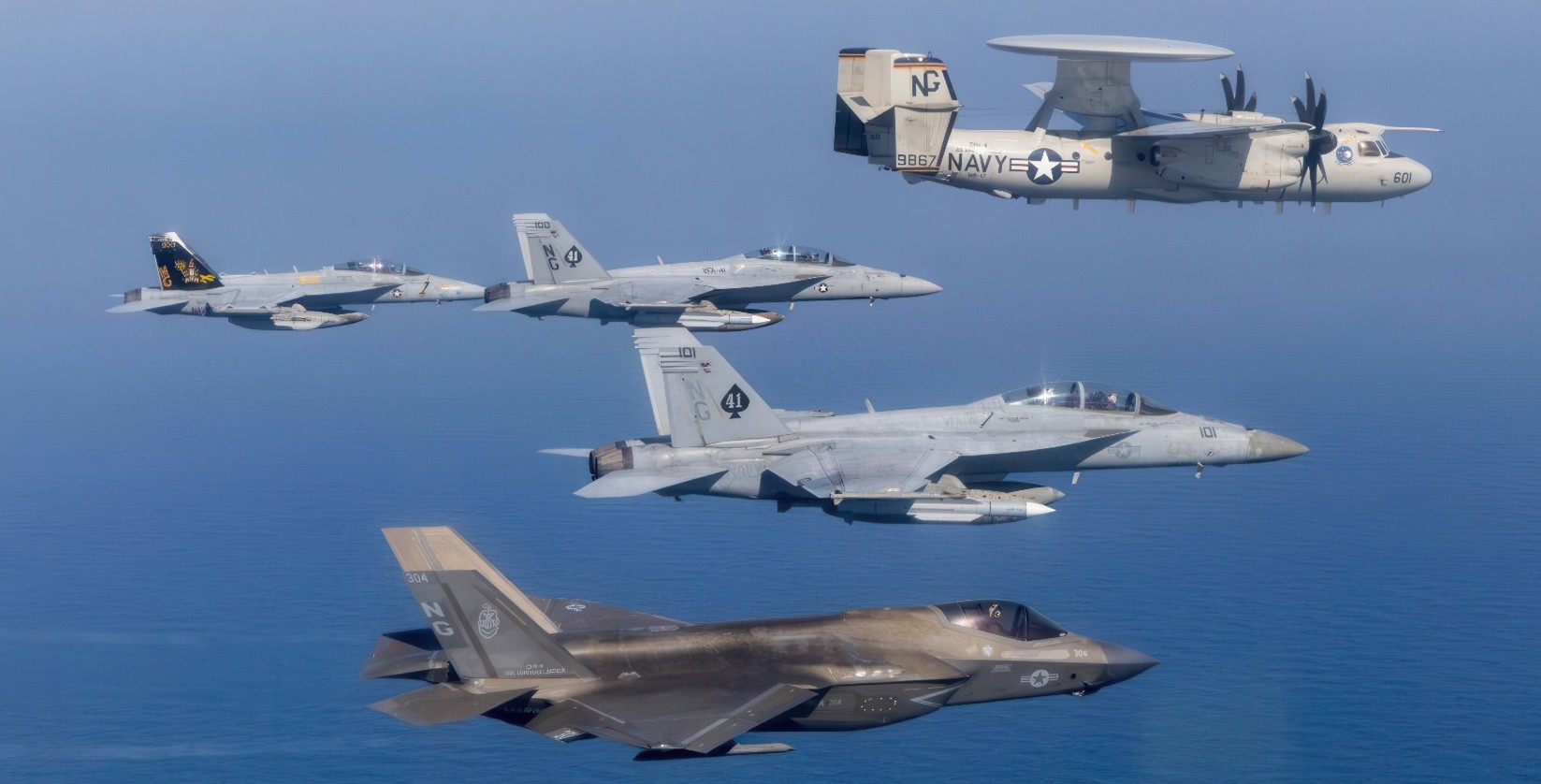
To sustain this volume of strikes, the number of US-Israeli aircraft deployed in the region has reportedly increased by more than 200 percent compared to the 12-Day War, reaching approximately 700 platforms. Such a concentration of airpower, however, demands large-scale operational coordination and substantial logistical support. While prepositioned assets and initial preparations may enable the coalition to maintain this tempo for up to two weeks, a protracted campaign would likely generate significant logistical strain on the US Air Force and Navy, with escalating financial and operational costs.
The US Navy currently deploys at least 14 Arleigh Burke–class guided-missile destroyers in the region, some operating independently and others assigned to escort the Abraham Lincoln and Gerald R. Ford carrier strike groups. Assuming a standard vertical launch system (VLS) configuration—carrying a mix of Standard surface-to-air missiles and Tomahawk land-attack cruise missiles, with an estimated 40 Tomahawks per destroyer—and factoring in at least one Ohio-class guided-missile submarine, the Navy’s available inventory of long-range cruise missiles likely exceeds 700. A substantial portion of this stockpile has reportedly already been expended.
Reconstituting the strike capacity of these platforms requires reloading VLS cells, a process that must generally be conducted in port. The rotational withdrawal of destroyers to secure deep-water facilities, such as Diego Garcia, would therefore introduce operational gaps of three to five days in a carrier strike group’s offensive output.
Moreover, sustained strikes against fixed infrastructure are likely to produce diminishing operational returns over time. Even the destruction of designated targets would not necessarily compel Iranian capitulation. Instead, Tehran may shift toward a lower-volume but persistent campaign of asymmetric drone and missile strikes, imposing cumulative risk and forcing the United States into progressively higher-exposure operational postures.
Decentralised Resistance and Asymmetric Capabilities
Iran appears to be pursuing a strategy calibrated to account for the relative strengths and weaknesses of its adversaries. A central component of this approach is the delegation of decision-making authority to operational units across the country. This decentralisation preserves continuity of resistance even in the event of severe decapitation strikes against senior leadership. At the same time, it complicates the adversary’s targeting process by reducing reliance on centralised command nodes.
The objective is not to maximise strike volume, but to sustain a resilient and enduring campaign of attrition.
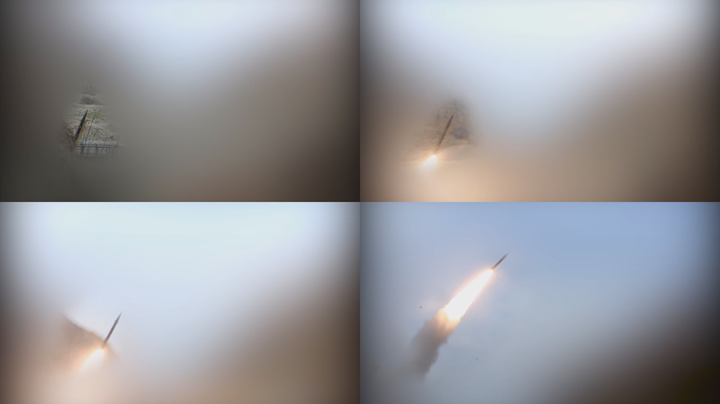
Within 48 hours, Tehran reportedly launched more than 1,500 projectiles against US and Israeli targets, framing the response as fulfilment of the Supreme Leader’s pledge to regionalise any military confrontation with Iran. The geographically dispersed nature of the strikes drew multiple states into the operational environment.
Reports indicate ballistic missile, cruise missile and loitering munition attacks against facilities in the United Arab Emirates, Kuwait, Qatar, Iraq, Saudi Arabia, Syria, Oman and Cyprus. Among the reported targets were the US Fifth Fleet headquarters in Bahrain, a US air base in Erbil, the Port of Salman in Bahrain, Al Salman Air Base in Kuwait, and the Port of Jebel Ali in Dubai.
The scale and complexity of these operations have already produced measurable US losses. According to official statements, three US F-15E Strike Eagle aircraft were destroyed in Kuwait in a friendly-fire incident amid a congested air defence environment. In addition, the AN/FPS-132 early-warning radar in Qatar—part of the United States’ global missile defence architecture—reportedly sustained significant damage. The Pentagon has confirmed at least four US military casualties.
Regional Energy Security and Economic Warfare
Conversely, Tehran appears to be preparing for a protracted campaign spanning several months. Its most consequential lever in this theatre is the potential disruption of the global energy market. Following the reopening of financial markets, Brent crude rose to approximately $80 per barrel, with further volatility likely. The IRGC Navy has imposed heightened transit controls in the Strait of Hormuz, leaving at least 150 vessels awaiting clearance. Visual evidence suggests that unauthorised vessels attempting transit have been targeted.
To date, there have been no confirmed direct strikes against major oil and gas infrastructure in Arab states; reported damage appears largely attributable to air defence debris. Tehran has publicly denied any intention to target Saudi energy facilities, while warning that attacks on its own energy infrastructure or efforts to enforce a naval blockade would trigger proportional retaliation. In response, several oil and gas firms in Saudi Arabia, Qatar and Kuwait have reportedly suspended or curtailed operations as a precaution, contributing to upward pressure on global energy markets, including rising natural gas prices in Europe. Continued instability—combined with airspace closures and rerouted commercial traffic—would likely intensify market strain. While Washington may seek to mitigate short-term price spikes through Venezuelan supply and existing tanker inventories, replacing the medium- to long-term export capacity of the Gulf would be exceedingly difficult.
The continuation of these hostilities threatens to inflate the financial overhead of military operations for the United States well beyond initial projections. The core issue is not a lack of US military capability, but rather that protracted conflict in the Middle East no longer aligns with long-term American national security priorities. This sentiment was notably echoed by Donald Trump during his initial presidential term, where he levelled trenchant criticisms against the Middle East policies of preceding US administrations. Such prolonged engagement risks exacerbating bipartisan political opposition in Washington while simultaneously degrading operational military readiness—capabilities analysts argue would be more optimally allocated to great-power competition with China. Key concerns for the US military centre on the finite inventories of Tomahawk cruise missiles, precision-guided air-launched munitions and anti-ballistic missile defence systems, all of which must be preserved to deter threats across Eastern Europe and East Asia.
US Operational Tempo vs. Iranian Strategy
Conflicting reports have emerged regarding alleged ceasefire requests initiated by the United States via intermediaries, even as American aerial strikes continue to concentrate on the Iranian capital to intensify pressure on the political leadership. Tehran has discerned a predictable pattern in current US behaviour: a preference for short, high-intensity kinetic campaigns followed by mid-cycle armistices. This cycle, potentially extending through the remainder of the incumbent presidential term and beyond, steers Iran toward a war of attrition intended to precipitate systemic collapse.
The US understands that failure to compel Tehran to negotiate and concede under military duress will necessitate entry into a campaign of indeterminate duration. Efforts to secure the participation of European and Arab allies, particularly Saudi Arabia, in an anti-Iran coalition are understandable within this framework. Given Israel’s insistence on regime change, achieving an agreement that incorporates all US preconditions—which effectively constitute a document of capitulation—remains the optimal outcome for Washington. To secure such a settlement, the US may escalate targeted assassinations and increase the intensity of strikes. However, time is working against this objective.
Internal Instability
The United States’ secondary contingency plan, should the aerial campaign fail to achieve its objectives, involves fomenting significant internal disorder within Iran over the next two years. The repeated aerial targeting of police facilities, border outposts, border guard units and ground force assets substantiates this objective. Disrupting internal and border monitoring capabilities is designed to create corridors for the activation of armed terrorist cells, particularly given the tangible presence of anti-Iranian separatist groups in the Kurdistan Region of Iraq and extremist factions along the Pakistan border.
The Optimal Calculus
In direct contrast to U.S. objectives, Tehran’s preferred outcome may be the prolongation of the conflict. Although Iran would likely incur substantial material and human costs, sustaining a limited but persistent engagement—even over a two-to-four-week period—could impose disproportionate political and economic pressure on Washington.
Financial strain on Arab states—including collateral damage in urban centres resulting from missile interceptions, degradation of shared military infrastructure such as joint-use airfields, and revenue losses across tourism, hospitality and aviation—may compound regional pressure on the United States. Over time, such cumulative costs could incentivise a reassessment of current American force posture.
From this perspective, any unilateral ceasefire proposal lacking clear and reciprocal commitments from all principal parties would carry limited strategic value. The conflict appears to have crossed thresholds that Iranian decision-makers may interpret as existential, reducing the likelihood of de-escalation absent tangible guarantees.
The Danger of Impasse
The situation would escalate significantly if neither side demonstrates flexibility. In response to Iran’s apparent strategy of attrition, the United States could increase its risk tolerance and strike intensity in an effort to alter the trajectory of the conflict. Such escalation might aim either to compel a rapid return to negotiations or to generate internal political pressure within Iran.
Potential pathways could include expanded strikes against dual-use facilities in major urban centres, including the capital and key provincial hubs; intensified targeting of senior political leadership; or, most consequentially, attacks on critical infrastructure such as power grids, industrial complexes, financial institutions and energy and refining facilities.