
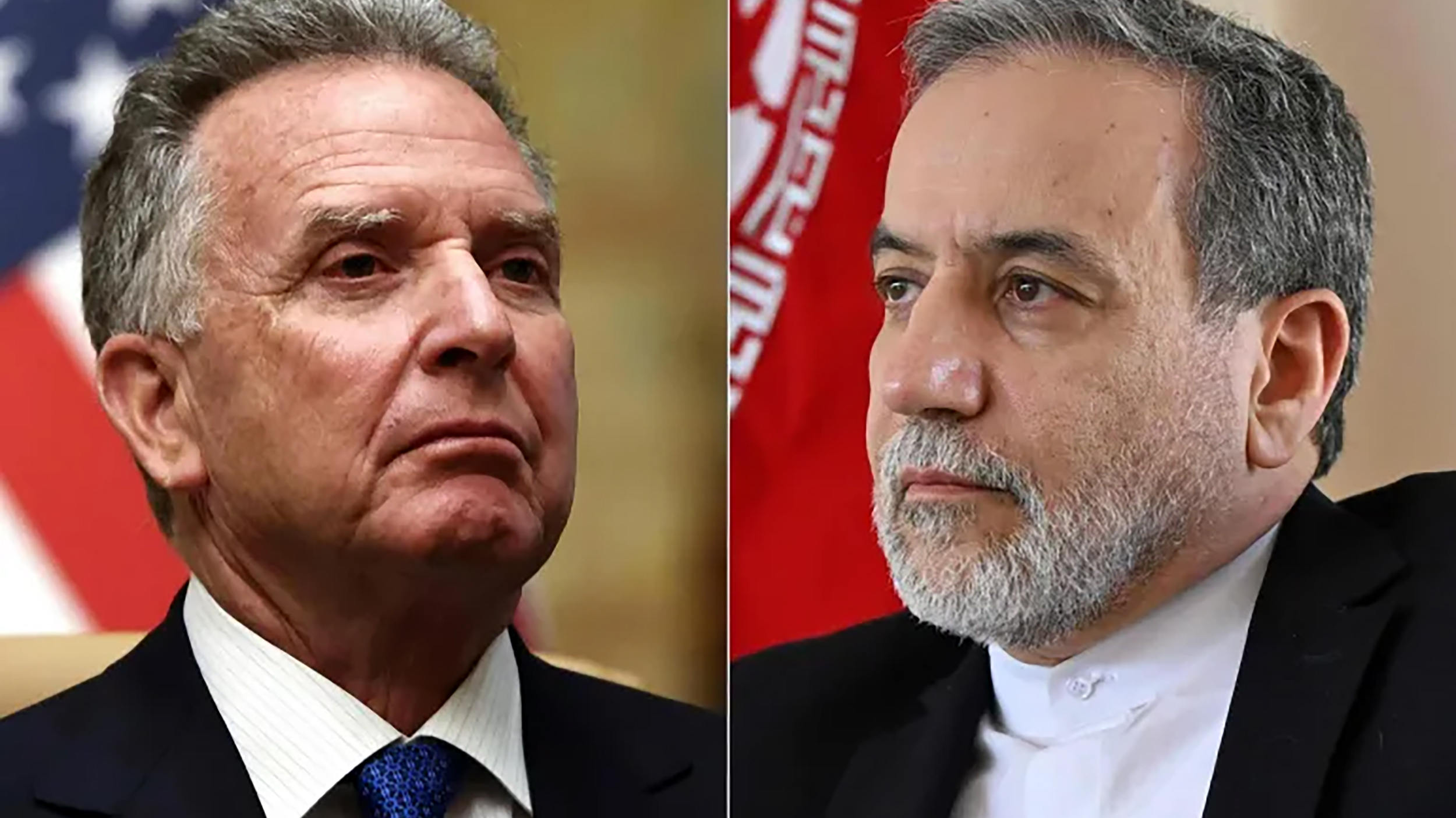
On 6 February 2026, Oman hosted indirect US-Iranian talks, described by Iranian Foreign Minister Abbas Araghchi and his Omani counterpart Badr bin Hamad Al Busaidi, as well as regional media, as constructive and conducted in a positive atmosphere. These discussions, however, were limited to two sessions and were not direct negotiations. US President Donald Trump commented belatedly, calling the talks “good” and noting that Iran appeared eager to reach an agreement, providing Washington with time for negotiation. Nevertheless, shortly before commenting, Trump had signed an executive order imposing tariffs on goods from countries still trading with Iran.
These talks marked the first negotiation round since the 12-day war on Iran in June 2025. While Israeli and US officials claimed the war had achieved all objectives and many expected the confrontation to end for the remainder of Trump’s term, tensions quickly resurged following nationwide protests against the Iranian regime in late December 2025 and early January 2026. In response to these demonstrations, Trump increased rhetoric against Tehran, citing both sympathy for protesters and the need to counter the Iranian government’s suppression efforts. Despite Iran eventually quelling the protests, the United States reinforced its military presence in the region and around Iranian waters.
Trump swiftly shifted from criticising Iran’s domestic repression to the nuclear dossier. He had previously withdrawn from the nuclear agreement established under the Obama administration and claimed that US strikes on Iranian nuclear sites in June 2025 had destroyed the programme entirely. Moreover, US officials suggested that American demands would include Iran’s missile programme and regional support for proxies in Yemen, Palestine and Lebanon—demands Iran rejects. Iranian National Security Council Secretary Ali Larijani stated unequivocally that Tehran would negotiate only on the nuclear issue.
By late January 2026, expectations of a US strike on Iran were high, as Tehran’s statements offered no signs of concession, and Trump had demonstrated limited willingness to back down, particularly after achieving objectives in Venezuela. Nevertheless, a more nuanced US assessment of Iran’s internal situation, combined with pressure from regional allies such as Turkey, Saudi Arabia and Qatar—who engaged intensively with both Tehran and Washington—persuaded the parties to explore negotiations, initially as a trial.
Although Turkey initially appeared poised to host the talks with observers from Turkey, Qatar and Saudi Arabia, Iran unexpectedly chose Oman as the venue, excluding other regional representatives. Tehran aimed to avoid giving Turkey mediation leverage or provoking additional demands from neighbouring states. Iranian leaks indicated this approach mirrored rejected negotiation frameworks, such as those related to Gaza.
The US objectives in the negotiations are extensive. Press reports indicate Washington demands the cessation of uranium enrichment and the transfer of 400–450 kilograms of highly enriched uranium, citing concerns over Iran’s potential nuclear weapon capability and destabilising regional effects. Mediators reportedly proposed compromise measures, allowing Iran limited enrichment up to 1.5 percent and transferring excess uranium to Turkey or Russia, which offered to handle enrichment for peaceful purposes. Unofficial discussions suggested American interest in gaining influence over Iran’s oil and gas sector and rare mineral exploitation, as well as restoring American economic engagement.
Prior to the Oman talks, U.S. negotiator Steve Witkoff met Israeli Prime Minister Benjamin Netanyahu on 2 February, signalling that US discussions would include Israeli concerns, particularly regarding Iran’s missile programme and regional influence. While Israel sought restrictions on missile range and quantities, there is no confirmation that the Trump administration fully endorsed these demands. A subsequent Trump-Netanyahu meeting on 11 February reportedly prioritised the nuclear issue for Washington, while Israel insisted on including strategic security concerns.
Iran approached negotiations from a weakened position relative to previous rounds, facing diminished regional influence—especially after the Assad regime’s fall in Syria, weakened allies in Palestine and Lebanon, and reduced leverage in Iraq and Yemen. Economic sanctions and financial pressures had precipitated severe domestic challenges, including currency collapse, inflation and public protests. Tehran recognised the limits of its military capacity against the United States, understanding that further confrontation could be catastrophic.
Consequently, Iran adopted a pragmatic approach, willing to make concessions on nuclear enrichment levels while maintaining core defense and sovereignty principles. Iran categorically rejects discussing its missile programme, viewing it as essential for national defence. Tehran also seeks to retain some regional presence, particularly in Iraq, Lebanon, Yemen and Palestine, potentially limiting involvement to humanitarian, cultural and religious spheres. Its primary goal is sanction relief to rebuild an economy severely affected by US and international measures. Any agreement would likely involve gradual easing of sanctions, reflecting deep US-Iran distrust.
The Oman talks focused on establishing a general framework for negotiations, without addressing detailed nuclear issues. Tehran indicated that transferring highly enriched uranium abroad was a “red line”, although it might accept reducing enrichment levels domestically. The possibility of including US-Iranian discussions on regional influence exists, with Iran seeking to maintain limited involvement while adhering to its red lines.
Ultimately, the ongoing US-Iran confrontation remains complex, with both sides weighing negotiation against the potential for renewed conflict. Achieving an agreement would require lowering the original demands of both parties. Should US negotiators fully adopt Israeli security concerns, a deal would be extremely difficult. Conversely, Iran might resist concessions perceived as undermining sovereignty or national defence, even if facing the threat of military escalation. The path forward is uncertain, balancing negotiation with the persistent risk of confrontation.
*This is a summary of a policy brief originally written in Arabic available here.