
The 11 November 2026 negotiations in Abu Dhabi between Russian and Ukrainian representatives, mediated by US envoys Steve Witkoff and Jared Kushner, were the first since February. Russia’s delegation head, Vladimir Medinsky, expressed hope for progress but questioned European involvement, claiming European states had offered no concrete peace proposals. Ukraine, meanwhile, insisted that Russia must stop fighting before discussions could address Europe’s future security. This exposed disagreement over whether a ceasefire and guarantees for Ukraine should precede wider negotiations.
After meeting President Vladimir Putin in Moscow, the American envoys said Russia had agreed to European participation in the next round. European officials viewed Moscow’s proposals as an attempt to weaken NATO by requiring Western forces and equipment to return to pre-1999 positions. They also accused Russia of trying to divide Europe and the alliance. The announcement of a US-Russia-China summit in Shenzhen on 19 November heightened European concerns that decisions about their security might be made without them, prompting warnings of a new Yalta.
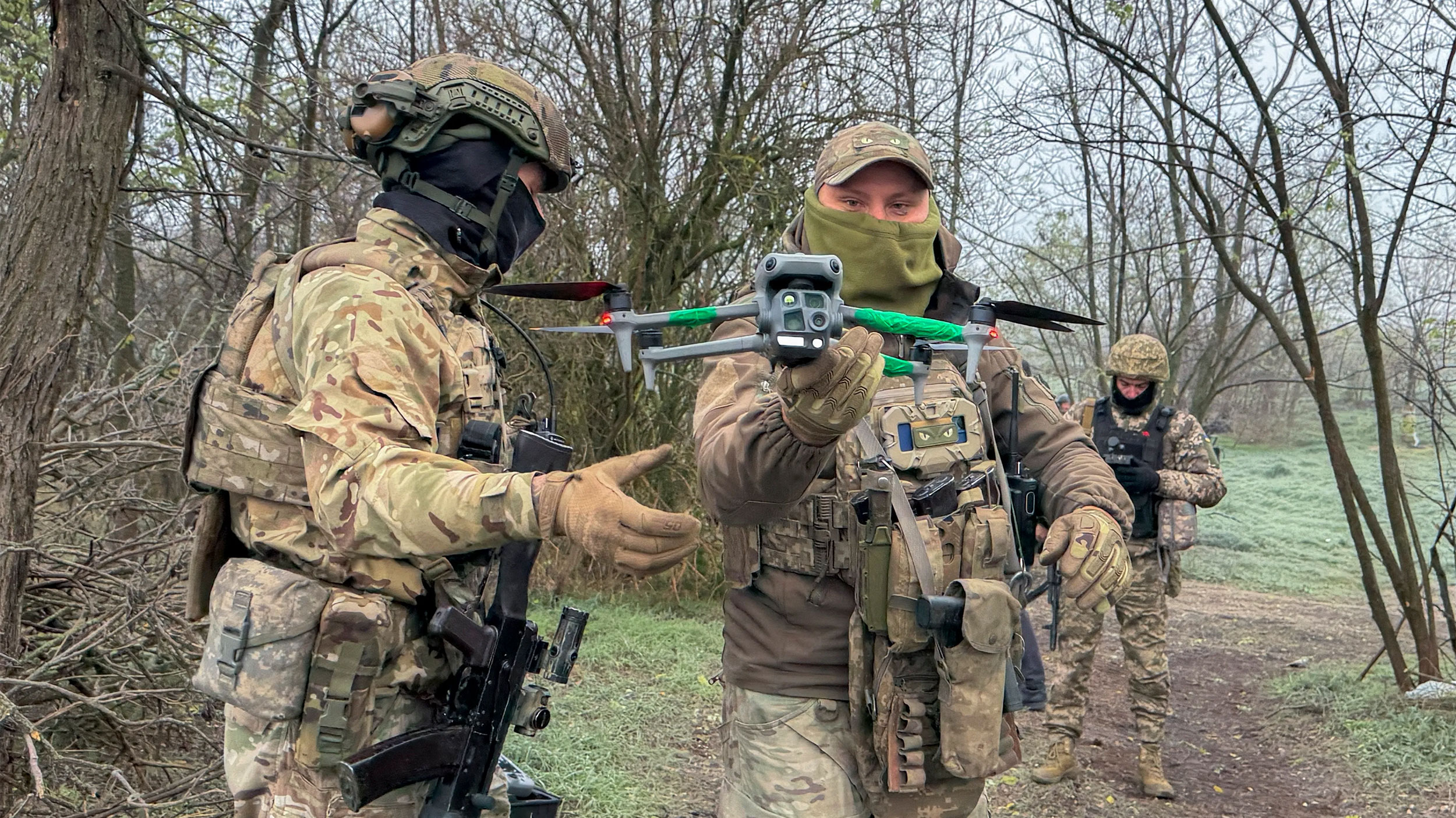
The talks came amid Russia’s February 2022 invasion. Moscow initially sought to capture Kyiv and overthrow President Zelensky, but failed. Russia later declared the annexation of parts of four Ukrainian regions without controlling all their territory. The conflict became a costly war of attrition, with Western assistance sustaining Ukrainian resistance. Ukrainian drones enabled strikes against Russian energy infrastructure and military targets deep inside Russia. Earlier negotiations, focused on ceasefires and prisoner exchanges, produced no substantial concessions or comprehensive settlement.
According to American and European sources, the war itself was secondary in Abu Dhabi. Russia prioritised a new European security order, which it considers the underlying cause of the conflict and a prerequisite for peace. It demanded restrictions on Western deployments in Eastern Europe, particularly Poland; a Russian role in regional security; an end to NATO enlargement, especially towards Ukraine; Ukrainian neutrality; and normalised economic relations with Europe.
Moscow argues that NATO’s eastward expansion has narrowed the strategic buffer between the alliance and Russia. It cites assurances allegedly made by Western leaders in 1990, including US Secretary of State James Baker, that NATO would not expand eastward. Russia therefore demands written commitments on a new European security framework, extending beyond Donbas to Ukrainian neutrality and a reduced NATO military presence in Eastern Europe.
Most European governments, particularly Britain, France, Germany, Poland and the Baltic states, reject this framework. They fear that accepting Russia’s framework would invite further demands and allow Moscow to rebuild its military through restored economic relations. They see the invasion as evidence of Russian expansionism and believe Russia must be deterred before a settlement.
Zelensky’s statements on 13 and 14 November 2026 suggested that Washington had explored territorial concessions in exchange for security guarantees. He described a proposed package of NATO and EU guarantees, a strong Ukrainian military and an internationally supported recovery plan. He also said US envoys had asked whether Ukraine would surrender Donbas in exchange for NATO membership. Although he rejected constitutional neutrality, his accounts appeared contradictory. His omission of Crimea suggested that its status might no longer be negotiable.
European leaders advanced a different approach. French President Emmanuel Macron called for greater European involvement, a central role for Ukraine in the continent’s security architecture and a multinational force deployed in Ukraine after a ceasefire, which Russia firmly opposes. British Prime Minister Andy Burnham accused Moscow of destabilising Europe and exploiting divisions.
The Shenzhen summit brought together the American, Russian and Chinese presidents for the first time. Its Declaration of Peace made no substantive commitments on Ukraine, Iran, nuclear disarmament or European security. It called instead for dialogue to reduce nuclear risks, increased petroleum supplies, UN reform and limits on the International Criminal Court’s authority. These positions appeared favourable to Russia, a major energy exporter whose president faces an ICC warrant. Putin’s subsequent threats over attacks on the Kerch Strait bridge suggested the fighting would continue.
Ultimately, Russia is not prepared to end the war without changes to Europe’s security order, Ukrainian neutrality and economic normalisation. Europe rejects Russian dominance but remains reluctant to replace the United States as its security guarantor. The Trump administration seeks a rapid settlement, possibly hoping to draw Russia towards Europe and weaken its partnership with China. Yet an early US withdrawal could destabilise the balance of power, while Putin is unlikely to abandon ties with Beijing.
A subsequent meeting of Ukraine’s allies in Berlin suggested some convergence. Kushner said Trump would not make a deal without Ukraine’s consent and had approved guarantees comparable to NATO protection, though not membership. European governments reportedly accepted negotiations based on current front lines and gradual sanctions relief if Russia declared a ceasefire and negotiated seriously. However, profound disagreements over Russian demands, Ukrainian guarantees and Europe’s future security order remain. A comprehensive settlement is still distant.
*This is a summary of a policy brief published in Arabic here.